

Band Teacher Newsletter: Supply Request Newsletter
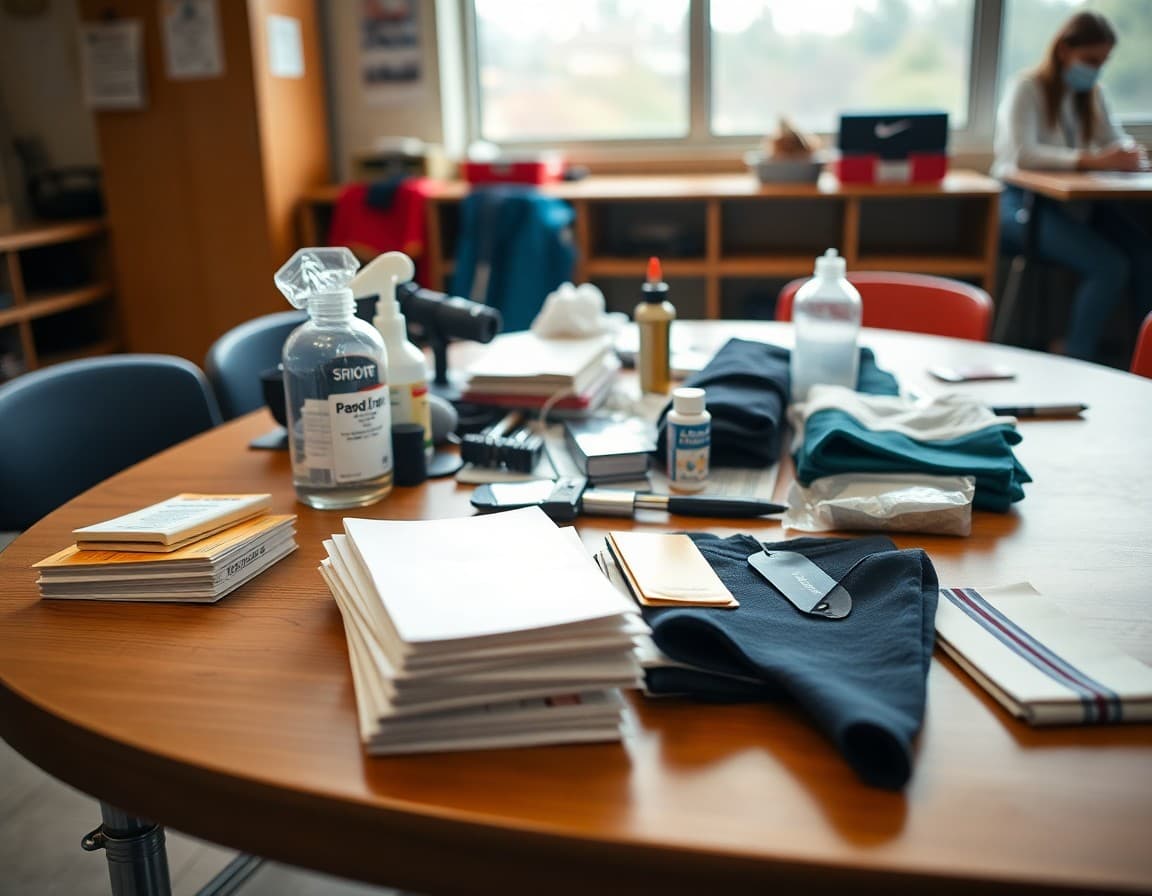
Band supply requests are more specific and more time-sensitive than most school supply requests. A reed of the wrong size or a valve oil brand that does not work with the instrument's material can set a student back in practice for days while a replacement is sourced. A clear, specific supply request newsletter prevents those problems by giving families exactly what they need to purchase the right items before they are urgently needed.
This guide covers how to organize a band supply request newsletter by instrument, how to explain each item clearly, and how to handle cost-sensitive requests without making families feel pressured.
Organize by instrument section rather than a single list
A brass player's supply list looks nothing like a woodwind player's. Families of clarinetists who read through three paragraphs about valve oil before finding reed information will stop reading before they get to what they need. Organize the supply request newsletter with clear headers for each instrument family so families can skip directly to their section.
Woodwind section: reeds and maintenance supplies
For clarinet players: Rico or D'Addario reeds, size 2 for beginners, size 2.5 after two months of consistent practice. A box of 10 reeds costs $12 to $18. Cork grease (small tube, $2 to $4 at any music store) is needed every few weeks to keep the joints from sticking. A pull-through swab in the correct size for your instrument ($4 to $8) is needed after every practice session to remove moisture.
For alto saxophone players: Rico or Vandoren reeds, size 1.5 to 2 for beginners. Swab for saxophone body ($6 to $10 at music stores). Neck strap for support during longer practice sessions; the school has extras but each student is encouraged to have their own.

Brass section: oils and slides
For trumpet players: Al Cass or Blue Juice valve oil ($3 to $5 at music stores). Valve oil needs to be applied before every practice session. Run a finger down the valve; if it feels dry, add two drops per valve. For trombone players: Slide-O-Mix slide cream and a spray water bottle ($5 to $8 combined). Slide maintenance takes 30 seconds before every session and prevents the kind of damage that makes the instrument need a repair visit. For baritone and euphonium: same valve oil as trumpet. For French horn: Rotax rotor oil (different from trumpet valve oil; the bottle will say 'rotor oil').
Concert attire requirements
State the all-black attire requirement clearly and specifically: solid black dress pants or long skirt (not jeans, not shorts), solid black dress shirt or blouse (no logos, no patterns), solid black closed-toe shoes (not sneakers), and no visible accessories. Include where families can find attire at low cost. "All-black concert clothing is typically available at thrift stores for under $15 total. The school's music department maintains a small lending closet with black dress shirts and skirts for students who need them. Contact me by November 1 if your student needs to borrow from the lending closet."
Home practice essentials
For any band student: a music stand for home practice (strongly recommended, $15 to $25 online) and a free metronome app for smartphone (Metronome Beats and Pro Metronome are both free). For students in apartments or shared homes: a practice mute reduces volume by 60 to 70 percent and allows practice at hours that would otherwise disturb neighbors. Brass practice mutes range from $15 to $40 depending on instrument. This is optional but worth noting.
Include a template excerpt families can reference
Here is a brief example from a band supply request newsletter:
"Before the first concert on November 20, every band student needs the following: (1) concert attire as described above, needed by November 13 at the latest; (2) instrument accessories as listed in your instrument's section of this newsletter; (3) a method book if your student does not already have one (Alfred's Premier Band Course Book 1 is available at Lakewood Music for $6). Students who need help with any of these items should email me at [email] by November 6."
Address financial access directly
Include a single sentence that removes the barrier for families who cannot purchase required items: "If purchasing any of the supplies listed above presents a challenge, please email me privately and I will make sure your student has what they need before the first concert." This sentence costs nothing and prevents the situation where a student performs without proper supplies because their family did not want to ask for help.
Close with a deadline and your contact information
End with the date by which all supplies are needed, a link to the local music store if applicable, and your email address. Families who know the deadline and how to reach you with questions will follow through far more consistently than families who receive an open-ended request.
Get one newsletter idea every week.
Free. For teachers. No spam.
Frequently asked questions
What supplies do band teachers typically request from families?
Requests vary by instrument but commonly include reeds for woodwind players (clarinet, oboe, bassoon, saxophone), valve oil and grease for brass players, rosin for string players if the program includes strings, a practice mute for brass students in apartments or shared living situations, a music stand for home practice, a metronome or tuner app, and all-black concert attire. For beginning band, a method book may also be a required purchase.
How do you explain reed requirements to families new to woodwind instruments?
Explain what a reed is, why it needs to be replaced, and how often. 'A reed is the thin piece of cane that vibrates to produce sound on a clarinet or saxophone. Reeds wear out with use and typically need to be replaced every two to four weeks for an active player. Reeds come in strengths numbered 1 through 4; your student is using a size 2 at the start of the year. A box of 10 reeds costs approximately $12 to $18 depending on brand. Rico and D'Addario are both good options for beginning players.' That paragraph answers every question a new family has about reeds.
How do you handle supply requests for expensive items like home music stands?
Frame it as strongly recommended rather than required, and give a price range and lower-cost alternatives. 'A home music stand allows your student to practice with their music in front of them rather than propped on a chair or memorized. A basic folding stand is approximately $15 to $25 online. Alternatively, your student can tape music to a bookshelf or use a tablet at eye level. The goal is having the music at reading level so your student does not develop the habit of looking down while playing.' The alternative legitimizes lower-budget solutions without making families feel shamed.
How far in advance should a band supply request newsletter be sent?
Send the initial supply list two to three weeks before school starts or before the material is needed. For concert attire specifically, send the reminder four to six weeks before the first concert. Families who need to order items online or visit a specialty store need time. A supply request that arrives one week before the concert is received as an accusation rather than a request.
How does Daystage help band directors send supply request newsletters?
Daystage lets you organize a supply request newsletter by instrument section, with prices and links to purchase options for each item. You can include an image of each item so families know exactly what to look for, and you can add a form or email link for families who need assistance sourcing supplies. The newsletter is easy to reference weeks after receiving it, which matters when families are shopping and need to double-check the reed size or oil brand.

Adi Ackerman
Author
Adi Ackerman is a former classroom teacher and curriculum writer with 8 years in K-8 schools. She writes about school communication, parent engagement, and what actually works in real classrooms.
More for Subject Teachers
Music Teacher Newsletter Guide: Keeping Families Connected to the Music Program
Subject Teachers · 7 min read
After-School Program Newsletter Guide: Keeping Families Engaged Beyond the School Day
Subject Teachers · 6 min read
Academic Support Teacher Newsletter: Communicating Intervention Services and Progress to Families
Subject Teachers · 6 min read
Ready to send your first newsletter?
3 newsletters free. No credit card. First one ready in under 5 minutes.
Get started free