
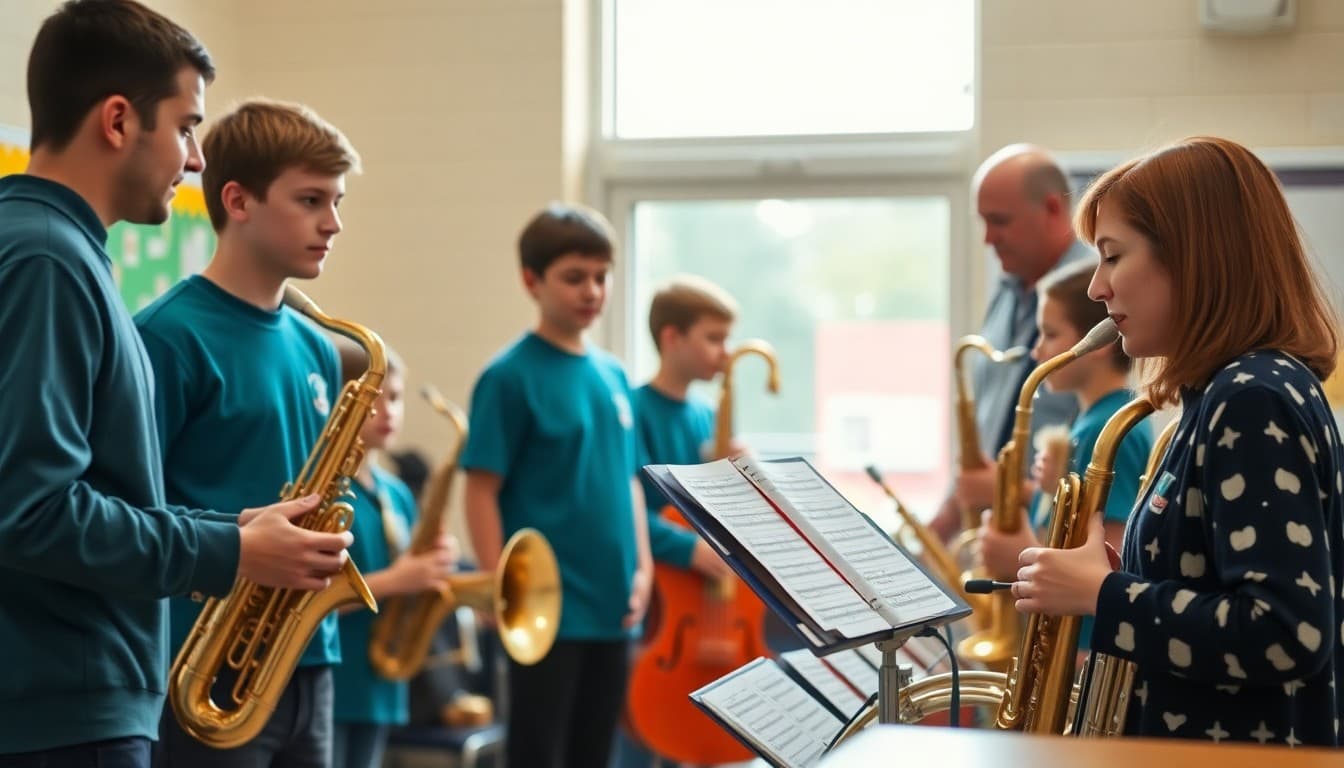
Band Teacher Newsletter: National Month Newsletter Ideas
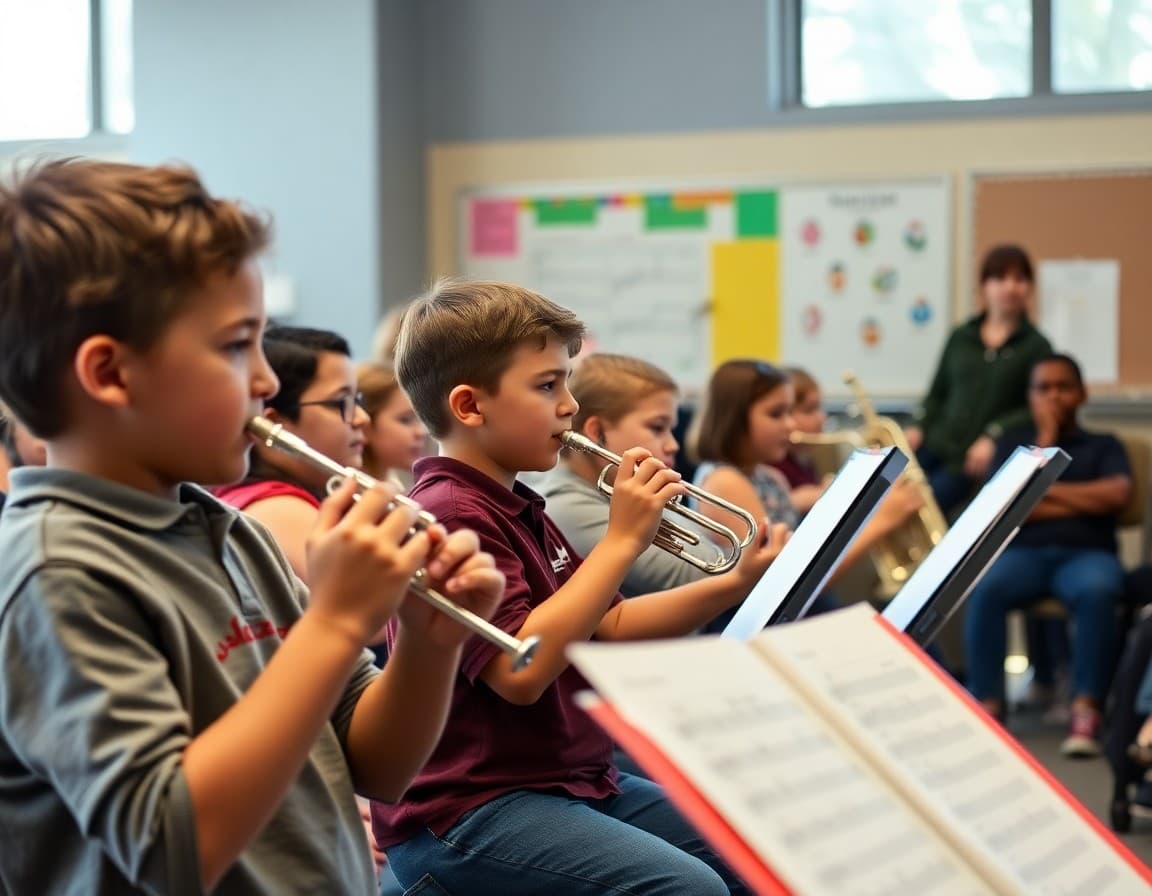
National awareness months give band directors a chance to send newsletters that celebrate music education rather than report on grades or logistics. Music In Our Schools Month, Jazz Appreciation Month, and related observances are opportunities to connect families to the tradition their students are learning, make the case for why instrumental music education matters, and build enthusiasm for the program's upcoming performances. A strong awareness month newsletter is both an advocacy document and a relationship-builder.
This guide covers the most important awareness months for band programs, what to put in each newsletter, and how to make them genuinely engaging rather than just ceremonial.
Music In Our Schools Month: March
Music In Our Schools Month (MIOSM) is organized annually by the National Association for Music Education. The theme changes each year, but the core message remains consistent: music education develops cognitive, emotional, and social skills that benefit students across every subject and throughout their lives. This month is also when NAfME's advocacy materials are most current and most accessible to teachers who want to share research with their communities.
A MIOSM newsletter for a band program should include one specific research finding about instrumental music education, a description of what students are currently rehearsing, and an invitation to the spring concert. "Students who play a band instrument for at least three years show measurably higher executive function scores than non-instrumental peers, according to research published in the Journal of Neuroscience. This is not because musically talented children are also good at executive function; it is because learning an instrument develops the same neural pathways that support planning, attention, and self-regulation. Your student is doing that work every day in rehearsal and every time they practice at home."
Jazz Appreciation Month: April
Jazz Appreciation Month was established by the Smithsonian Institution and is observed in April. For band directors, it is the most natural hook for programs that include jazz band, play jazz-influenced concert literature, or are studying jazz composers as part of their curriculum.
A Jazz Appreciation Month newsletter can feature a specific jazz composer whose work your program is studying. Duke Ellington's birthday is April 29, which makes late April ideal for a newsletter on his influence on American musical culture. Miles Davis's "Kind of Blue," recorded in 1959, is the best-selling jazz album of all time and a recording your students can listen to in a single sitting. Include a listening guide with one or two things to notice, such as how each musician's improvised solo sounds different from the others while staying connected to the same chord progression.

Black History Month: jazz and the African American musical tradition
February is an opportunity for band programs to explore the African American roots of jazz and its influence on the entire tradition of American popular music. The music students play in concert band, from march style to jazz-influenced concert literature, connects directly to composers like Scott Joplin, Duke Ellington, and Dizzy Gillespie.
A Black History Month newsletter can feature one composer per week, connecting their historical significance to something students are learning in the ensemble. "Scott Joplin composed 'Maple Leaf Rag' in 1899, and the syncopated rhythms in that piece are the direct ancestor of the jazz feel we work on in our Wind Ensemble's concert opener this fall. Joplin was one of the first Black composers to have his work published and distributed commercially, which changed what American audiences expected from music."
Veterans Day: patriotic and march literature in November
If your band program performs march literature, Veterans Day in November is a natural hook for a newsletter that connects that repertoire to its historical context. "We are performing 'Semper Fidelis' by John Philip Sousa at our fall concert. Sousa composed 221 marches, including the current march of the United States Marine Corps. His music was performed at military ceremonies and public events across the country at a time when bands were the primary form of public musical entertainment. When we play Sousa, we are performing music that American audiences recognized immediately for over a century."
Include a family listening activity for each awareness month
Every awareness month newsletter should end with one specific thing families can do together. For MIOSM: attend the spring concert as a family and arrive 15 minutes early to hear the ensemble warm up, which gives a different perspective on how an ensemble functions than a polished concert performance. For Jazz Appreciation Month: listen to one song from Miles Davis's "Kind of Blue" and ask your student to explain what is happening in the music. For Black History Month: watch the 2016 documentary "Miles Davis: Birth of the Cool" on Netflix with your student.
Connect the awareness content to your upcoming performance
If your spring or fall concert connects to the month's theme, name that connection explicitly. "Our spring concert on May 21 includes a Scott Joplin ragtime arrangement that ties directly into what we have been exploring during Jazz Appreciation Month. Families who listen to 'The Entertainer' before the concert will hear the connection between Joplin's ragtime rhythm and the jazz feel in the ensemble's other spring pieces." Connecting awareness content to your own program builds concert anticipation while honoring the tradition that produced the music.
Share a brief template for a Music In Our Schools Month newsletter
Here is a short excerpt:
"March is Music In Our Schools Month, and I want to share what we are working on in the Concert Band this month. Students are finishing their preparation for the spring concert on May 21. The program includes three pieces: a traditional march, a jazz-influenced concert band work, and a programmatic piece inspired by a natural landscape. We are also listening to recordings of each piece performed by professional ensembles and discussing what the professional group does that we want to bring into our own performance. If you would like a preview of the repertoire, search the titles at [link] on YouTube and listen with your student this week."
Close with concert dates and your contact information
End every awareness month newsletter with the upcoming concert date, ticket information, and your email. Awareness content generates goodwill and engagement, and ending with concert information channels that goodwill into attendance.
Get one newsletter idea every week.
Free. For teachers. No spam.
Frequently asked questions
Which national months are most relevant for band directors?
Music In Our Schools Month (MIOSM) in March is the most important national observance for instrumental music teachers and is organized by the National Association for Music Education. Jazz Appreciation Month in April is ideal for jazz band directors and for concert band programs that perform jazz-influenced literature. Black History Month in February connects strongly to the history of jazz and African American composers like Duke Ellington, Thelonious Monk, and Scott Joplin. Veterans Day in November is a natural hook for programs that perform patriotic or military march literature.
How do you make a Music In Our Schools Month newsletter feel meaningful rather than generic?
Tie it to something specific happening in your class during March and to a concrete fact about music education research that families have not heard before. 'Students who study an instrument through at least two years of instruction demonstrate measurably stronger fine motor coordination, working memory, and reading comprehension than non-musicians. This month, your student is one of the students building those skills every day. Here is what they are currently working on in rehearsal.' A newsletter grounded in classroom activity and specific research is worth reading.
How do you engage families in Jazz Appreciation Month who are unfamiliar with the genre?
Give them a specific entry point. Name three albums or recordings that are genuinely enjoyable for new listeners, not just musicians. Miles Davis's 'Kind of Blue,' Dave Brubeck's 'Time Out,' and anything by Louis Armstrong are all approachable starting points. Suggest a 20-minute listening session with their student: 'Ask your student to explain what makes jazz different from the concert band music they play. If they can describe improvisation, swing feel, or the rhythm section's role, they understand jazz at the level we have been discussing in class.'
Should a band director feature student work in a national month newsletter?
Yes. A brief description of what students are performing or learning during the awareness month, without naming individual students without permission, is the most effective content in any awareness newsletter. 'This month, the Concert Band is learning a Scott Joplin ragtime arrangement as part of Jazz Appreciation Month. Joplin was one of the first composers to have his music published commercially, and his syncopated rhythms in pieces like 'The Entertainer' directly influenced the jazz and rock that followed.' Connecting the awareness content to active classroom work makes it relevant rather than ceremonial.
How does Daystage help band directors create national month newsletters?
Daystage makes it easy to include performance photos, links to recommended recordings on YouTube or Spotify, and a description of classroom activities all in a single newsletter that looks organized and professional. For a Music In Our Schools Month newsletter that you plan to share with school administration, the polished format of a Daystage newsletter is more appropriate than a plain email.

Adi Ackerman
Author
Adi Ackerman is a former classroom teacher and curriculum writer with 8 years in K-8 schools. She writes about school communication, parent engagement, and what actually works in real classrooms.
More for Subject Teachers
Music Teacher Newsletter Guide: Keeping Families Connected to the Music Program
Subject Teachers · 7 min read
After-School Program Newsletter Guide: Keeping Families Engaged Beyond the School Day
Subject Teachers · 6 min read
Academic Support Teacher Newsletter: Communicating Intervention Services and Progress to Families
Subject Teachers · 6 min read
Ready to send your first newsletter?
3 newsletters free. No credit card. First one ready in under 5 minutes.
Get started free