
Band Teacher Newsletter: Club and Activity Newsletter
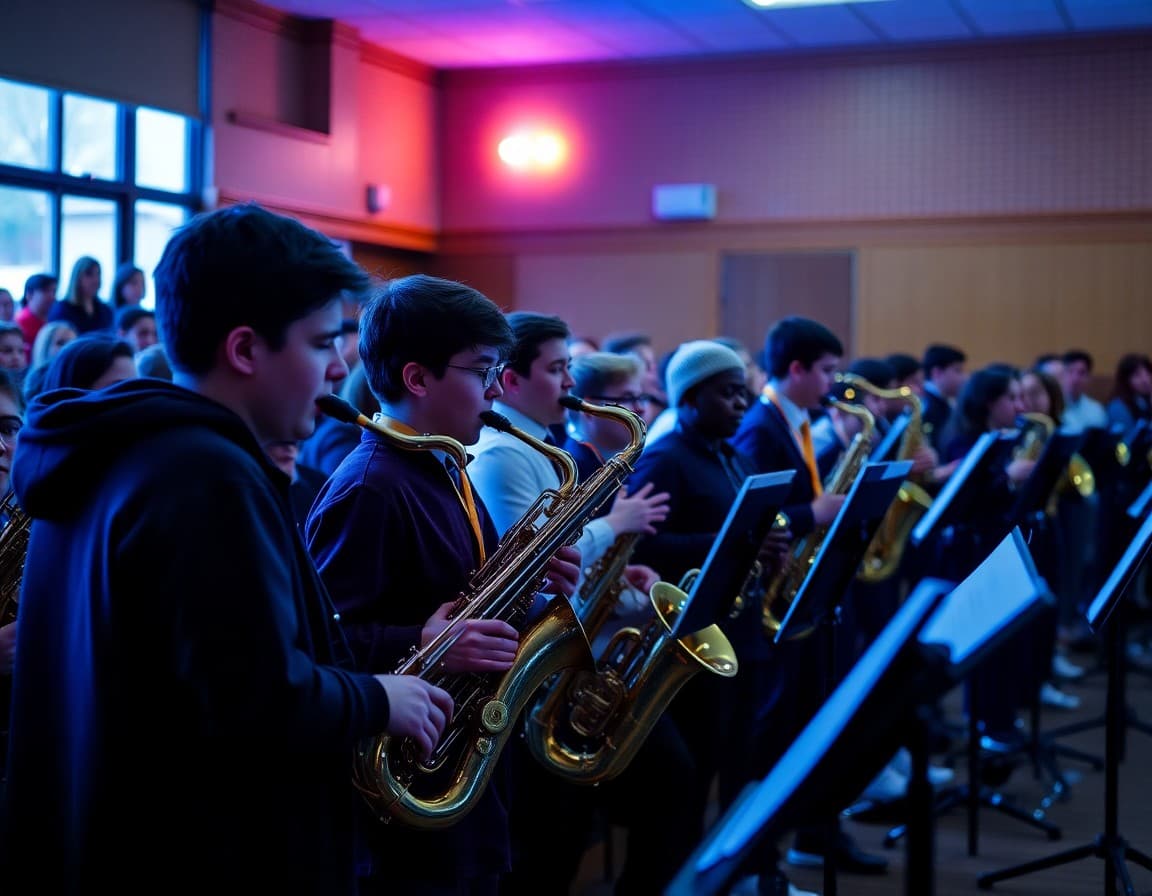
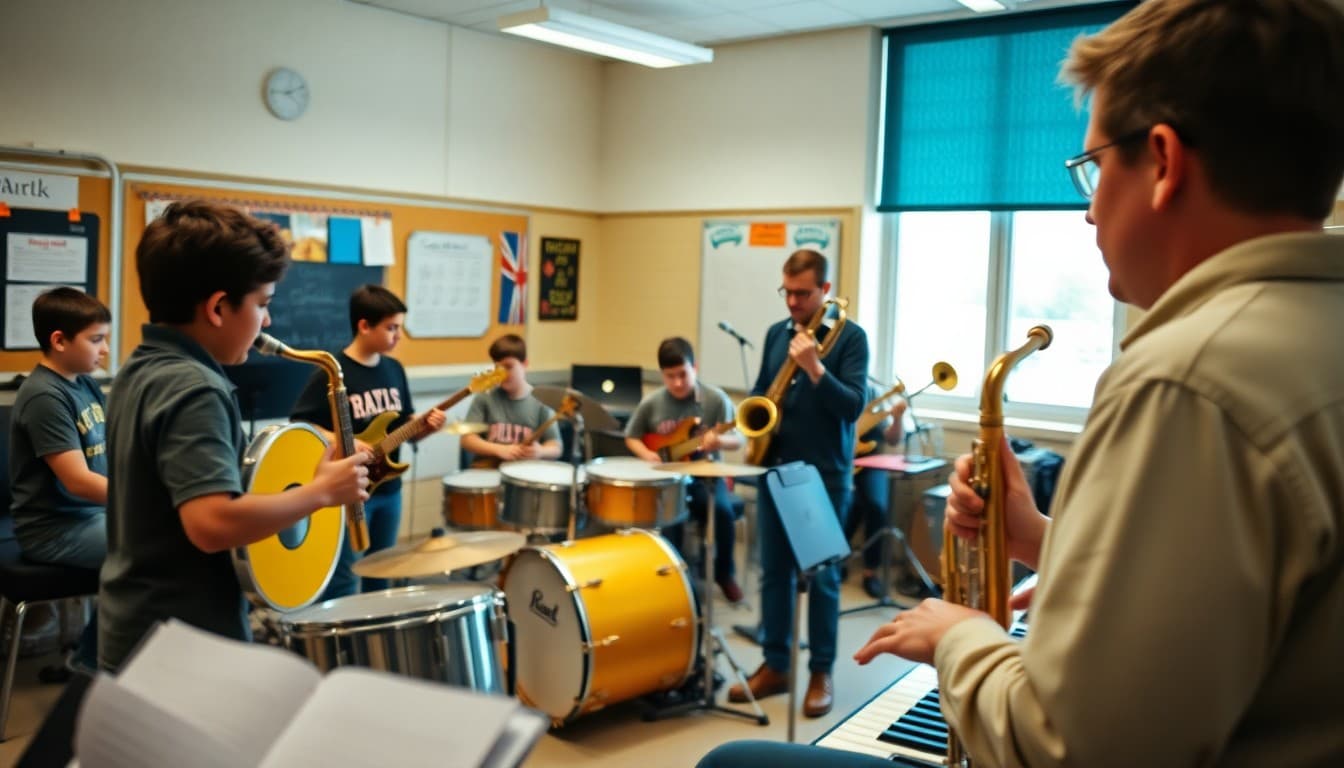
Band extracurriculars, whether jazz band, pep band, marching band, or chamber ensemble, require a newsletter that does more work than a typical club announcement. The time commitment is larger, the schedule is more complex, and the audition process needs to feel transparent and fair to avoid post-casting conflict. A clear, specific extracurricular newsletter recruits the right students, sets accurate expectations, and prevents the mid-season surprises that cause families to withdraw their student at the worst possible time.
This guide covers how to write a band extracurricular newsletter that works for jazz band, pep band, or marching band, and what each of those groups requires in terms of specific communication.
Open with what the group performs and why students join it
Lead with the repertoire and the performance context, not a mission statement. For jazz band: "The Westfield Jazz Ensemble performs a 90-minute concert in May featuring original arrangements of Miles Davis, Thelonious Monk, and contemporary jazz composers including Maria Schneider. Students also play shorter sets at the school winter showcase in December and at the district jazz festival in March." For pep band: "The Pep Band plays at all home basketball games, approximately 12 games from November through February, and at the state championship tournament if our teams qualify." Specific performances are what students and families evaluate when deciding whether to commit.
Describe the audition process in detail
Remove all ambiguity from the audition process. Name what students will be asked to play, how long the audition takes, who makes the decision, and when and how results are communicated. "Jazz band auditions are 15 minutes per student. Students will play: a prepared melody of their choice (approximately 60 seconds), the Bb and F major scales from memory, and a short rhythmic reading passage provided at the audition. Results will be posted on the music room door and emailed to all students who auditioned by September 17."

Give families the full schedule with no omissions
Every rehearsal, performance, and competitive event should be listed in the first newsletter. For marching band in particular, the preseason band camp, the weekly game schedule, and the competition travel schedule all need to be communicated before families let their student commit. "Marching Band 2026-27 Schedule: Band Camp: August 4 to 8, 9 AM to 4 PM, required for all members. Fall Season Rehearsals: Tuesdays and Thursdays from 3:30 to 6:00 PM and Saturdays from 9 AM to noon, August 20 through November 1. Home Game Performances: September 5, 12, 19, 26, October 3, 17, 24. Regional Competition: October 11 at Lincoln High School, depart 1:00 PM, return approximately 9:00 PM."
Address the experience level and prerequisite question
State what level of experience is required. For pep band: "Students must be enrolled in Concert Band or Wind Ensemble. No additional audition is required for pep band; I will draw from current band members based on instrumentation needs." For jazz band: "Students must be enrolled in the Concert Band or Wind Ensemble program and must audition. Prior jazz experience is helpful but not required. Students who know their scales, can read rhythms fluently, and are willing to work on improvisation are strong candidates."
Explain costs and equipment clearly
Name any fees, uniform requirements, or equipment needed for the extracurricular group that are beyond the regular band program. For marching band: uniform rental or purchase, marching shoes (Dinkles or similar, $25 to $40), and any equipment required for the show theme (flags, rifles for color guard, etc.). State the total estimated cost range so families can plan before committing. Include the payment deadline and any financial assistance options.
Tell families what the rehearsal commitment looks like week to week
Give families a realistic picture of a typical week during the season. "During the regular season, jazz band rehearsal is Wednesday from 3:15 to 5:00 PM. In the three weeks before the spring concert, we add a Monday session from 3:15 to 5:00 PM. Total weekly time commitment during the regular season is approximately two hours per week plus independent practice time at home." Families who understand the realistic weekly commitment are less likely to feel surprised when the schedule intensifies.
Include a brief template excerpt from a jazz band newsletter
Here is a short example:
"The Westfield Jazz Ensemble is auditioning for the 2026-27 season. We are a 17-piece ensemble that performs two major concerts per year and competes at the district jazz festival in March. Auditions are September 15 and 16 from 3:15 to 5:00 PM in Room 112. Sign up for a 15-minute audition slot at [link]. Students must be currently enrolled in Concert Band or Wind Ensemble. Contact me at [email] with any questions before the audition."
Close with a sign-up link and your contact information
End with a single clear action: sign up for an audition slot or email you with questions by a specific date. Include your email address and your expected response time. Extracurricular newsletters that close with a clear next step produce more sign-ups than newsletters that describe the group in general terms without telling families what to do next.
Get one newsletter idea every week.
Free. For teachers. No spam.
Frequently asked questions
What should a jazz band or pep band extracurricular newsletter include?
Lead with what the group actually does: the performances they play, the repertoire they cover, and the competitive or community events they participate in. Name the audition requirements, the meeting schedule, the performance calendar, and any costs. For jazz band, note the style of jazz being performed and whether improvisation is required. For pep band, note which sports events are covered and what the attendance expectations are.
How do you explain jazz improvisation requirements to families of students who have never done it?
Explain it in practical terms. 'Improvisation in jazz means creating a melody on the spot over a chord pattern that the rhythm section is playing. Students are not expected to improvise freely on day one. We learn improvisation through a structured process: scales and patterns, call and response exercises, and then short solo sections over familiar chord patterns. Students who have never improvised before but who know their scales well and are willing to try are fully capable of developing improvisation skills in jazz band.' This framing removes the fear that improvisation is only for the naturally gifted.
What makes a marching band family communication especially important?
Marching band has the largest time commitment and the most complex logistics of any band extracurricular. Families need to know about summer band camp, preseason practices, game night schedules, travel for competitions, uniform requirements, and equipment costs well in advance. A family that commits to marching band without understanding the full scope of the commitment often becomes a source of conflict when a game night or competition conflicts with a family event they could not have anticipated.
How do you handle the audition process for jazz band in a newsletter?
Be transparent about what is assessed and what the selection criteria are. 'Jazz band auditions consist of a prepared melody on the student's primary instrument, a technical demonstration of their concert Bb major and minor scales, and a short rhythmic reading exercise. Auditions are evaluated on tone quality, technical facility, rhythmic feel, and readiness to work in a small-group setting. I am looking for students who are prepared, curious, and willing to work hard, not necessarily the highest technical player in the concert band.' Setting that expectation prevents auditions from feeling like a competition the best player always wins.
How does Daystage help band directors promote extracurricular groups?
Daystage lets you send a visually organized extracurricular newsletter with the performance schedule, audition process, and sign-up link all in one place. Including photos or videos from past jazz band or pep band performances makes the newsletter far more compelling than a text-only audition announcement. Families who can see what the group sounds and looks like in performance are more likely to encourage their student to audition.

Adi Ackerman
Author
Adi Ackerman is a former classroom teacher and curriculum writer with 8 years in K-8 schools. She writes about school communication, parent engagement, and what actually works in real classrooms.
More for Subject Teachers
Music Teacher Newsletter Guide: Keeping Families Connected to the Music Program
Subject Teachers · 7 min read
After-School Program Newsletter Guide: Keeping Families Engaged Beyond the School Day
Subject Teachers · 6 min read
Academic Support Teacher Newsletter: Communicating Intervention Services and Progress to Families
Subject Teachers · 6 min read
Ready to send your first newsletter?
3 newsletters free. No credit card. First one ready in under 5 minutes.
Get started free