

STEM Literacy Education Newsletter: Reading About Science
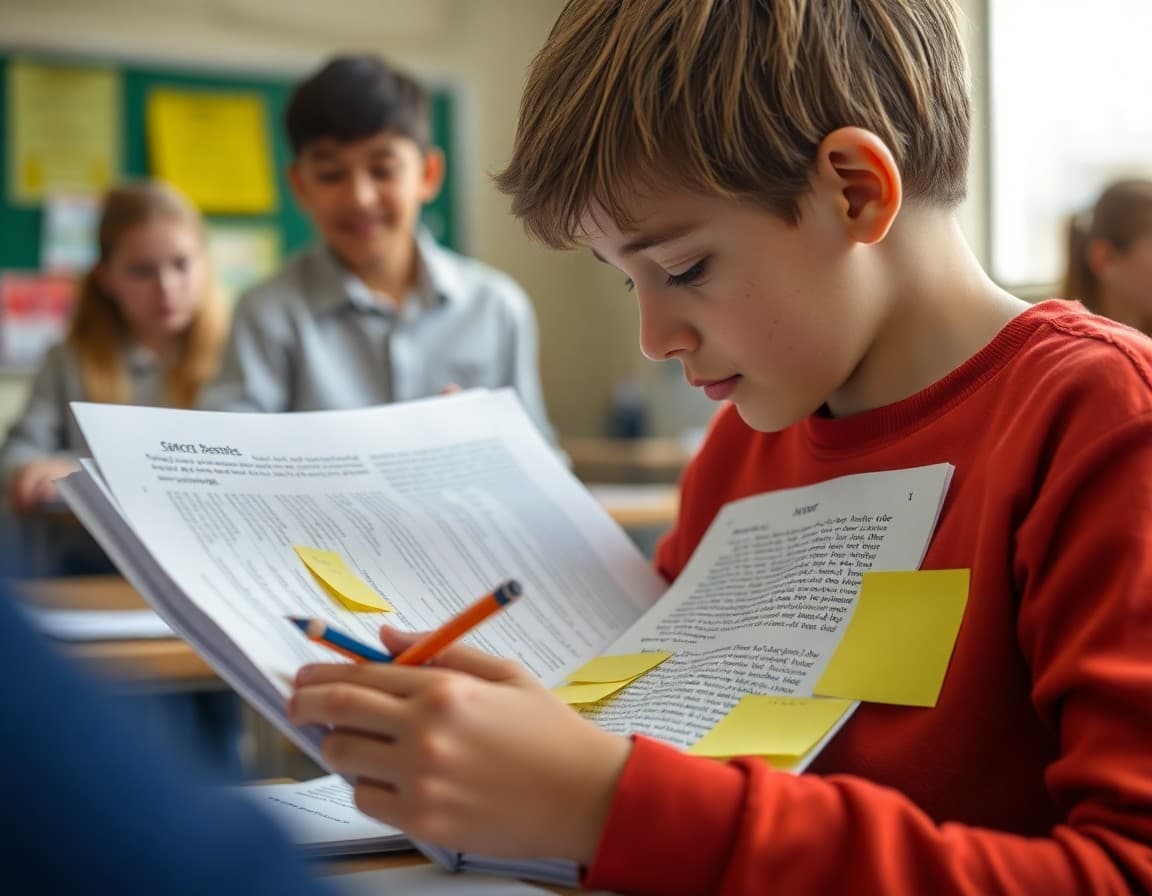
Science class is not just about experiments and lab reports. For students to think like scientists, they need to read like scientists. That means engaging with nonfiction texts, evaluating evidence, and understanding how scientific arguments are built and challenged. STEM literacy is the bridge between what students know and what they can do with that knowledge.
What STEM literacy actually means in the classroom
STEM literacy is not a separate subject. It is woven into science and math instruction through the texts students read, the questions they answer, and the writing they produce. A student who can read a primary source article about climate data, identify the claim the researchers are making, and evaluate the evidence they cite is demonstrating STEM literacy. That skill transfers to every science topic they will encounter in secondary school and beyond.
Close reading in science: how it works
Close reading asks students to read a short text more than once, each time with a specific focus. The first read is for general understanding. What is this text about? The second read focuses on vocabulary and text structure. The third focuses on evidence and the author's argument. This three-pass approach helps students slow down and extract meaning from dense scientific writing rather than skimming past the parts that are hard.
Most science textbooks are written at a level that assumes strong reading skills. Close reading gives students a process for handling that difficulty systematically rather than giving up.
Annotation as a science reading habit
Teaching students to annotate science texts builds independence. Students learn to mark vocabulary they do not recognize, circle evidence that supports a claim, put question marks next to parts they do not understand, and write short summaries in the margins. Over time, annotation becomes a habit that students apply without being told to. That is the goal: a student who picks up a science article and automatically starts engaging with it critically.
Text structure in scientific writing
Scientific writing is organized differently than stories. Common structures include cause and effect, problem and solution, compare and contrast, and sequence. Teaching students to recognize these structures helps them predict how an article is organized and find the information they need. A student who knows that a science article about climate change is organized as a cause-and-effect structure can navigate it more efficiently than a student who reads every word from start to finish.
Choosing the right science texts for your students
The best science reading instruction uses a mix of text types. Trade books provide depth. Science news articles provide currency. Primary source excerpts provide authentic scientific voice. Infographics and data visualizations build graph literacy. Each type makes different demands on readers, and students benefit from exposure to all of them throughout the school year.
Resources like Newsela, Science News for Students, and the NASA science website offer free, teacher-accessible science reading at multiple levels. These are worth bookmarking and sharing with families.
Template: science literacy newsletter excerpt
"This month in science class we are working on reading scientific arguments. Students are using a three-pass close reading strategy with articles from Science News for Students. This week's article is about ocean acidification and its effect on coral reefs. Students annotate as they read and then write a three-sentence claim-evidence-reasoning response. If you want to read the same article at home, search for it at SNStudents.org. Talking about the science together is a great way to reinforce what we are doing in class."
How to communicate science reading progress to families
Families often do not realize that science class involves significant reading instruction. A newsletter that names the strategy being used, explains why it matters, and gives families a way to reinforce it at home changes that. Even one sentence per newsletter that connects science class to literacy can shift how families understand and support the subject.
Daystage makes it easy to build a semester communication cadence that includes both lab updates and literacy focus areas so families see the full picture of what science learning looks like in your classroom.
Get one newsletter idea every week.
Free. For teachers. No spam.
Frequently asked questions
What is STEM literacy and why does it matter for K-12 students?
STEM literacy is the ability to read, interpret, and evaluate science and math texts. Students who can read a scientific article critically are better prepared for advanced coursework, standardized testing, and careers in technical fields. It is not just about knowing science facts. It is about understanding how scientific arguments are structured and evaluated.
How do teachers teach nonfiction reading in STEM classes?
Common strategies include close reading, where students read a short text multiple times with different purposes each pass. Annotation teaches students to mark evidence, questions, and vocabulary. Text structure analysis teaches students how scientific writing is organized differently than narrative writing. These strategies build habits that transfer across subjects.
What science reading materials are appropriate for elementary students?
Leveled nonfiction readers from publishers like Scholastic, National Geographic Kids, and DK are appropriate for lower elementary. News sites like Newsela and Science News for Students offer articles at multiple reading levels, including grade 3 through grade 12. The key is choosing texts that challenge students slightly above their independent reading level with teacher support.
How can families support science reading at home?
Encourage children to read nonfiction alongside fiction. Science magazines, nature documentaries with closed captions, and visits to science museums all build background knowledge that makes school science reading easier. When a child encounters an unfamiliar word in a science text, looking it up together reinforces the vocabulary habit.
How does Daystage help STEM teachers communicate literacy strategies to families?
Daystage lets STEM teachers send a dedicated literacy newsletter each semester that explains the reading strategies being used in class, links to free science reading resources families can access at home, and shares examples of strong student annotation or written responses. Consistent updates through Daystage build family awareness of science literacy as a real academic priority.

Adi Ackerman
Author
Adi Ackerman is a former classroom teacher and curriculum writer with 8 years in K-8 schools. She writes about school communication, parent engagement, and what actually works in real classrooms.
More for STEM
Ready to send your first newsletter?
3 newsletters free. No credit card. First one ready in under 5 minutes.
Get started free