
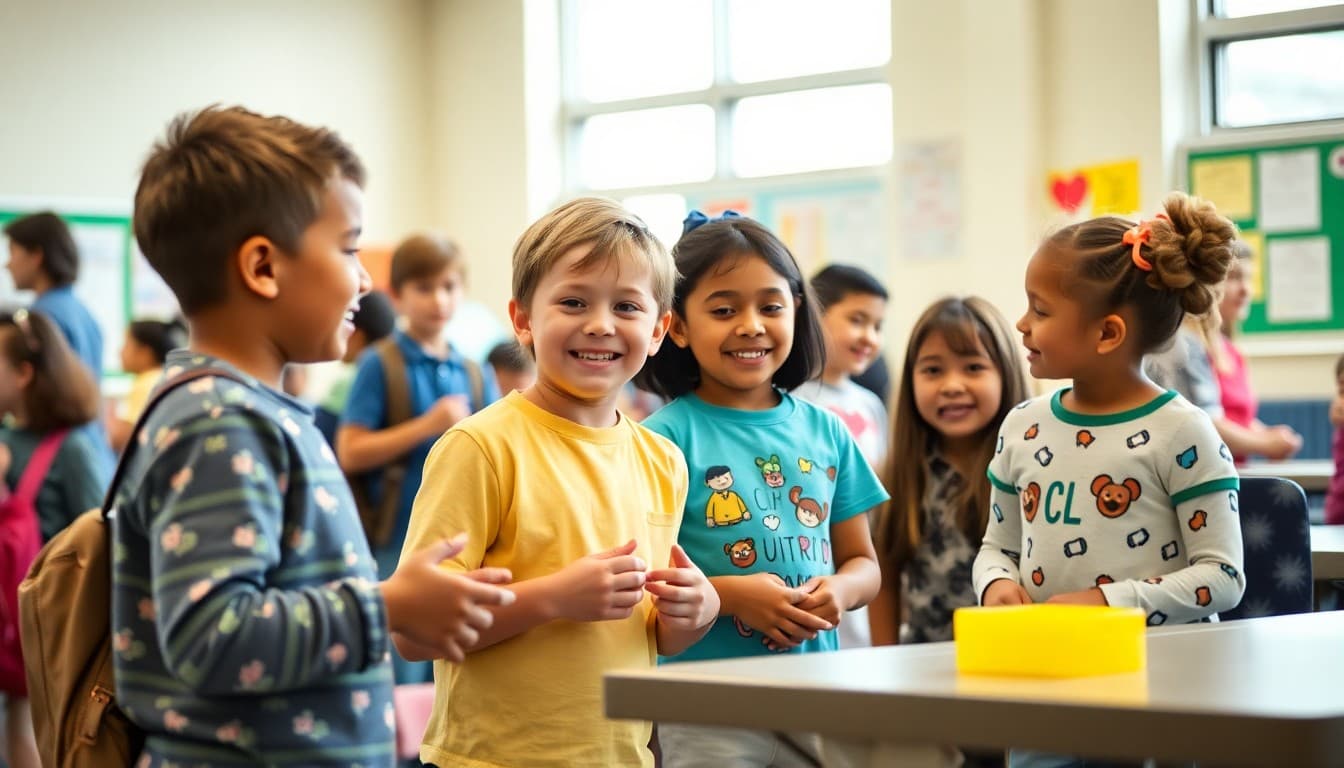
Teacher Newsletter Inclusion Event: Celebrating School-Wide Inclusion
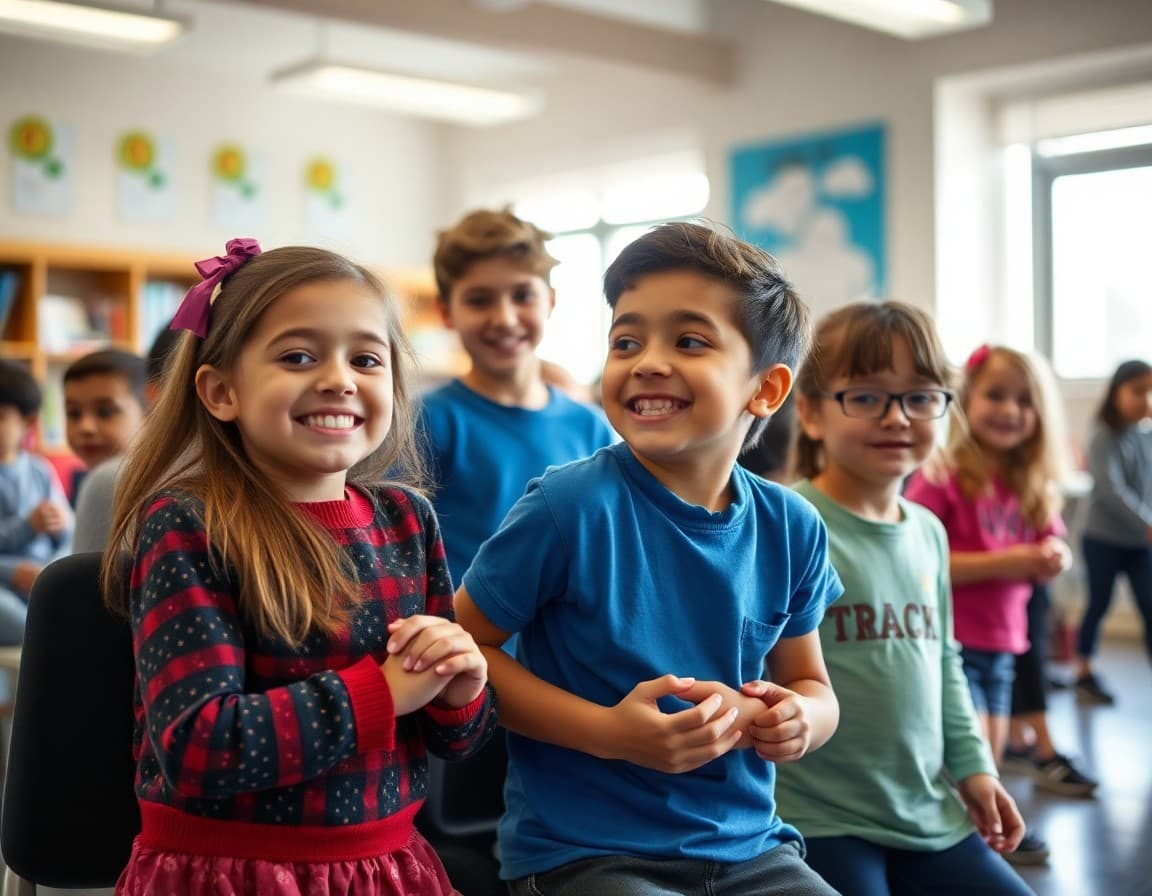
Inclusion events at school are only as good as the community understanding they build. A newsletter before the event builds anticipation and context. A newsletter after the event extends the learning. Together, they make an inclusion event matter beyond the day it happens and signal to families that inclusion is not a one-day commitment but a school-year value.
Pre-event newsletter: explain the purpose directly
Do not let the event speak for itself. Tell families why it is happening. "This month, our school is hosting [event name] to build the understanding and empathy that makes inclusive education work. Students who understand disability as part of human diversity are better friends, better classmates, and better community members. This event is designed to make that understanding tangible through hands-on activities and real conversation. We expect it to be a memorable experience for every student in the school."
Describe what will happen at the event
Give families a clear picture of the event format. "Students will rotate through five stations: a blindness simulation where students navigate a course with a blindfold and a guide, a braille activity where students practice reading a short word in braille, a wheelchair obstacle course that builds understanding of accessible environments, a communication board activity that introduces AAC, and a conversation station with community members who have disabilities sharing their own stories. Each station is facilitated by a trained adult."
Prepare families for conversations at home
Give families conversation starters for after the event. "After the event, ask your student: what was the hardest station? What surprised you? What do you want to know more about? What did you learn about someone who is different from you? These conversations extend the learning from school into family life and help children process what they experienced in a deeper way than they can in the classroom alone."
Post-event newsletter: name what happened specifically
Celebrate specific moments from the event rather than general enthusiasm. "At the blindness station, several students asked to try navigating a second time because they wanted to do it better. At the conversation station, students asked questions that our community guests said they had never been asked by a ten-year-old. This is what inclusion education looks like when it works: genuine curiosity, respectful conversation, and the beginning of understanding."
Connect the event to ongoing commitment
Use the post-event newsletter to connect the event to the school year ahead. "What happens in a two-hour event matters most in the days and months that follow. The understanding students built today will influence how they treat their peers with disabilities in the hallway, at lunch, and in the classroom. We can reinforce that understanding by continuing to use inclusive language, by choosing books with disabled characters, and by speaking honestly and directly when students ask questions about disability. This is not a one-day effort. It is a school year one."
Template: inclusion event follow-up newsletter section
"Inclusion Event Follow-Up Thank you to every student, family, and community member who participated in [event name]. [2-3 specific observations about what happened and what students said or did]. To continue the conversation at home: ask your student what they learned and what surprised them. Look for a book featuring a disabled character at your library (recommendations below). Next up in our school's inclusion efforts: [1-2 upcoming related activities or topics]. [2-3 recommended books or links to disability inclusion resources]."
Daystage makes it easy to send both pre-event and post-event inclusion newsletters with photos, embedded links, and consistent branding that reflects the school's commitment to this work.
Get one newsletter idea every week.
Free. For teachers. No spam.
Frequently asked questions
What types of inclusion events are appropriate for school communities?
Effective school inclusion events are participatory rather than observational. Options include: Disability Awareness Fairs where students rotate through stations learning about different types of disabilities (blindness simulation, braille activities, wheelchair courses), Inclusion Olympics with adapted versions of familiar games accessible to all ability levels, school assemblies with presentations by disabled community members, reverse-inclusion experiences where general education students spend time in adapted programs, and whole-school read-alouds of books featuring disabled protagonists.
How should a newsletter explain the purpose of an inclusion event to families?
Be direct about the purpose without being preachy. 'This [event name] is designed to build the understanding and empathy that makes inclusive education work. Students who know their peers with disabilities as real people with real interests are better community members in the classroom and in life. This is not about awareness for its own sake. It is about building the school culture that every student deserves.' Families respond to purpose that is clear and connected to something real.
How can teachers use newsletters to follow up after an inclusion event?
Post-event newsletters should: acknowledge what happened and celebrate specific aspects (not just vague enthusiasm), share something students said or did that reflects the event's goals, provide one or two at-home extension ideas for families who want to continue the conversation, and connect the event to the school's ongoing commitment rather than framing it as a one-time experience. 'What we do in October matters every day in November.' Follow-up newsletters make events matter beyond the day they happen.
How should teachers handle potential parent concerns about inclusion events?
Some parents of general education students worry that inclusion events are not a productive use of school time, or that exposure to disability stigmatizes students with disabilities by making them a subject of study. Address these concerns by explaining that well-designed inclusion events are participant-centered and experiential, not observation-based. Disability awareness education is as relevant to life skills as academic content. Students benefit from understanding human diversity in their own school community.
How does Daystage support newsletters about school inclusion events?
Daystage lets teachers send pre-event and post-event newsletters with embedded photos, video highlights, and links to inclusion resources. A pre-event newsletter builds anticipation and helps families prepare their students. A post-event newsletter celebrates what happened and extends the learning. Both newsletters together create a more complete communication arc than a single event announcement. Daystage makes it easy to include visuals and links in a professional, shareable format.

Adi Ackerman
Author
Adi Ackerman is a former classroom teacher and curriculum writer with 8 years in K-8 schools. She writes about school communication, parent engagement, and what actually works in real classrooms.
More for Special Education
Ready to send your first newsletter?
3 newsletters free. No credit card. First one ready in under 5 minutes.
Get started free