
SEL Newsletter on Empathy: Sections That Help at Home
Empathy gets used as a buzzword more than almost any other SEL term. That makes it harder to write a newsletter about, because parents have a different idea of what it means depending on who they talked to last. A clear newsletter strips the word down to what it actually is, names what it looks like in a K-5 classroom, and gives parents a single thing they can do at home tonight.
What empathy is and is not
Empathy is the ability to feel something in response to what someone else is feeling. It is not the same as sympathy, which is feeling sorry for someone. It is not the same as kindness, which is an action. It is the inner experience that often comes first. A kid sees a classmate cry. Something inside them shifts. That shift is empathy. What they do next is something else.
The walks-versus-talks frame
Empathy shows up two ways in a classroom. Talks are when a kid says something out loud. "You look sad. Are you okay?" Walks are when a kid acts. Moving over so someone has room. Bringing a friend a Kleenex without being asked. Sharing a marker before being prompted. Both count. Sometimes the walks are quiet and adults miss them. They are still the skill at work.
Picture books do the heavy lifting
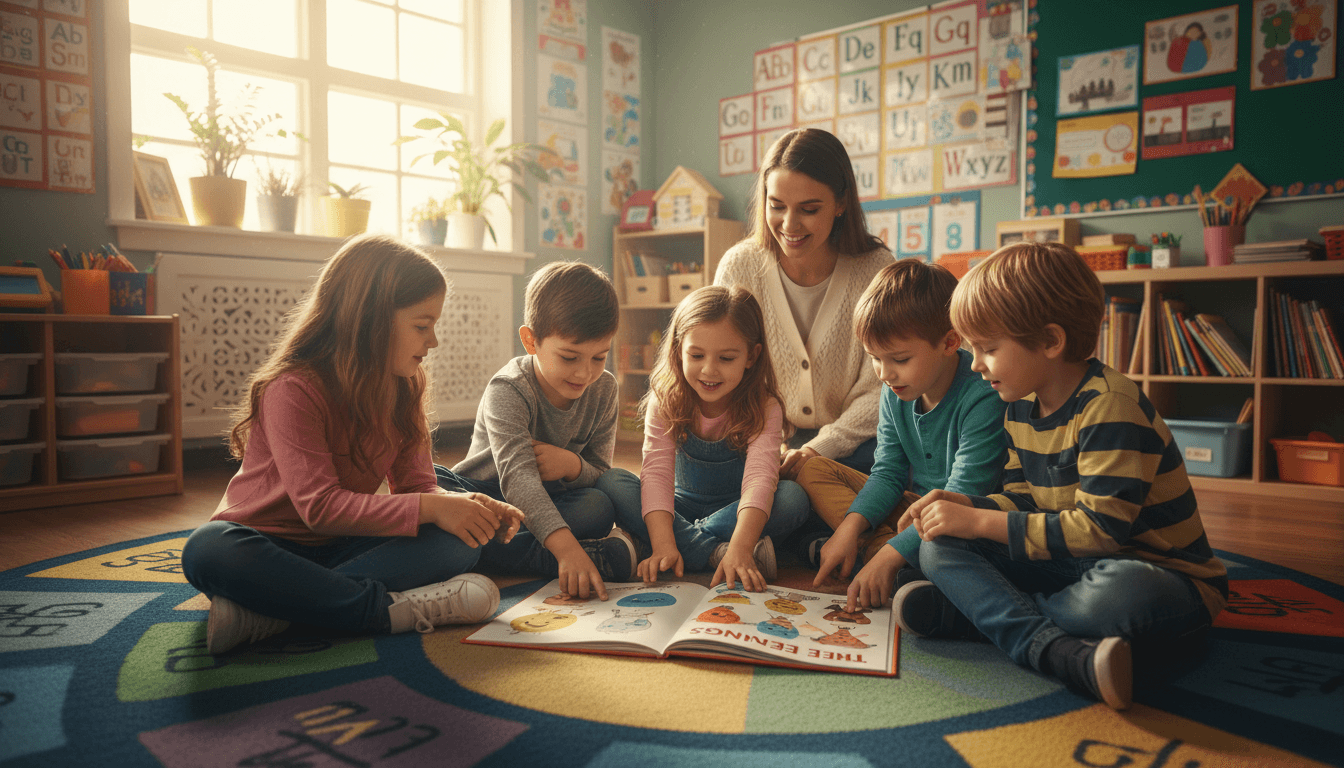
I do not teach empathy with worksheets. I teach it with stories. We read Each Kindness by Jacqueline Woodson last week and paused once near the end. I asked the class what they thought Maya might be feeling when she stopped coming to school. The room went quiet. Then a kid I will call C raised her hand and said, "I think she felt like nobody wanted her to come back." We sat with that for a minute. Nobody had to say anything else.
A short section parents will actually read
On Friday, two kids in our class noticed that a classmate, a kid I will call J, had been quiet all morning. One of them sat next to her at snack without saying anything. The other one drew her a small picture and slid it across the desk. Neither of them asked her what was wrong. They just made space. That is empathy walking, not talking.
The skill we have been practicing is called empathy. It is the inner experience of feeling something in response to what someone else is feeling. At home, you can build this with one prompt at dinner: "Did you notice anyone today who seemed to be having a hard time? What did you do, or what could you do tomorrow?"
Model it out loud
Kids learn empathy by watching adults do it. A parent who looks up from a news story and says "I cannot imagine how that family is feeling right now" is teaching the skill. A parent who hears about a sibling fight and says "I wonder what made your brother so upset" is teaching the skill. The wondering itself is the lesson.
What to skip in the newsletter
Skip "kindness initiative" or "kindness chain" framing. They are fine programs, but they make empathy feel like a project. Skip sweeping claims about how empathy will fix bullying or build future leaders. Skip definitions copied from a textbook. Replace all of it with one classroom moment and one prompt.
Common pitfalls in empathy newsletters
The first pitfall is collapsing empathy and sympathy. They feel similar and they are not. Sympathy is feeling sorry for someone. Empathy is feeling with them. The second pitfall is treating empathy as a fix-everything skill. It is not. It helps kids notice and respond. It does not solve hard problems on its own. The third pitfall is asking parents to "have empathy conversations." Give them one book and one question instead.
Subject lines that get opened
"What two of our students did when J was having a hard day" gets opened. "Empathy Week Update" does not. Try "One picture book to read with your kid tonight" or "The walks-versus-talks frame we use in Room 4." Story over slogan. Write the subject after the body, once you know which moment is the anchor.
Length, cadence, and visuals
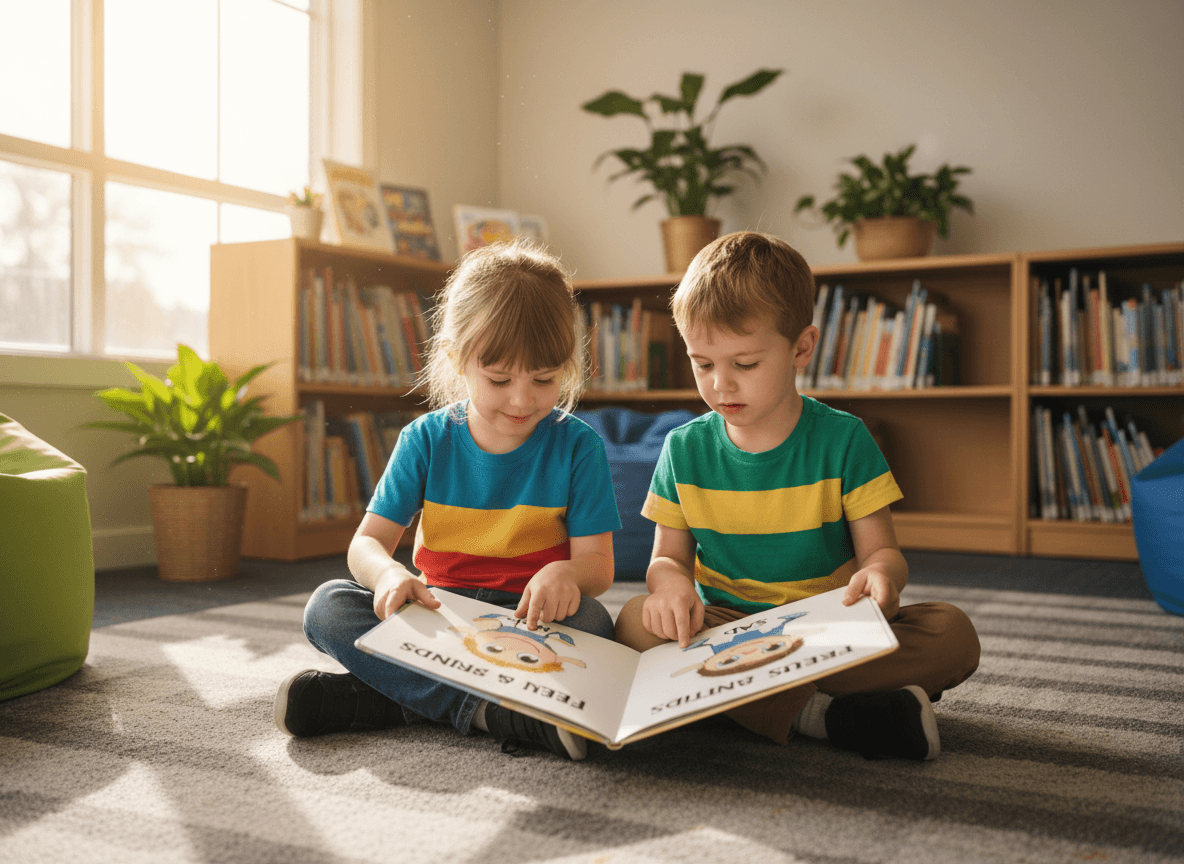
Aim for 350 to 500 words. Two short sections. One photo of a read-aloud or two kids reading together, with permissions cleared. Send every two to three weeks. The consistency is what keeps the book recommendations stacking up at home over the year. By June, families have a small empathy library.
How Daystage helps with empathy newsletters
Daystage drafts parent-friendly SEL newsletters from a few notes you type in. The empathy template includes a classroom moment, a picture book recommendation, and one prompt for the dinner table. You read, edit, send. Most teachers finish in under ten minutes.
Get one newsletter idea every week.
Free. For teachers. No spam.
Frequently asked questions
Is empathy the same as kindness?
No. Kindness is an action. Empathy is what often comes before the action. A kid who notices a classmate is hurt and feels something in response is doing empathy. The kid who walks over and asks if they are okay is doing kindness. The two are related but not the same.
Can empathy be taught?
Yes. The capacity for empathy is wired in, but the practice of using it is taught. Story time, modeled language, and adults pointing out empathy when they see it all build the skill. Kids who hear adults say 'I wonder how he is feeling' grow up wondering the same thing.
What is the walks-versus-talks frame?
Empathy shows up in two ways. Talks are when a kid says something. 'You look sad, are you okay?' Walks are when a kid acts. Bringing a friend a tissue without being asked. Sitting next to someone who is sitting alone. Both count. The walks are sometimes invisible to adults, but they are the skill in motion.
What books help build empathy in elementary kids?
Each Kindness by Jacqueline Woodson. Last Stop on Market Street by Matt de la Pena. The Day You Begin by Jacqueline Woodson. The Invisible Boy by Trudy Ludwig. Strictly No Elephants by Lisa Mantchev. Read one. Pause once. Ask what a character might be feeling. That is the whole lesson.
Does Daystage have an empathy newsletter template?
Daystage has SEL templates for the five CASEL competencies and adjacent skills like empathy. The template includes a classroom moment, a book recommendation, and one parent prompt. You type your notes, Daystage drafts the newsletter, you send.

Adi Ackerman
Author
Adi Ackerman is a former classroom teacher and curriculum writer with 8 years in K-8 schools. She writes about school communication, parent engagement, and what actually works in real classrooms.
More for Social-Emotional Learning
SEL Newsletter on Social Awareness: A Template Worth Keeping
Social-Emotional Learning · 6 min read
SEL Newsletter on Relationship Skills: What to Send Home
Social-Emotional Learning · 6 min read
Classroom Community Building Newsletter: What to Send the First 30 Days
Social-Emotional Learning · 6 min read
Ready to send your first newsletter?
3 newsletters free. No credit card. First one ready in under 5 minutes.
Get started free