

Classroom Community Building Newsletter: What to Send the First 30 Days
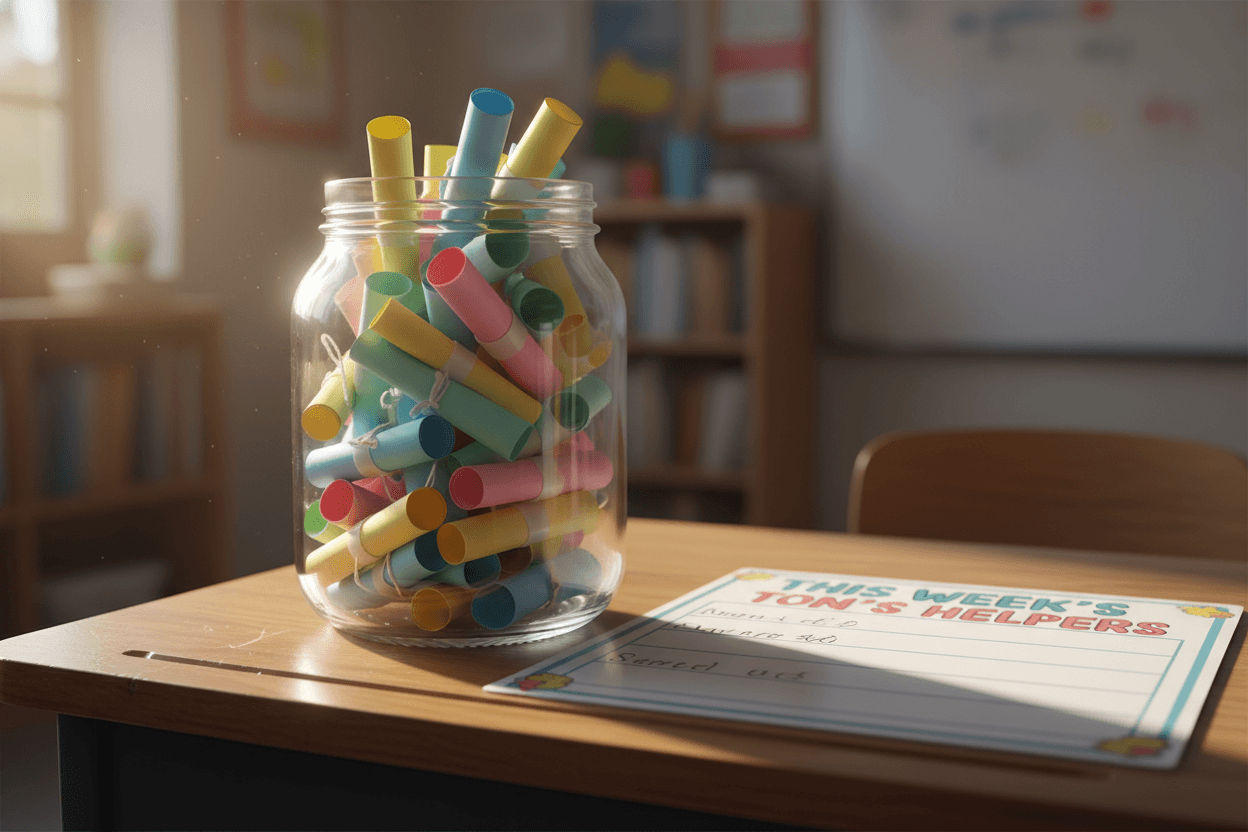
The first 30 days of school decide whether parents see your classroom as a place where their child belongs or a place where their child is processed through. A newsletter cadence in those first weeks shifts the entire dynamic. Three short issues, sent on a deliberate schedule, build trust faster than a back-to-school night and one mid-October update. Here is the plan.
Newsletter one: days 1 to 3
Send within 72 hours of the first day. Parents are watching for any signal about who you are. Keep it short, around 250 words. Cover four things:
- Your name and one line of teaching background. Skip the long bio.
- Three specific things that happened in the first three days, named in plain language. "We learned each other's names with a ball-toss game. We built our morning meeting routine. We started a classroom agreement chart that we will finish next week."
- One thing about how you handle the inevitable first conflict. "When two students disagree, my first move is to ask each of them to say what they need, before I ask either to apologize." Parents find that more reassuring than any policy statement.
- How to reach you. Email, response time, what you do if you do not respond within that window.
Newsletter two: end of week two
Send the classroom agreements your class co-created. Send them in the kids' words. Add one short paragraph about how the agreements came together. "On Tuesday, we made a list of every behavior the class wanted to see. We ended up with 23 items. By Friday, we had grouped them into four agreements. Here they are, in the language the class chose."
Then list them. Five at most. Phrased as the students would phrase them. "We listen with our whole bodies. We use kind words. We help each other. We take care of our space. We try again." Resist the urge to polish. The student voice is the whole point.
Newsletter three: end of week four
This is the consolidation issue. By now, the routines are running. Friendships are starting to form. The class has had a small conflict or two. Tell parents what changed in 30 days. "Three weeks ago, every student needed a reminder to join the morning circle. This week, all 22 of them came on their own." That kind of specific observation builds more trust than any abstract reassurance about the year ahead.
Include one specific moment that captures the class culture starting to form. A student who helped another. A small kindness at recess. The kind of thing parents tell each other at pickup. Get to it first, in writing, where every family sees it.
Skip the operational content
Supply lists, lunch money reminders, field trip permission slips, and pickup procedure changes do not belong in the community-building newsletter. They drown the message. Send those in a separate email with a different subject line. Keep the community-building newsletter for community building.
Watch the photos
One classroom photo per newsletter. Hands at work, the morning circle from behind, a finished anchor chart. No student faces unless you have photo releases on file. The photo grounds the newsletter in the actual classroom and signals that you are paying attention to what the room looks and feels like.
Subject lines that pull parents in
First newsletter: "Three things from the first three days." Second: "What our class agreed on this week (in their words)." Third: "What changed in 30 days." Each one teases a specific story. Compare those to "Classroom Newsletter," "Welcome Back," or "September Update." Specific subject lines double or triple the open rate in most classrooms.
How Daystage helps with classroom community newsletters
Daystage gives teachers a back-to-school newsletter set designed for the first 30 days. Three preset issues, each with the structure already built. You write a few short notes about what happened in your classroom that week, and Daystage drafts the newsletter in plain language with the right cadence and tone. The parent contact list is managed in one place. Sending takes one click. The first month becomes a routine instead of a series of late-night writing sessions.
Get one newsletter idea every week.
Free. For teachers. No spam.
Frequently asked questions
How early in the school year should the first community-building newsletter go out?
Within the first three days of school. Parents are paying maximum attention in the first week. A newsletter that lands during week one gets read at four times the rate of one sent in week three. Use that attention to set the tone for the whole year.
What goes in the first community-building newsletter of the year?
Your name, what you taught the year before, three specific things students will do in the first week (morning meeting, classroom agreements, a name game with photos), how you handle the first conflict that comes up, and how to reach you. Skip the supply list and policy reminders. Those go in a separate operational email.
How does Responsive Classroom or Morning Meeting fit into this?
If you use Responsive Classroom, Morning Meeting, or a similar structured approach, name it once in your first newsletter and link to a one-paragraph explanation. After that, refer to 'our daily morning circle' or 'our class meeting.' Parents care about what happens. The brand name is for your principal, not for them.
Should the newsletter include classroom agreements or rules?
Send the classroom agreements once they are co-created with students, usually around day five or six. Send them as the kids wrote them, with student voice intact, not rewritten in adult prose. Parents who see 'we listen with our whole bodies' in second-grade phrasing connect with it. They skim 'students will demonstrate active listening behaviors.'
Can Daystage handle three newsletters in 30 days without it becoming a chore?
Yes. Daystage stores your back-to-school template set, lets you draft from a few notes, and sends each newsletter to your full class roster in one click. The first three issues are preset for week one, week two, and end of week four, so you are not designing them each time. Most teachers spend 15 to 20 minutes per issue using the template.

Adi Ackerman
Author
Adi Ackerman is a former classroom teacher and curriculum writer with 8 years in K-8 schools. She writes about school communication, parent engagement, and what actually works in real classrooms.
More for Social-Emotional Learning
Ready to send your first newsletter?
3 newsletters free. No credit card. First one ready in under 5 minutes.
Get started free