
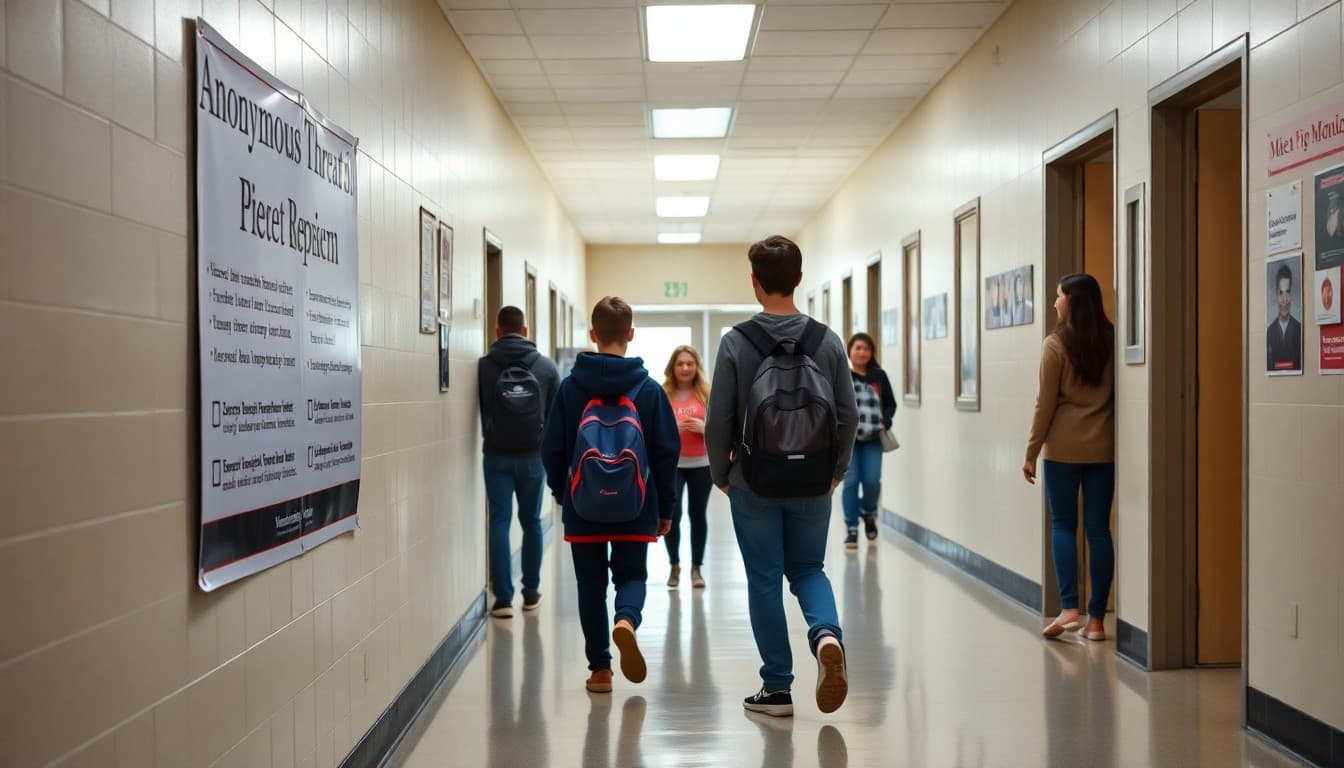
School Anonymous Tip Line Newsletter: How to Report Safely

An anonymous tip line is only as effective as people's awareness of it and trust in it. A newsletter that clearly explains how to report, what happens after a report, and why anonymity is protected can significantly increase tip volume, which means more safety concerns caught before they escalate.
Introduce the Tip Line by Name and Format
Start by naming the specific tip line your school uses. If it's a district-managed phone number, say so. If it's a web-based form, give the URL. If it's a text line, give the number and keyword. If your school uses a third-party service like Sandy Hook Promise's Say Something app, STOPit, or Safe2Help, name it. Vague references to "our tip line" are less actionable than "text TIPS to 555-2222 or visit [url]."
Explain What Counts as a Reportable Concern
Students and parents often hesitate because they don't know if their concern is "serious enough." Remove that barrier by naming specific examples. Reportable concerns include: a peer talking about bringing a weapon to school, social media posts expressing intent to harm, someone describing a plan to hurt themselves, a student who has made threats toward a specific person, and any situation where a student feels physically unsafe. Add: if you're unsure whether to report, submit anyway. Trained staff evaluate every tip.
Walk Through the Submission Process Step by Step
Make reporting so easy it takes less than two minutes. Describe the steps: open the app or go to the website, choose the type of concern, describe what you saw or heard in as much detail as possible, submit. Explain that no account or login is required for fully anonymous submissions. Tell families how quickly their submission will be reviewed: "Tips submitted before 3 PM are reviewed by the end of the school day. Tips submitted after hours are reviewed the following morning."
Address Anonymity Directly and Honestly
Some families are skeptical about whether anonymous really means anonymous. Be specific about how your system works. If you use a third-party platform, explain that reports go to the platform first and the school never sees identifying information. If your tip line is a local phone number, explain whether calls are recorded and whether caller ID is visible. Transparency about the system's actual design builds more trust than a generic "your report is confidential" promise.
Use a Template Reporting Section Families Can Screenshot
Here is a format that works for any anonymous tip line newsletter:
"To report a safety concern anonymously: Text [keyword] to [number] | Visit [website] | Download the [app name] app. Tips are reviewed by [name/role] by [timeframe]. Your identity is never shared. If the situation is an immediate emergency, call 911 first, then submit a tip so our team is informed."
Keep this section consistent in every newsletter so families can find it fast when they need it.
Normalize Using the Tip Line Before a Crisis
Students are more likely to use a reporting system they've heard about repeatedly in normal, low-stakes contexts than one they're learning about for the first time during a stressful moment. Mention the tip line in back-to-school communications, monthly safety updates, and whenever a safety drill occurs. Repetition builds familiarity. Familiarity reduces hesitation.
Share That Tip Lines Save Lives
Concrete data builds credibility. Research from the Sandy Hook Promise organization found that more than 90 percent of school shootings are preceded by warning signs, and that peer reporting has prevented multiple attacks. You don't need to cite a specific school tragedy. "Students who spoke up prevented a planned attack at their school" is a powerful statement that takes 10 seconds to read and stays with families.
Close with Every Reporting Option Visible
End the newsletter with all reporting channels listed in a format that's easy to save or screenshot: the tip line number, the web address, the app name and where to download it, and a direct contact for anyone who prefers to speak with a person. A family reading this at midnight who is worried about their child's friend should be able to find the reporting option and use it without any additional searching.
Get one newsletter idea every week.
Free. For teachers. No spam.
Frequently asked questions
What is a school anonymous tip line and how does it work?
An anonymous tip line is a reporting channel that allows students, families, and community members to share safety concerns without revealing their identity. Reports typically go to the principal, a district safety officer, or a third-party service that forwards them to school administrators. The reporter's name and contact information are never disclosed to the person being reported or shared publicly.
Are anonymous tip lines actually anonymous?
That depends on the system. Text-based and web-based tip lines managed by third-party services like Sandy Hook Promise's Say Something app or STOPit can be designed to be fully anonymous. Phone-based tip lines may capture caller ID unless the caller uses a blocked number. Explain the specifics of your school's system clearly in the newsletter so families trust what they're submitting.
What happens after a student or parent submits an anonymous tip?
A designated administrator or safety officer reviews every tip within a defined timeframe, usually the same business day for urgent concerns. They investigate based on the information provided, which may involve speaking with teachers, reviewing records, or contacting parents. If the tip indicates an immediate threat, law enforcement is notified. Follow-up to the reporter isn't always possible when the submission is anonymous, but schools can post a general 'tips received and reviewed' update.
How do schools encourage students to use the tip line without peer pressure backlash?
Normalize the behavior before a crisis happens. Include the tip line in back-to-school materials, classroom presentations, and regular newsletter updates so it feels like a standard part of school culture rather than something you only use in extreme situations. Framing it as helping a struggling friend rather than reporting a problem shifts the social dynamic significantly.
Can Daystage help schools send targeted reminders about the anonymous tip line throughout the year?
Yes. You can create a tip line reminder template in Daystage and send it at the start of each semester, before a school break, and after any safety-related incident. Consistent exposure to the reporting channel increases the likelihood that students and families will use it when something concerning happens.

Adi Ackerman
Author
Adi Ackerman is a former classroom teacher and curriculum writer with 8 years in K-8 schools. She writes about school communication, parent engagement, and what actually works in real classrooms.
More for School Safety
Ready to send your first newsletter?
3 newsletters free. No credit card. First one ready in under 5 minutes.
Get started free