
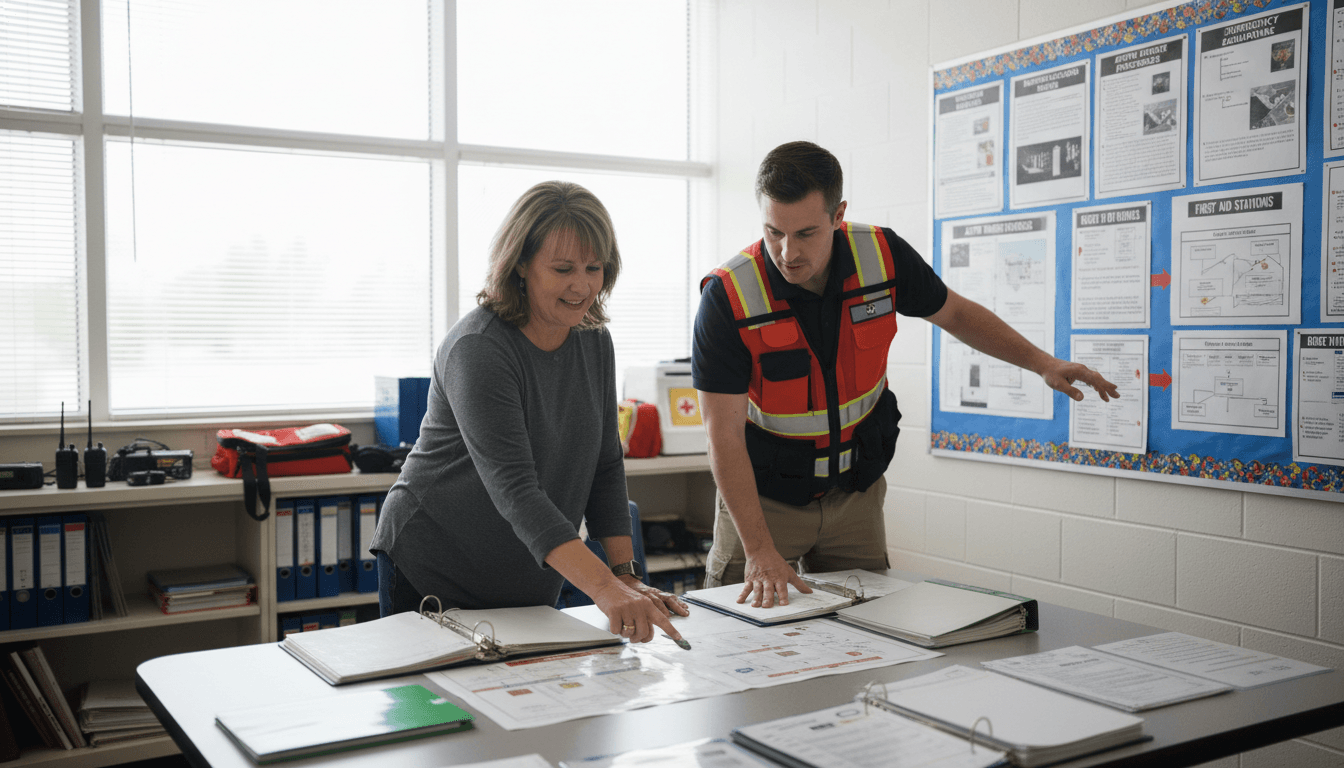
School First Aid and AED Newsletter: Communicating Medical Emergency Preparedness to Families
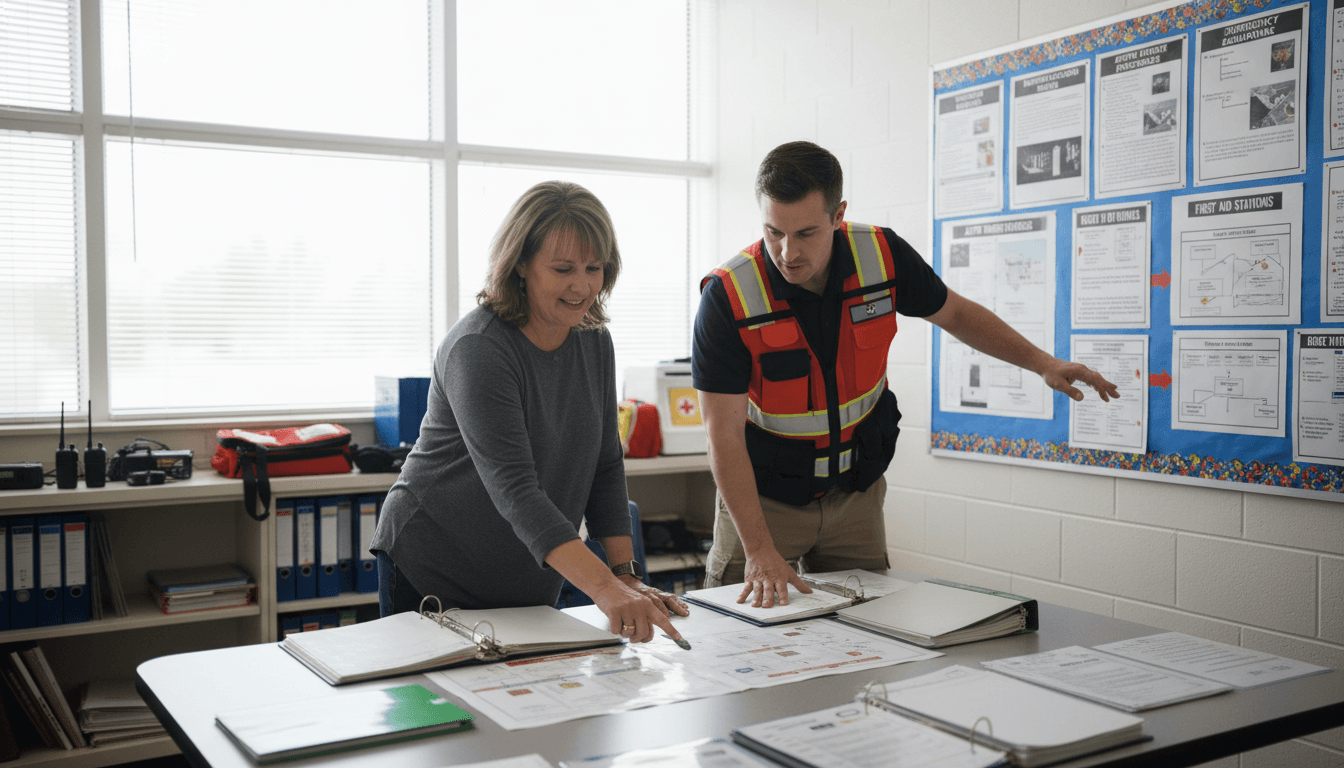
Most parents have never considered what happens if their child witnesses a medical emergency at school, or what the school does when a student or staff member collapses. A newsletter that describes the school's medical emergency preparedness, including AED program and trained staff, gives families confidence that the school can handle a health crisis effectively.
The AED Program
Automated external defibrillators have saved thousands of lives in sudden cardiac arrest situations. Most schools are required to have at least one. Many families do not know that AEDs are present, where they are located, or that they are designed to provide voice instructions that guide even untrained users.
The newsletter should name the specific locations of AEDs in the building. If the school has multiple units, list each location. Note how many staff members are trained in CPR and AED use, and that the school's training is current.
Medical Emergency Response Protocol
Walk families through what happens when a medical emergency occurs at school. First available staff member initiates first aid. Main office is notified. 911 is called if required. Nurse responds. Parent is contacted. Students in the area are moved to prevent further distress if possible. This sequence, described in advance, prevents the assumption that a medical emergency was mishandled.
Disclosing Student Medical Conditions
Schools rely on family disclosure of medical conditions to prepare appropriate responses. Severe allergies, seizure disorders, diabetes, asthma, and cardiac conditions all require specific preparedness. The newsletter should explicitly ask families to ensure their child's current medical information is on file and to update it when anything changes. Include the specific contact for medical record updates.
After a Medical Emergency
When a medical emergency occurs at school, proactive communication within 24 hours prevents the anxiety that builds from student-to-family information that is incomplete or alarming. A brief newsletter acknowledging what happened and what the school's response was builds confidence even when the outcome was serious.
Get one newsletter idea every week.
Free. For teachers. No spam.
Frequently asked questions
What should families know about the school's AED program?
Where AEDs are located in the building, who is trained to use them, that AEDs provide voice-guided instructions that allow even untrained bystanders to use them effectively, and that the school conducts regular training and AED equipment checks. Families who understand the AED program are more confident in the school's medical emergency preparedness.
How do you communicate a medical emergency response to families after it happens?
Send a same-day or next-day newsletter acknowledging that a medical emergency occurred, that appropriate first aid and emergency services were provided, that the school is supporting the affected student and their family, and that counseling is available for students who witnessed the event. Do not name the student without family permission.
What should parents know about allergy and medical condition disclosure at school?
The newsletter should explain how to disclose a student's medical condition or allergy to the school, what the school does with that information, how teachers and staff are notified about conditions that may require emergency response, and how to update the school if a medical condition changes.
How do you communicate about student health emergencies that affected other students?
Carefully and with attention to privacy. Acknowledge the event, confirm that emergency procedures were followed, note any support resources available for students who were affected by witnessing it, and thank families for their patience. Do not describe the medical details of the affected student.
Does Daystage support medical emergency communication?
Yes. School nurses and administrators use Daystage to send proactive medical preparedness newsletters and post-incident communications. The consistent, professional format ensures that sensitive medical communications reach families clearly and promptly.

Adi Ackerman
Author
Adi Ackerman is a former classroom teacher and curriculum writer with 8 years in K-8 schools. She writes about school communication, parent engagement, and what actually works in real classrooms.
More for School Safety
School Entrance Security Newsletter: Communicating Access Control Upgrades to the School Community
School Safety · 5 min read
Safe School Ambassador Newsletter: How Peer Leaders Make Schools Safer and What Families Should Know
School Safety · 5 min read
Student ID Policy Newsletter: Communicating ID Requirements and Security Rationale to Families
School Safety · 5 min read
Ready to send your first newsletter?
3 newsletters free. No credit card. First one ready in under 5 minutes.
Get started free