
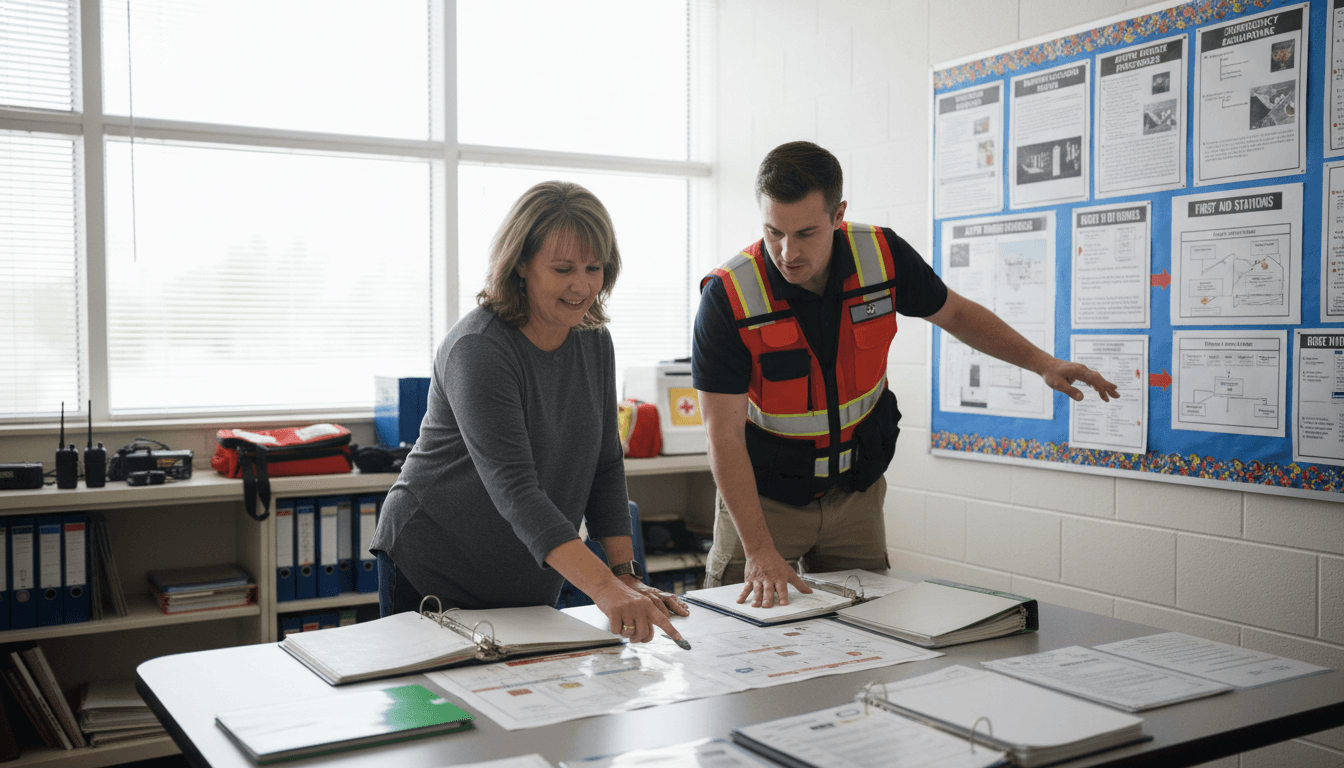
Earthquake Preparedness Newsletter: Communicating Drop-Cover-Hold On Procedures to School Families
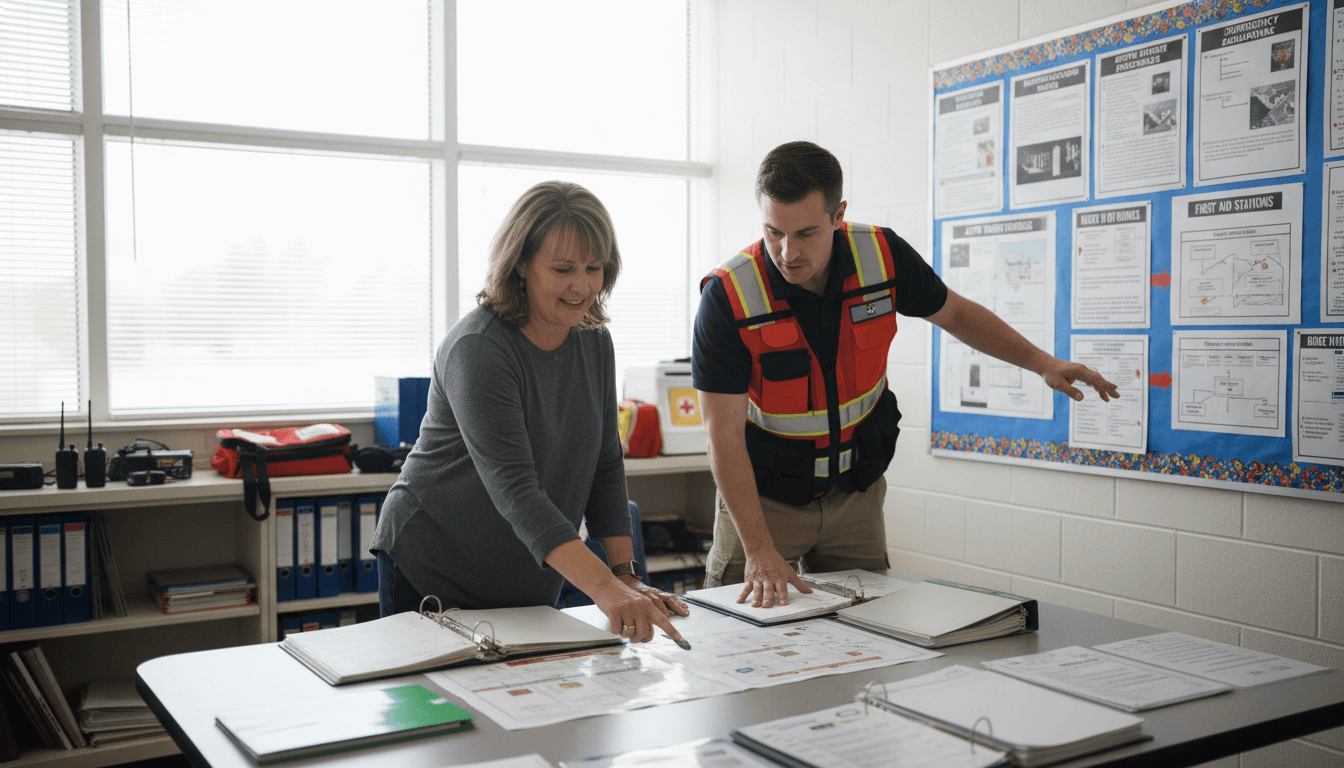
Schools in earthquake-prone regions conduct earthquake drills regularly. Most families know their child has practiced drop-cover-hold on but do not know the specific details of what happens after a significant earthquake: how the school determines whether the building is safe, where students go if it is not, how families are notified, and how the reunion process works.
This information gap is addressable through a clear annual newsletter.
Drop-Cover-Hold On Explained
Walk families through the procedure so they understand what their child is learning. When an earthquake begins or when they hear the command, students drop to hands and knees, take cover under a sturdy desk or table or against an interior wall away from windows, and hold on until the shaking stops. Students stay in position until directed by the teacher.
Families who understand the procedure can practice it at home and reinforce it as a genuine safety skill rather than a school exercise.
Building Safety Assessment After a Significant Event
After a significant earthquake, the school follows a specific procedure to determine whether the building is safe to re-occupy. Explain briefly what this involves and what it means for dismissal timing. Families who know that post-earthquake building assessment may delay dismissal are prepared to wait rather than arriving in alarm.
The Off-Site Reunion Location
This is the most important safety information for families in a significant earthquake scenario. If the building is unsafe, students will be moved to the designated reunion location. Name the address. Explain how families will be notified. Describe the sign-out process.
Families who have never received this information will drive to the school building in a post-earthquake scenario. Families who received it in advance will know to go directly to the reunion site.
Home Preparedness
End the newsletter with a brief home preparedness checklist. Emergency kit essentials, family meeting point, out-of-area contact person. Connecting school earthquake preparedness to home preparedness extends safety education beyond the school day.
Get one newsletter idea every week.
Free. For teachers. No spam.
Frequently asked questions
What should an earthquake preparedness newsletter cover for school families?
The drop-cover-hold on procedure so families know what their child is trained to do, the school's earthquake drill schedule, the post-earthquake student reunion process including where families go if the building is damaged, what supplies the school keeps on hand for post-earthquake situations, and what families can do at home to prepare.
How do you communicate the post-earthquake reunion procedure?
Name the off-site reunion location that students will be taken to if the school building is damaged or deemed unsafe after a significant earthquake. Include the address, how families will be notified when students are at that location, and what identification they need to bring for student release. This is the most important logistical information for families and the most commonly not communicated.
How do you address earthquake anxiety in students through a family newsletter?
Validate that earthquakes can be frightening while emphasizing the effectiveness of preparation and practice. Give families language to use with their children: 'Your school has practiced what to do, and you know how to protect yourself. Being prepared is the most important thing.' Preparation reduces anxiety better than reassurance alone.
When should schools send earthquake preparedness newsletters?
At the start of the school year and before the annual Great ShakeOut drill in October if the school participates. In communities that experience a significant regional earthquake, a follow-up newsletter addressing what the school checked and confirmed post-event builds confidence.
Does Daystage help schools communicate about earthquake preparedness?
Yes. Safety coordinators use Daystage to send annual earthquake preparedness newsletters with the pre-drill notification and post-drill follow-up. The consistent format ensures families receive the reunion site information in a form they can save and reference.

Adi Ackerman
Author
Adi Ackerman is a former classroom teacher and curriculum writer with 8 years in K-8 schools. She writes about school communication, parent engagement, and what actually works in real classrooms.
More for School Safety
School Community Safety Program Newsletter: Engaging Families in School Safety Partnerships
School Safety · 5 min read
School Mental Health Crisis Communication: What to Send Families After a Serious Student Incident
School Safety · 7 min read
School Threat Hotline Newsletter: Communicating Your State's Anonymous Safety Tip Line to Families
School Safety · 5 min read
Ready to send your first newsletter?
3 newsletters free. No credit card. First one ready in under 5 minutes.
Get started free