
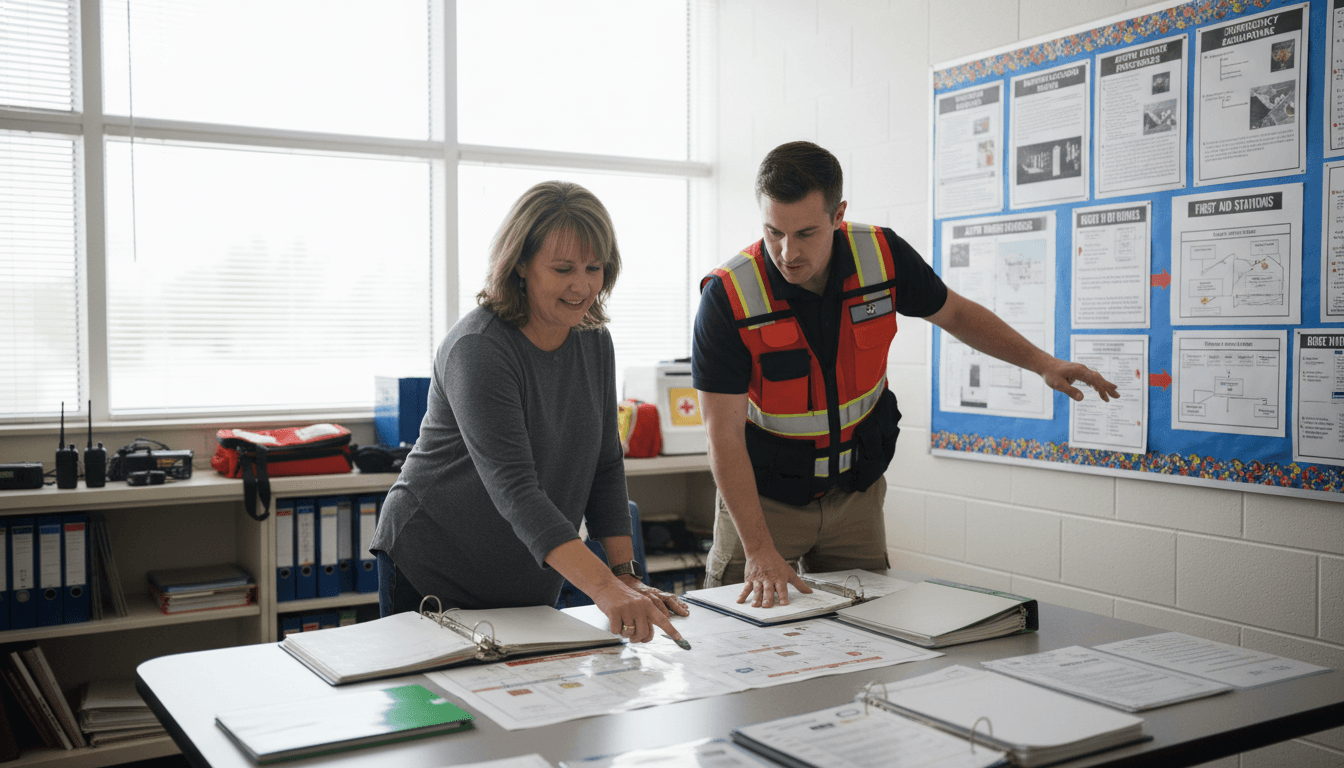
School Explosive Device Awareness Newsletter: What Families Should Know About Threats and Response
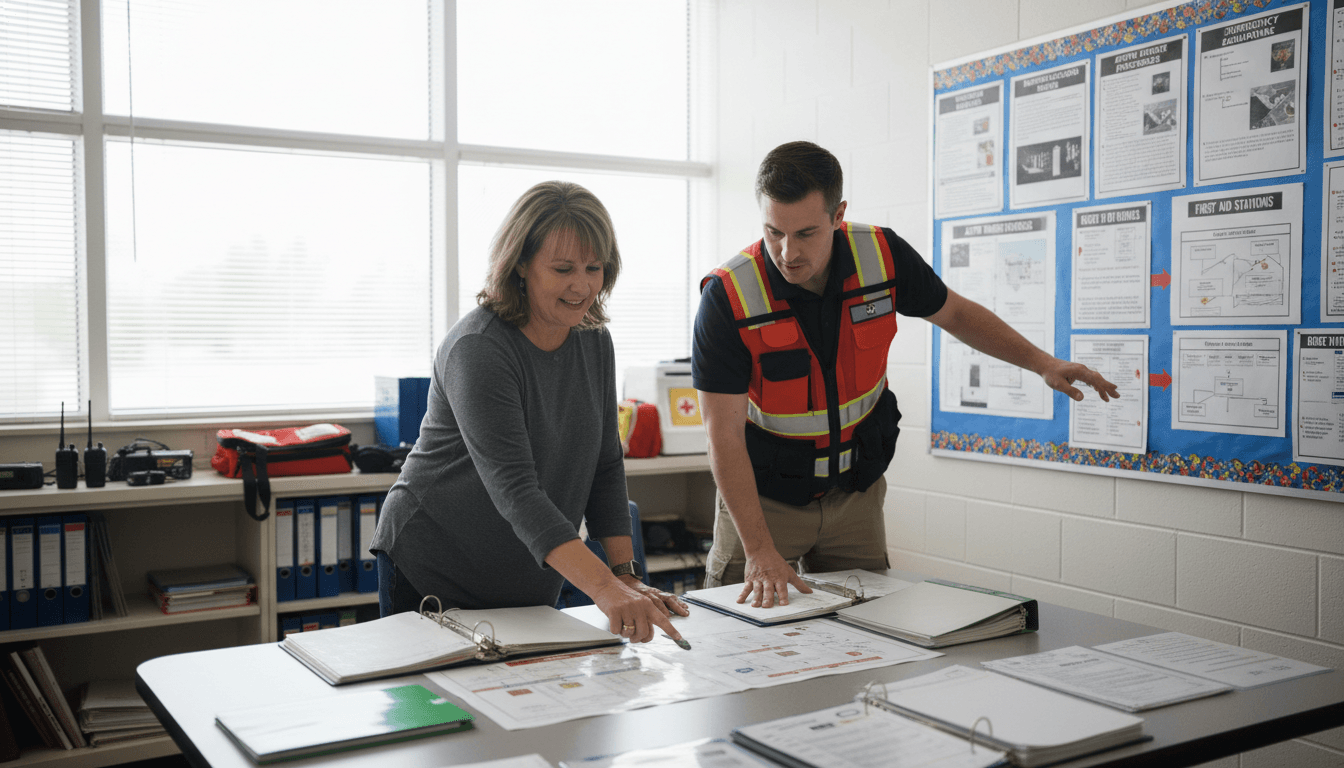
Explosive device threats are one of the most disruptive school safety scenarios a principal will manage. Families who have never received information about how the school handles these threats will make uninformed decisions when one occurs. A pre-incident newsletter that covers the basics reduces chaos when it matters most.
How the School Responds to a Threat
When the school receives a bomb threat or information about a potential explosive device, the first step is coordinating with local law enforcement. Schools do not investigate explosive device threats independently. Law enforcement directs the response, including whether the building is evacuated, whether students shelter in place, and when the building is cleared for re-entry.
Families should understand that response decisions are made by people with expertise in threat assessment. The school and police work together, and the choice between evacuation and shelter-in-place is based on the type of threat, not arbitrary.
What Families Will Receive During an Incident
The school will send an emergency alert through the school notification system as soon as it is safe to do so. The alert will name the action families should take: early dismissal, evacuation to the reunification site, or shelter-in-place if students are staying in the building. Families should monitor the alert system and not call the school office, which will be occupied managing the response.
Updates will follow as information is available. Families should wait for official notifications rather than acting on information they receive through other channels.
What Families Should Do If They Hear About a Threat
If a family member receives information suggesting a threat to the school, through a student who overheard something, a social media post, or any other channel, they should call 911 and the school office immediately. Do not share the information widely before reporting it. Unverified information spreading through parent group chats can cause mass responses that complicate law enforcement's ability to assess a real threat.
Reporting immediately, even if the family is uncertain whether the information is credible, is always the right call. Law enforcement makes credibility assessments. Families do not need to make that judgment before contacting authorities.
Talking to Children About These Scenarios
Younger children should know that schools practice keeping everyone safe, that teachers know what to do, and that the police help schools when there is a concern. They do not need details about explosive devices or threat scenarios.
Older students can handle a more direct conversation. Acknowledge that threats happen and that they are taken seriously. Reinforce that reporting any information they hear, even if they are not sure it is real, protects their classmates. Students who feel they would be believed and not penalized for reporting are more likely to come forward.
After an Incident
After a bomb threat or explosive device scare, families need clear communication about what happened, what was found or not found, what the school is doing next, and what support is available for students who are upset. This post-incident communication is often rushed and incomplete. Taking time to send a clear, honest follow-up newsletter matters for community trust.
Get one newsletter idea every week.
Free. For teachers. No spam.
Frequently asked questions
Should schools communicate proactively about bomb threats and explosive device awareness?
Yes, but the communication should focus on preparedness and response rather than threat scenarios. Families deserve to know how the school responds to these threats, what their role is if they receive information, and what the reunification or early dismissal process looks like. Proactive communication prevents families from making uninformed decisions during an actual incident.
What should a school do when a bomb threat is received?
Follow the protocol established with local law enforcement: evaluate the threat's credibility, decide whether to evacuate or shelter depending on threat type, notify families through the emergency alert system, and coordinate with first responders. The newsletter should explain this process at a high level so families know what to expect.
What should families do if they hear about a threat to the school?
Contact the school or law enforcement immediately through official channels. Do not spread information through social media or group chats. Do not drive to the school unless directed. Families who share unverified threat information before the school has responded can cause panic and complicate law enforcement's ability to manage the situation.
How do you talk to children about bomb threats and explosive device drills?
Acknowledge that schools practice for these scenarios the same way they practice fire drills. Reassure younger children that the school works with police to keep them safe. For older students, validate that these threats are serious and explain that reporting any suspicious information to a trusted adult is the right response.
How does Daystage support communication during and after a threat?
Schools use Daystage to send both pre-incident preparedness newsletters and post-incident communications. The platform reaches all families quickly with a consistent message that reduces confusion and prevents the information vacuum that leads to panic.

Adi Ackerman
Author
Adi Ackerman is a former classroom teacher and curriculum writer with 8 years in K-8 schools. She writes about school communication, parent engagement, and what actually works in real classrooms.
More for School Safety
School Anti-Hazing Newsletter: What Families Need to Know About Hazing Prevention
School Safety · 5 min read
School First Aid and AED Newsletter: Communicating Medical Emergency Preparedness to Families
School Safety · 5 min read
School Safety Team Newsletter: Coordinating Roles, Training, and Communication Across Your Safety Team
School Safety · 6 min read
Ready to send your first newsletter?
3 newsletters free. No credit card. First one ready in under 5 minutes.
Get started free