
School Emergency Plan Newsletter for Families: Sharing What Parents Need to Know Without Overwhelming Them
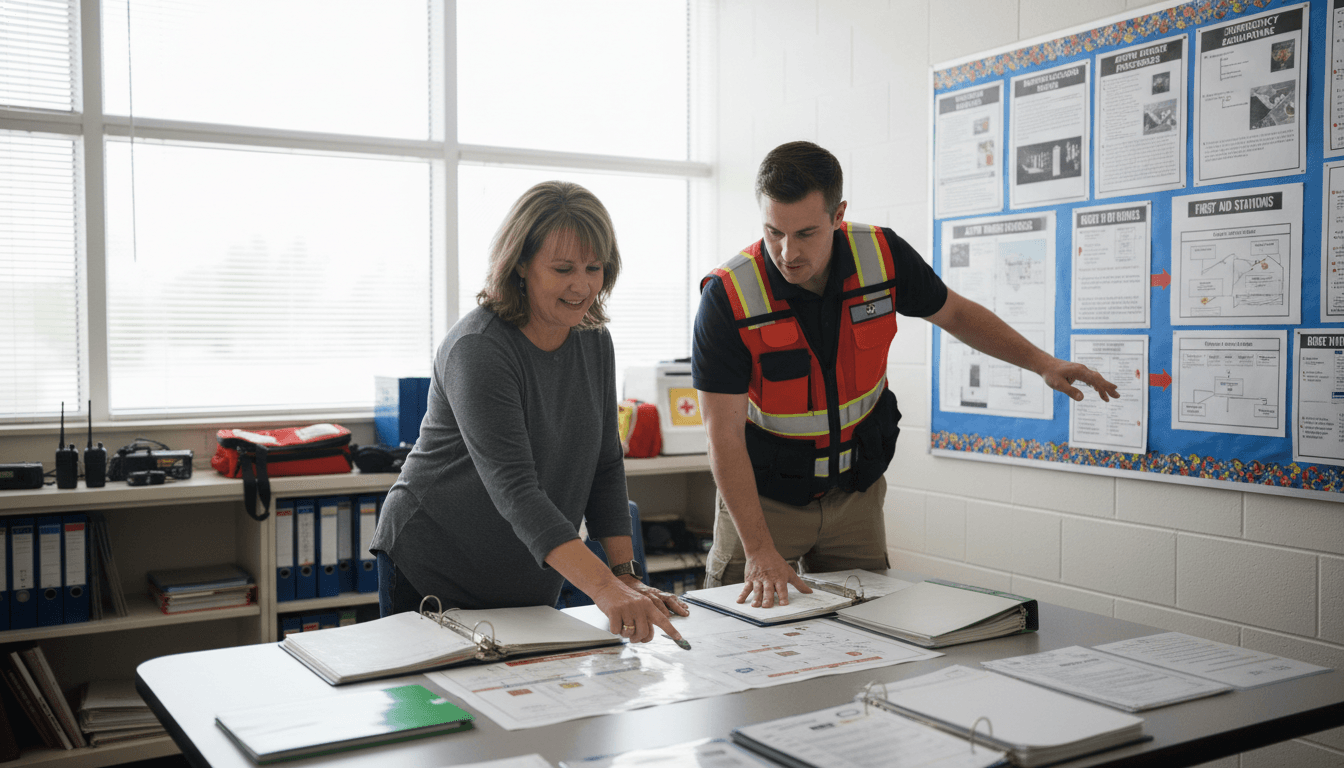
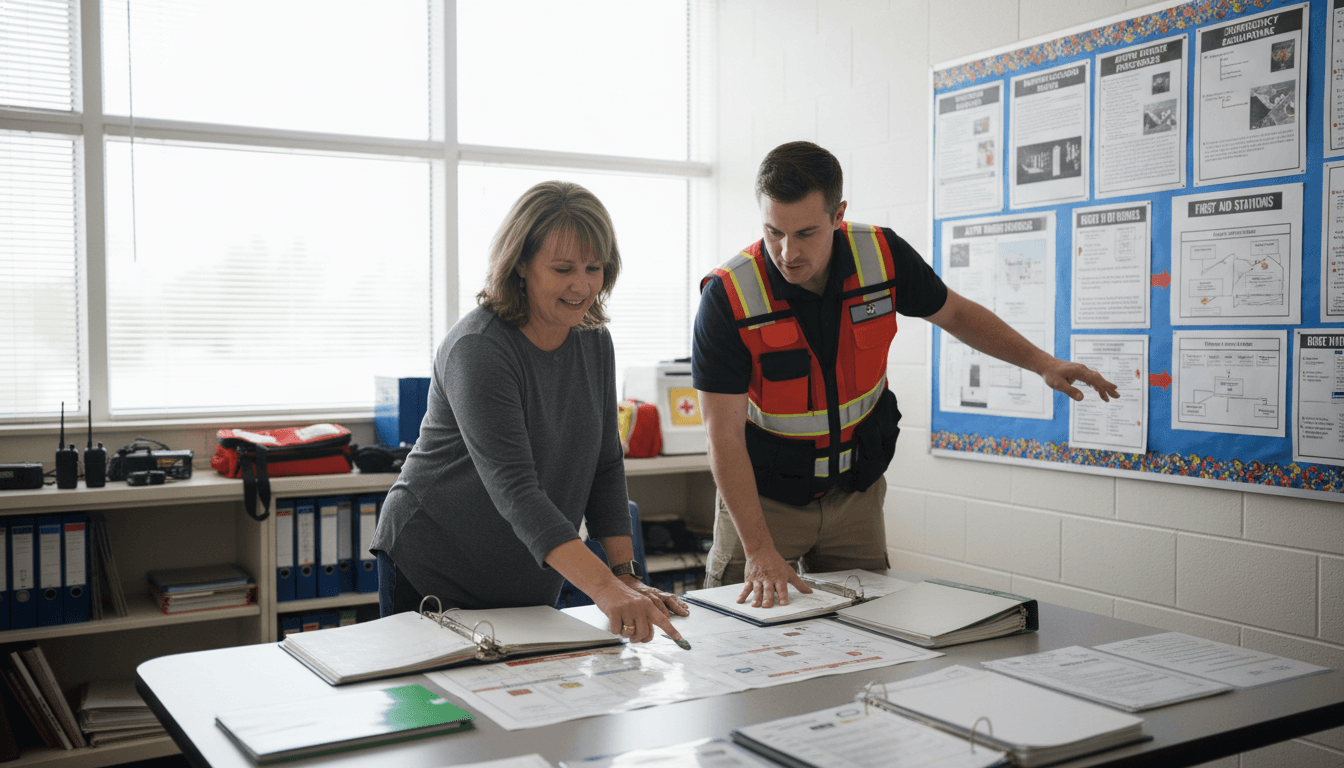
Every school has an emergency operations plan. Most families have never read it and should not be expected to. The plan is an operational document for staff and first responders, not a family communication tool. But families do need a distilled version of what is relevant to them: how to receive information, where to go, and what not to do.
Three Things Every Family Must Know
After years of school safety communication experience, three pieces of information consistently matter most to families during an emergency.
First: how the school will contact them. What platform, what phone number it comes from, and what the message will ask them to do or not do. Families who know this in advance do not have to decide whether to trust an unfamiliar communication channel during an emergency.
Second: where to pick up their child if school is evacuated. The reunification site address, what identification to bring, and what the sign-out process looks like. Reunification is where most family-school emergency coordination breaks down. Clear advance communication prevents most of the chaos.
Third: what not to do during an emergency. Do not call the main office line, which will be occupied with first responders and emergency coordination. Do not drive to the school, which blocks emergency vehicle access. Do not leave work to pick up your child unless directed to do so by school communication.
What Not to Include
The newsletter is not the place to describe every possible emergency scenario or to detail the school's specific security vulnerabilities and response protocols. That information belongs in the operational plan, not in a family newsletter.
Avoid vivid threat descriptions. The goal is to prepare families for their role in an emergency response, not to increase their threat awareness.
Emergency Contact Updates
Every start-of-year safety newsletter should remind families to verify their emergency contact information in the school's system. Include a direct link or instructions for how to update it. Outdated emergency contacts are one of the most significant barriers to effective family-school emergency communication.
The Annual Checklist
End the emergency plan newsletter with a brief family checklist. Three to five items families should do to prepare for their role in school emergency response. Verify emergency contacts. Save the school's phone number in their contacts. Review the reunification site with their child. A specific, actionable list transforms the newsletter from information to preparation.
Get one newsletter idea every week.
Free. For teachers. No spam.
Frequently asked questions
What parts of the school emergency plan should families know about?
Families need to know three things: how they will be contacted during an emergency, where to pick up their child if school is evacuated, and what they should not do during an emergency (such as driving to the school). Everything else in the emergency plan is operational and does not require family knowledge.
How do you communicate emergency procedures without alarming families?
Frame the communication as preparation rather than threat response. 'Here is what you need to know so that you can support your child and coordinate with the school in an emergency' is reassuring. 'Here are all the emergencies that could happen at school' is alarming. Lead with the school's preparedness and give families clear actions, not a threat inventory.
How often should the school share the emergency plan with families?
Once at the start of each school year for all families, and again when anything significant changes. New families who join mid-year should receive the emergency communication as part of their enrollment packet. Annual repetition is appropriate because families turn over and contact information changes.
What is the most common gap in school emergency plan communication with families?
The reunification process. Families are often given a general location for emergency pickup without a clear explanation of what they need to bring, what the process looks like, or how long it might take. Filling this gap in the newsletter prevents the confusion that slows reunification during a real emergency.
How does Daystage support school emergency plan communication?
Principals and safety coordinators use Daystage to send the start-of-year emergency plan newsletter and update it when procedures change. The consistent format ensures all families receive the same critical information regardless of when they enrolled.

Adi Ackerman
Author
Adi Ackerman is a former classroom teacher and curriculum writer with 8 years in K-8 schools. She writes about school communication, parent engagement, and what actually works in real classrooms.
More for School Safety
School Safety Audit Newsletter: Communicating Audit Findings and Improvement Plans to Families
School Safety · 6 min read
Vaping and E-Cigarette Policy Newsletter: What Schools Tell Families About the Nicotine Crisis in Schools
School Safety · 6 min read
Safe Routes to School Newsletter: Communicating Walking and Biking Safety to Families
School Safety · 5 min read
Ready to send your first newsletter?
3 newsletters free. No credit card. First one ready in under 5 minutes.
Get started free