
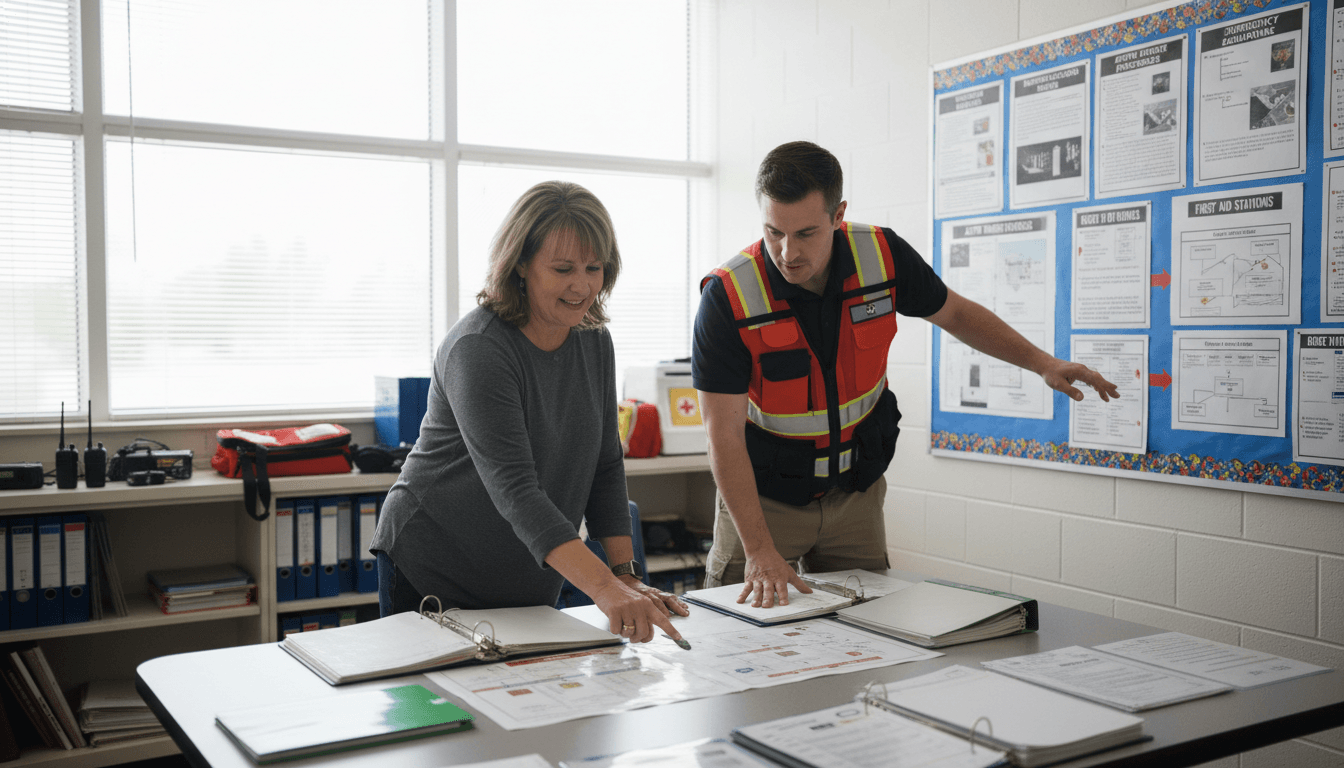
Safe Routes to School Newsletter: Communicating Walking and Biking Safety to Families
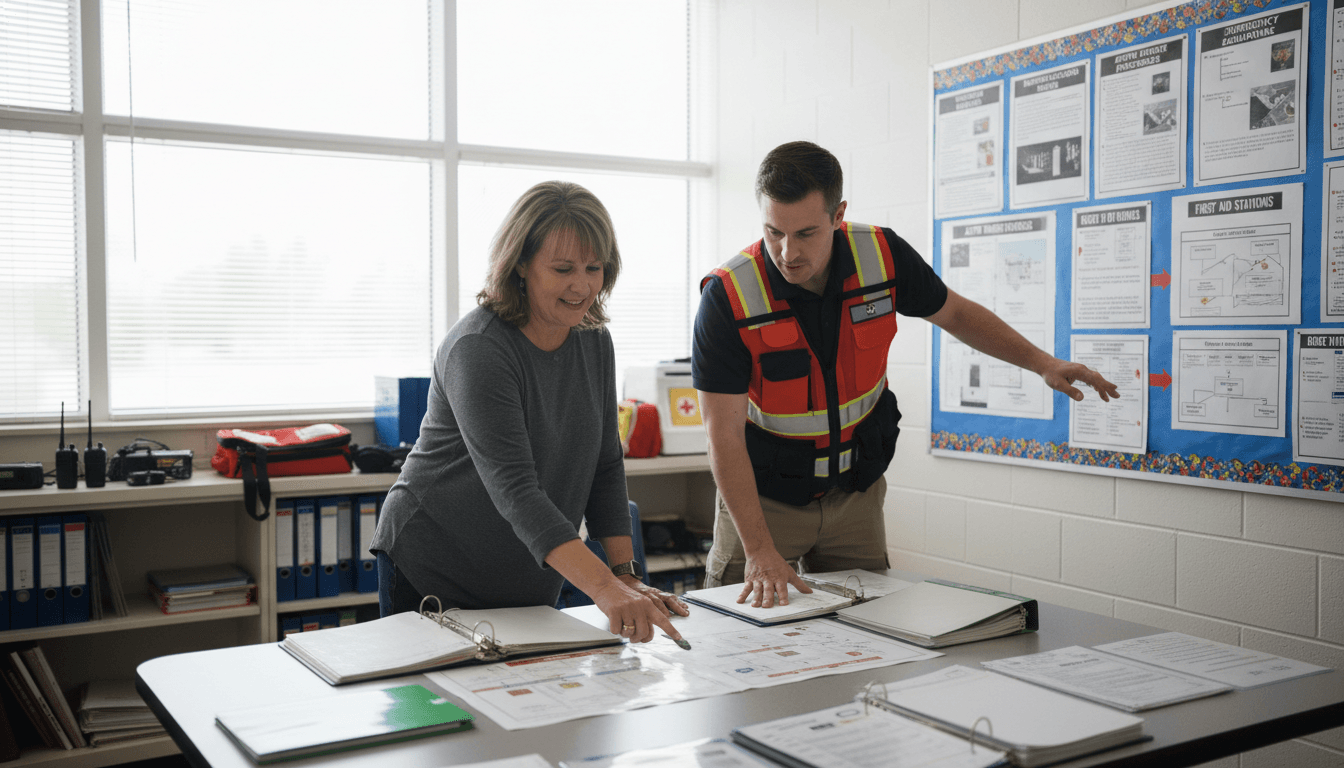
Safe routes to school programs reduce pedestrian injuries, decrease school zone traffic congestion, and improve student health outcomes. They also require families to know specifically which routes are recommended, where crossing guards are stationed, and what to do if a route is hazardous.
A newsletter that communicates this information clearly gets more students walking on safer routes.
Communicating the Route Map
Include a simple map or clear written description of the recommended walking routes to school. For schools in urban areas with complex traffic patterns, a specific route description is more useful than a general "use the sidewalk" instruction. Name the streets that have crossing guards and at what times they are posted.
Route descriptions should be specific enough that a family who just moved to the neighborhood can navigate to school on foot without prior knowledge of the area.
The Walking School Bus
If your school has a walking school bus program, the newsletter is the best way to recruit new participants and communicate the schedule. A walking school bus, where a group of students walks together with one or two adult supervisors, dramatically increases the number of students who walk rather than being driven.
Biking to School
Biking policies and route guidance deserve their own section. Helmet requirements, where bikes can be stored, and the specific biking route if the school has a designated one are all relevant. If the school has a bicycle incentive program or participates in National Bike to School Day, the newsletter is the right vehicle for that communication.
Reporting Route Hazards
A specific, easy process for reporting route hazards is essential. Families who see a broken sidewalk, a missing stop sign, or a poorly timed crosswalk signal at a school crossing need to know where to report it. Name the contact: school safety coordinator, city traffic engineering department, or the Safe Routes to School program coordinator.
Get one newsletter idea every week.
Free. For teachers. No spam.
Frequently asked questions
What should a safe routes to school newsletter include?
A map or description of the approved walking routes with crossing guard locations, biking safety rules and helmet requirements, how families can report hazards on school routes, any infrastructure improvements that have been made recently, and the benefits of walking or biking to school for student health and school traffic reduction.
How do you increase student use of safe walking routes?
Programs that make walking social, like walking school buses where a group of students walks together with adult supervision, consistently increase route usage. The newsletter can promote these programs and make participation easy by including the schedule and contact.
How do you address families who say their neighborhood walking routes are not safe?
Create a clear feedback mechanism and name it in the newsletter. A form or email address where families can report specific route hazards shows that the school is listening. Communicate what happens when a hazard is reported and how it gets addressed.
What biking rules should a safe routes newsletter cover?
Helmet requirements and how to ensure a proper fit, riding in the same direction as traffic, using bike lanes where available, dismounting before crossing at intersections, and where bikes should be stored at school.
How does Daystage support safe routes communication?
Principals and safety coordinators use Daystage to send start-of-year and seasonal safe routes newsletters. The consistent format with a route map or description section makes the newsletter easy for families to reference when planning their children's daily route.

Adi Ackerman
Author
Adi Ackerman is a former classroom teacher and curriculum writer with 8 years in K-8 schools. She writes about school communication, parent engagement, and what actually works in real classrooms.
More for School Safety
School Field Trip Safety Newsletter: What Families Need to Know Before Students Leave Campus
School Safety · 5 min read
School Safety Audit Newsletter: Communicating Audit Findings and Improvement Plans to Families
School Safety · 6 min read
Vaping and E-Cigarette Policy Newsletter: What Schools Tell Families About the Nicotine Crisis in Schools
School Safety · 6 min read
Ready to send your first newsletter?
3 newsletters free. No credit card. First one ready in under 5 minutes.
Get started free