

School Safety Audit Results Newsletter for Families
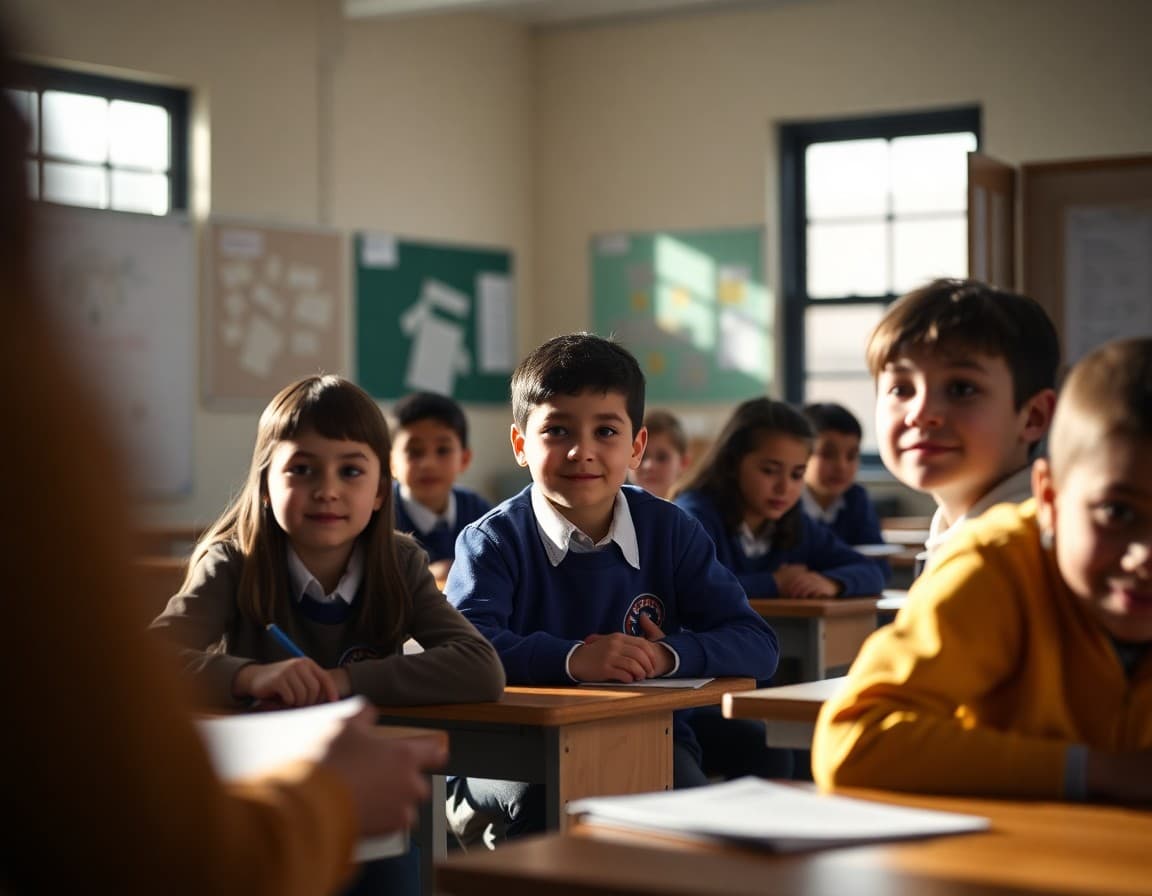
A school safety audit is only as useful as the action it prompts. Publishing a summary of the findings builds family trust, demonstrates that safety is actively managed, and creates accountability for the improvements the school has committed to making.
Open with What Was Audited and Who Did the Assessment
Start by describing the scope of the audit. What was reviewed? Physical infrastructure, emergency procedures, staff training, communication systems, and safety culture are common categories. Name who conducted the assessment: the district safety office, a state agency, or an independent evaluator. Naming the assessor adds credibility. "Our facility was assessed by a certified school security consultant from the state police's Safe Schools initiative" is more meaningful than "we recently completed a safety audit."
Share the Overall Findings Without Sensationalizing
Give families an honest summary. If the audit found that your school is strong in most areas with a few specific gaps to address, say that. Avoid language that minimizes real findings ("everything was basically fine") and language that creates alarm about findings that are already being resolved ("we discovered critical vulnerabilities"). The right tone is: "Here is what was assessed, here is what the evaluators found, and here is what we're doing about it." Matter-of-fact and specific.
Name Areas of Strength
Tell families what your school does well. This is not spin; it's honest communication. If your school scored high on visitor management procedures, staff emergency response training, or exterior lighting, say so. Families who know their school has genuine safety strengths feel more confidence in the overall system. Audit results that only report problems without acknowledging what works leave families with an incomplete and unnecessarily alarming picture.
Be Transparent About Areas Needing Improvement
This is where honesty matters most. Use a template section like this:
"The audit identified the following areas for improvement: [Item 1: description, current status, planned action, and timeline]. [Item 2: description, current status, planned action, and timeline]. [Item 3: description, current status, planned action, and timeline]. Updates on these improvements will be included in future safety communications. If you have questions about a specific finding, contact [administrator name] at [contact]."
Families can accept that a school has gaps when the school also shows them a plan for fixing them.
Describe the Implementation Timeline
For each improvement the school is committed to, name a specific completion target. "Additional exterior lighting on the east side of the building will be installed by December" is more reassuring than "we will address exterior lighting." Timelines create accountability and give families a date to look for follow-up communication. If a timeline depends on budget approval or vendor scheduling, say that and give an estimated range rather than leaving it open-ended.
Explain What the School Cannot Share and Why
Some audit findings should not be published because they describe specific security vulnerabilities. Acknowledge this directly. "The full audit report includes details about specific access points and system configurations that we keep internal to avoid creating a roadmap for someone intending harm. What we're sharing in this newsletter is the summary information that is relevant to families without compromising operational security." This explanation is far better than a vague reference to confidentiality that families may interpret as secrecy.
Connect the Audit to the Ongoing Safety Process
Tell families how often audits occur and what happens between them. "The school safety committee reviews our emergency operations plan quarterly. Our next full safety audit is scheduled for [year]. In the meantime, administrators conduct monthly walk-throughs to monitor the status of physical security." This context shows that an audit is one component of an ongoing process, not a one-time compliance checkbox.
Invite Family Input and Questions
Close by inviting families to share any safety concerns they've noticed that may not have been captured in the formal audit. "If you've noticed a lighting issue, a broken lock, or a gap in supervision during arrival or dismissal, we want to hear about it. Contact [name] at [email or phone]." Families who walk the campus daily sometimes see things that an auditor misses. Treating them as partners in safety observation rather than passive recipients of information makes the overall safety effort more comprehensive.
Get one newsletter idea every week.
Free. For teachers. No spam.
Frequently asked questions
What is a school safety audit?
A school safety audit is a formal evaluation of a school's physical security infrastructure, emergency procedures, staff training, and safety culture. Audits are typically conducted by a trained evaluator from the district, state, or an outside firm. They assess things like camera coverage, entry control systems, drill effectiveness, lighting, fencing, communication systems, and the completeness of the emergency operations plan. Some states mandate annual safety audits; others conduct them every three to five years.
Should schools share safety audit results with families?
Yes, in summary form. Families who receive honest, general results of an audit trust the school's safety commitment more than those who never hear anything. You do not need to publish the full report, which may contain specific vulnerability details better kept internal. A summary that names what was assessed, what the school scored well on, and what improvements are planned is transparent enough to build trust without creating a security vulnerability.
What happens if an audit finds significant safety gaps?
Address significant gaps in the newsletter with directness rather than minimizing language. Name the finding, explain what it means in plain terms, describe the corrective action the school is taking, and give a timeline for completion. Families can handle honest information about a problem being actively addressed. They cannot handle finding out through other channels that the school knew about a significant vulnerability and didn't tell them.
Who conducts school safety audits?
Safety audits may be conducted by district safety coordinators, state police or emergency management agencies, the FBI's Safe Schools Initiative, or independent safety consulting firms. Some school districts partner with CISA, the Cybersecurity and Infrastructure Security Agency, which offers free K-12 school security assessments. Naming who conducted your audit adds credibility to the findings.
How can Daystage help schools communicate audit results to families?
Daystage lets you structure an audit results newsletter clearly with multiple sections and formatting options, making the findings easy to scan and understand. You can also send it to specific audiences, such as the full school community for a summary, or the school safety committee members for a more detailed version. Keeping a record of the communication in Daystage also supports documentation requirements for some state audit programs.

Adi Ackerman
Author
Adi Ackerman is a former classroom teacher and curriculum writer with 8 years in K-8 schools. She writes about school communication, parent engagement, and what actually works in real classrooms.
More for School Safety
Ready to send your first newsletter?
3 newsletters free. No credit card. First one ready in under 5 minutes.
Get started free