
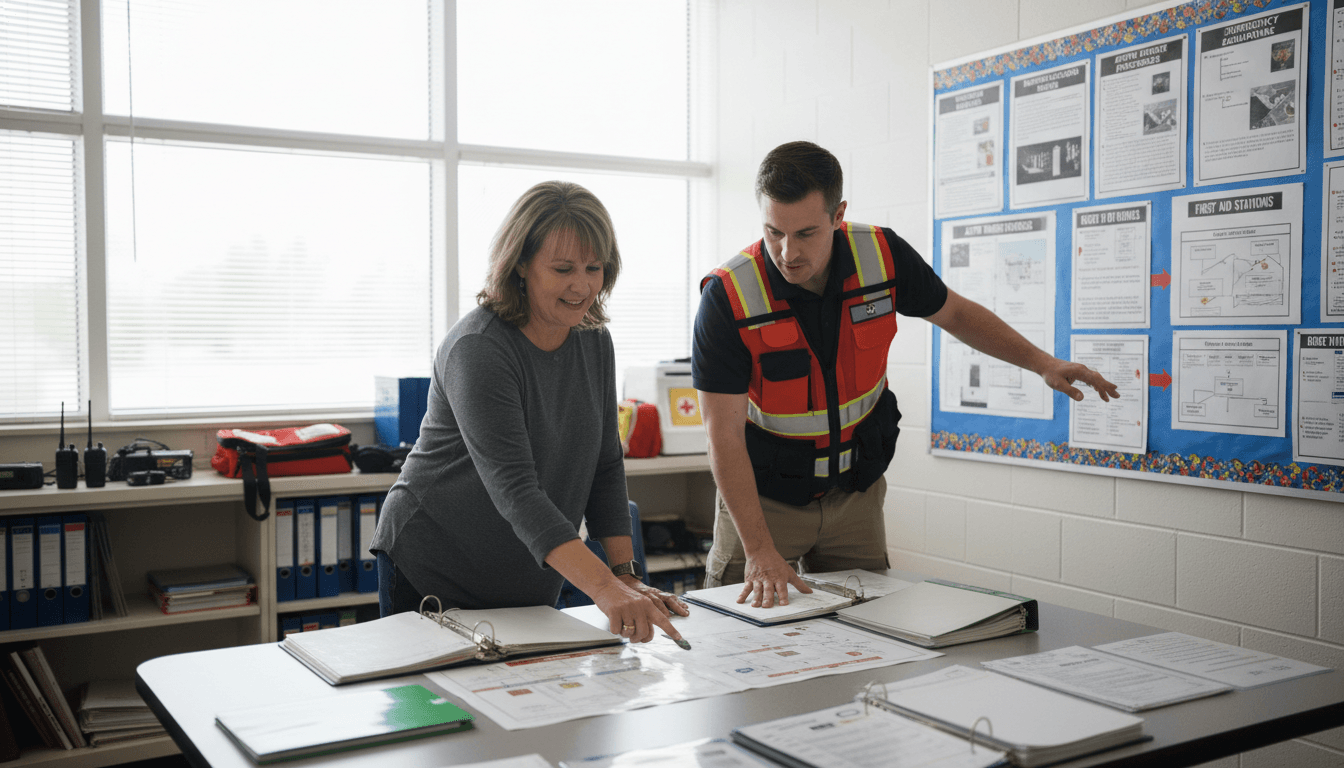
Campus Safety Improvement Newsletter: Sharing Facility and Security Upgrades With the School Community
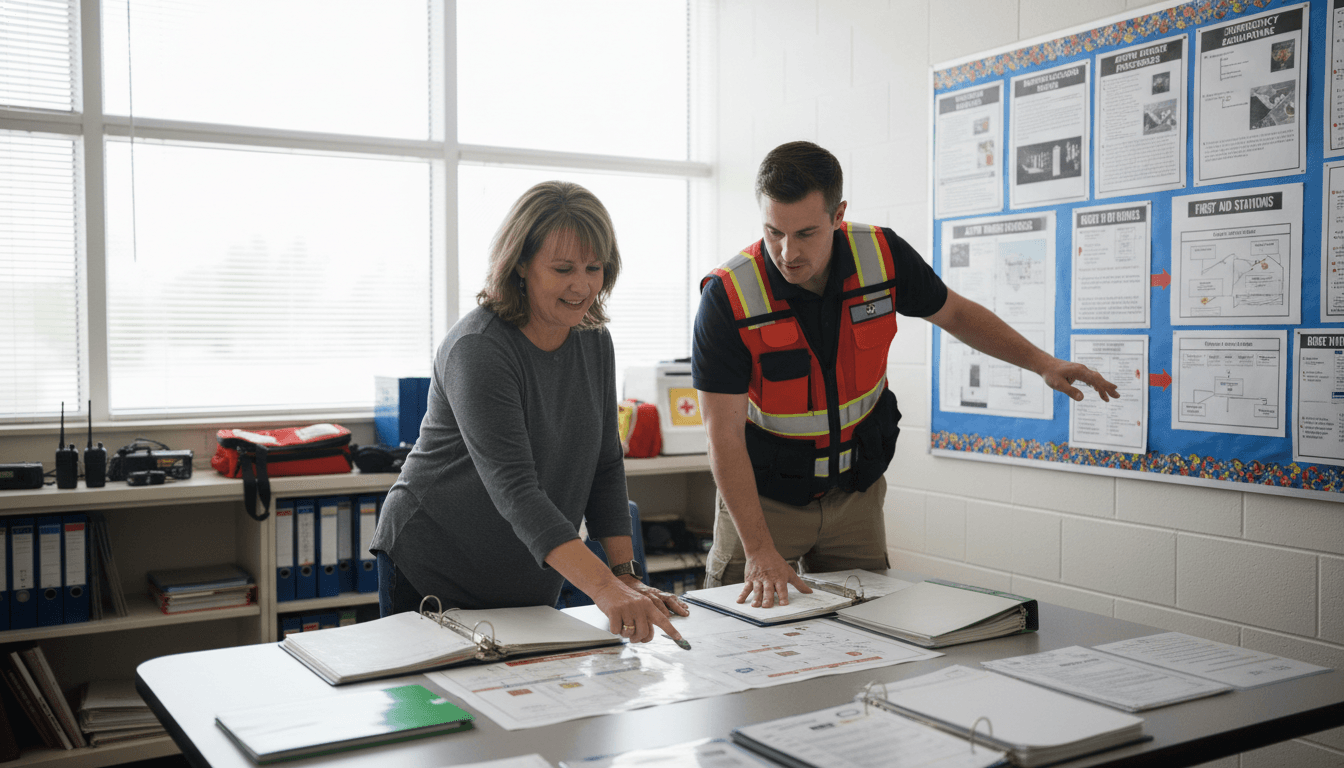
Schools make physical safety investments continuously. New cameras, perimeter upgrades, vestibule renovations, door lock replacements, and outdoor lighting improvements happen across the country in thousands of schools each year. The families who benefit from these investments rarely receive a clear explanation of what changed, why it was needed, and what it accomplishes.
Communicating about campus safety improvements is one of the simplest ways a school can build family confidence in its safety management.
Describing What Changed and Why
Every safety improvement newsletter should answer two questions clearly. What specifically was improved or installed? What specific vulnerability or risk does this improvement address?
"We have completed the installation of a secure vestibule at the main entrance. The vestibule creates a controlled space between the exterior door and the interior of the building. Visitors can enter the vestibule but cannot access the interior of the building until their identity is confirmed and they are buzzed in. This upgrade directly addresses the most significant security gap our last safety assessment identified." This description is specific, connects the improvement to a rationale, and demonstrates that the school is acting on systematic safety review.
Explaining the Funding Source
Safety improvements are sometimes funded through channels that are invisible to families. Grant funding, state safety allocations, bond projects, and capital budget items are all distinct from the operational budget that funds instructional staff and classroom resources. When a school receives a $200,000 perimeter security grant, saying so prevents the assumption that the same money could have been spent on classroom supplies.
Connecting Improvements to the Safety Plan
Safety improvements are most reassuring when they are described as part of a plan rather than as isolated responses. "This project is the second of three phases in our five-year campus safety improvement plan" signals sustained, strategic safety management rather than reactive fixes.
What Comes Next
If there are planned future improvements, briefly noting them builds confidence and keeps families engaged with the school's safety trajectory. A two-sentence note about the next planned improvement and its target timeline is enough.
Get one newsletter idea every week.
Free. For teachers. No spam.
Frequently asked questions
Why should schools communicate about physical safety improvements to families?
Families who see security investments communicated clearly feel more confident in the school's commitment to safety. Improvements that happen without communication are often not noticed or are misunderstood. A new fence without explanation gets questioned. The same fence with communication about why it was installed and what it prevents becomes evidence of proactive safety management.
What physical safety improvements are worth communicating about?
Any change that families will notice when they arrive at school: new fencing, camera additions or upgrades, secure vestibule construction, lighting improvements, panic button installations, or changes to parking and drop-off zones. Changes that are not visible to families but significantly affect safety, like door lock upgrades, are also worth noting when they represent a significant security investment.
How do you explain the funding for safety improvements without making families feel that resources were diverted from education?
Name the funding source specifically. Safety grants, bond funds, and state safety appropriations are distinct from instructional budget resources. Families who know that a fencing project was funded by a state safety grant do not have to wonder whether the money came from classroom supplies.
How often should schools communicate about campus safety improvements?
When improvements are made. This is event-driven communication rather than scheduled. If a significant safety upgrade is completed each year, a newsletter at completion is appropriate. If the school is in a multi-year safety capital improvement plan, an annual update on progress is useful.
Can Daystage support campus safety improvement communication?
Yes. Principals use Daystage to send safety improvement newsletters when upgrades are completed. The consistent format and delivery to the full school community ensures that all families, not just those who happen to notice the change, receive the explanation.

Adi Ackerman
Author
Adi Ackerman is a former classroom teacher and curriculum writer with 8 years in K-8 schools. She writes about school communication, parent engagement, and what actually works in real classrooms.
More for School Safety
School Resource Officer Newsletter: Introducing SRO Programs and Building Community Trust
School Safety · 6 min read
Earthquake Preparedness Newsletter: Communicating Drop-Cover-Hold On Procedures to School Families
School Safety · 5 min read
School Bathroom Supervision Newsletter: Communicating Student Safety Policies in Unsupervised Spaces
School Safety · 5 min read
Ready to send your first newsletter?
3 newsletters free. No credit card. First one ready in under 5 minutes.
Get started free