
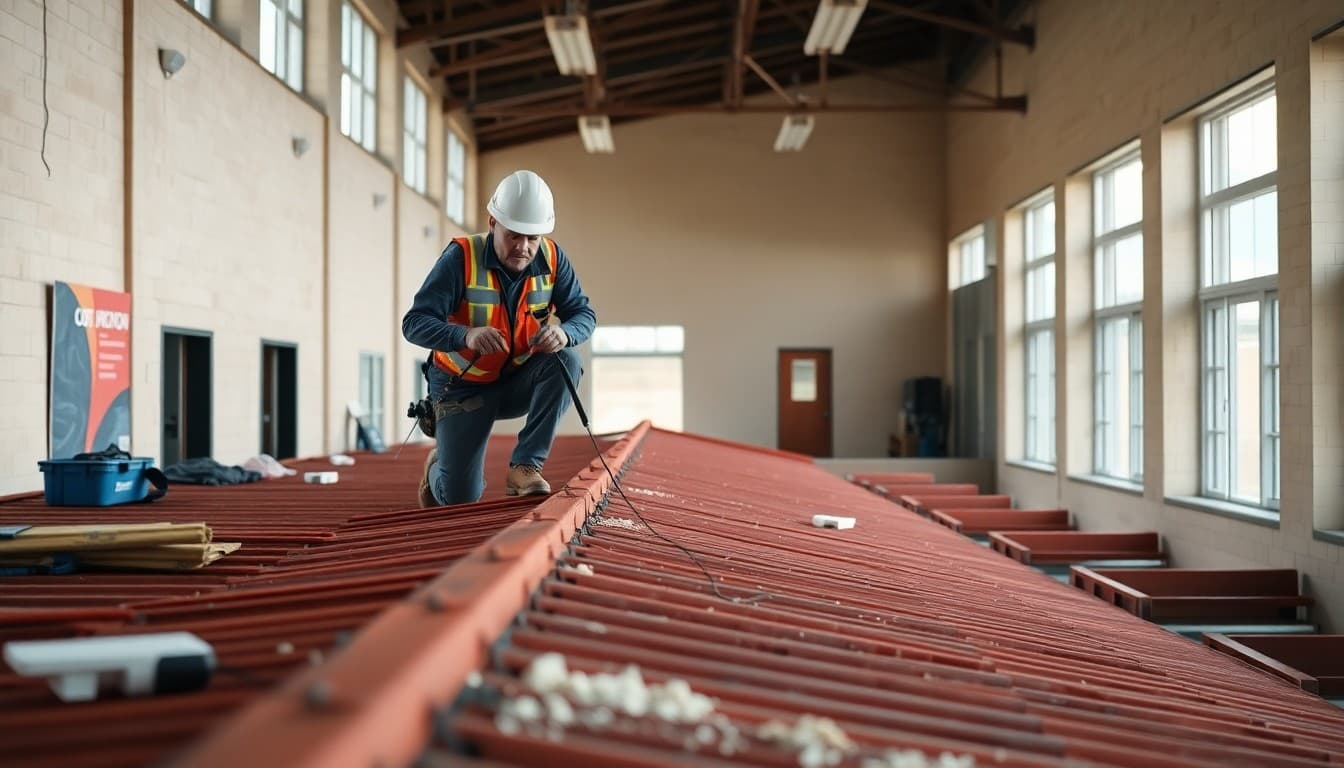
School Newsletter: Roof Damage Update and Safety Plan

Roof damage is one of the most visible building problems a school can have, and families learn about it quickly. A notification that gets ahead of speculation, describes what happened, and explains the repair and safety plan keeps the conversation grounded in facts rather than rumors about how bad the damage really is.
Communicate the Damage As Soon As It Is Assessed
Once the roof damage has been assessed and the immediate safety situation is known, send a notification to families. You do not need to wait for repairs to begin or be completed. A prompt notification that describes the damage and the current safety status is more valuable than a delayed notification that tries to present a complete resolution picture.
Describe the Location and Extent of Damage
Be specific about which part of the roof was damaged and what areas of the building are affected. Whether the damage is over a corner of the gymnasium or over a classroom wing makes a significant difference to families. Specific information allows families to understand the actual impact on their child's school day.
Explain What Caused the Damage
If the damage was caused by a storm, a structural issue, or age-related deterioration, say so. Families who understand the cause can better assess whether this is a one-time event or a sign of a larger building issue. If you cannot yet determine the cause, say so and commit to sharing that information when it is known.
Describe Immediate Safety Measures
If areas are closed off, if classrooms have been relocated, or if temporary waterproofing has been applied, describe those measures. Families want to know that students are not being asked to work in an area where they could be harmed by falling material or water intrusion. Specific protective measures are more reassuring than general assurances that "the area is safe."
Address Instructional Impact
If any classes or programs have been relocated, describe where they are being held and whether the schedule is affected. If the school gym, library, or cafeteria is temporarily unavailable, explain how that affects the daily schedule and what the alternative arrangements are.
Provide the Repair Timeline
Share the estimated repair timeline with the caveat that unforeseen conditions can affect it. Families who have a realistic expectation of when work will be complete are more patient with the process than families who have no timeline at all. Commit to updates if the timeline changes significantly.
Reassure Families About Building Maintenance Standards
A brief statement about the district's building maintenance program and the process used to assess and address the damage demonstrates that the school manages its facilities systematically. This is particularly important if the damage could be interpreted as a sign of neglect.
Daystage makes facility update communications easy to format and send. A clear, professionally organized newsletter that includes the damage description, safety plan, and repair timeline communicates confidence and competence. Families who receive this kind of communication trust the school to manage building issues responsibly.
Get one newsletter idea every week.
Free. For teachers. No spam.
Frequently asked questions
Do schools need to notify families about roof damage?
Yes, when the damage affects occupied areas of the building, creates water intrusion that could affect classrooms or safety, or requires closure or relocation of any student area. Families who learn about building problems from students deserve an official communication that explains what is happening and what is being done.
What should the roof damage notification include?
Describe the area affected, what caused the damage, what the immediate safety measures are, whether any instructional areas are affected, the repair timeline, and how families will be updated as work progresses.
Should the school close during roof repairs?
Only if the damage creates a safety hazard for occupants. Minor repairs on a section of roof that does not threaten occupied spaces typically do not require closure. If rain intrusion is affecting classrooms or hallways, or if the structural integrity of an area is in question, that area should not be occupied until cleared by an engineer.
How do you communicate roof repairs without making families question overall building safety?
Describe the specific, isolated nature of the damage. Explain what routine maintenance or repair process is involved. Contextualize it as a building management situation being handled properly, not a sign of systemic neglect.
How does Daystage support facility safety communication?
Daystage allows schools to send formatted building update newsletters with photos, timeline details, and contact information for families with specific questions. A professional, organized newsletter format reassures families that the situation is being managed systematically.

Adi Ackerman
Author
Adi Ackerman is a former classroom teacher and curriculum writer with 8 years in K-8 schools. She writes about school communication, parent engagement, and what actually works in real classrooms.
More for School Safety
School Newsletter: Air Quality and Mold Concern Communication
School Safety · 6 min read
School Newsletter: Natural Disaster School Closure Communication
School Safety · 6 min read
Campus Safety Improvement Newsletter: Sharing Facility and Security Upgrades With the School Community
School Safety · 5 min read
Ready to send your first newsletter?
3 newsletters free. No credit card. First one ready in under 5 minutes.
Get started free