
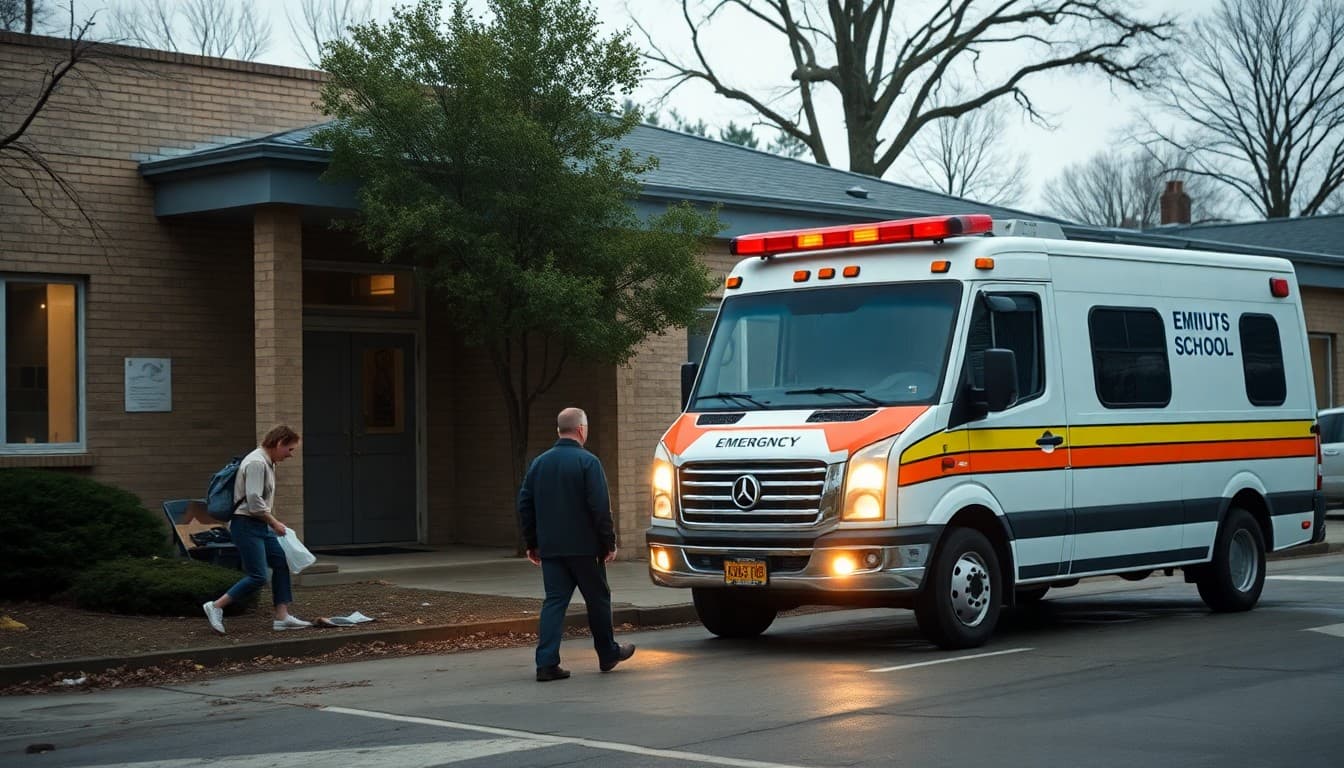
School Newsletter: Natural Disaster School Closure Communication
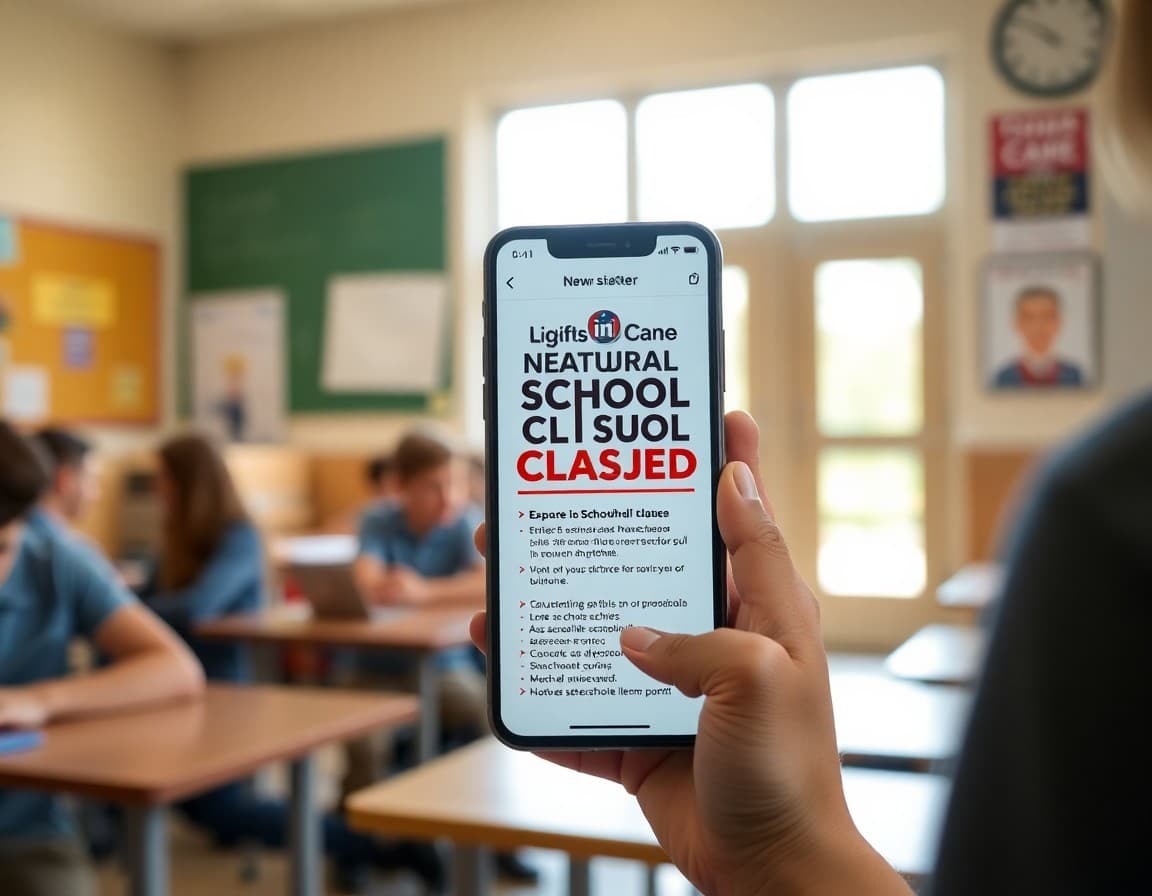
Natural disaster closures create a communication challenge that goes beyond a typical snow day notice. The circumstances are more serious, the timeline is uncertain, and families may themselves be affected by the same event the school is responding to. Communication during a natural disaster closure needs to be fast, clear, and genuinely useful to families who may be under stress.
Send the Closure Notice As Soon As the Decision Is Made
Do not wait for a complete picture before sending the initial closure notice. Families need to know as early as possible so they can arrange alternative childcare, adjust work plans, and prepare for an uncertain timeline. The first message should confirm the closure, state the known duration, and promise follow-up communication as the situation develops.
Explain the Reason Clearly
Name the type of disaster and explain specifically why it has resulted in a school closure. Whether the building sustained damage, utilities are unavailable, roads are impassable, or the building is serving as an emergency shelter, be specific. Vague closure notices produce anxious calls from families wondering if the situation is more serious than stated.
Outline What Students Should Do
Describe your plan for student learning during the closure. If remote learning will be available, provide the platform and schedule. If the closure is expected to be brief and no remote learning is required, say so. Families with working parents need to know immediately whether their child will have schoolwork during the closure or whether they need to arrange full-day supervision.
Share Community Safety Resources
Natural disasters often affect the surrounding community at the same time they affect the school. Include local emergency shelter locations, the Red Cross regional contact, local government emergency hotlines, and FEMA resources if the event is large enough. Families in crisis will turn to the school newsletter as a trusted source, and that trust is worth honoring.
Commit to a Communication Schedule
Tell families how frequently they will receive updates and through which channels. For example: daily updates by 7 PM, sent via newsletter and posted to the school website. A communication schedule prevents the flood of calls that comes when families do not know when to expect news. Then honor that schedule even if the update is only to confirm that the situation has not changed.
Describe the Reopening Process
Explain what conditions need to be met before the school can reopen and who makes that determination. Families understand that the timeline may be outside the school's control, but they want to know what the process looks like and who is responsible for it.
Acknowledge the Difficulty for Families
If the disaster is significant, acknowledge that families may be dealing with its effects beyond school logistics. A sentence that recognizes the broader impact without dwelling on it signals that the school sees families as whole people, not just notification recipients.
Daystage lets you send a natural disaster closure newsletter from your phone within minutes of making the decision. Pre-built templates mean you are filling in the specifics rather than drafting from scratch during a crisis. That speed and consistency is what families need from their school during difficult situations.
Get one newsletter idea every week.
Free. For teachers. No spam.
Frequently asked questions
What should a natural disaster school closure notice include?
Include the reason for the closure, the expected closure duration, how families will receive updates, what to do with students who need supervision, whether remote learning will be available, and how to reach the school during the closure.
How quickly should families be notified of a disaster-related school closure?
As soon as the decision is made, even if all details are not yet finalized. An early notification with a promise of updates is better than waiting for complete information. Families who learn about closures through social media before the school communicates lose confidence in official channels.
Should the closure notice include safety resources for affected families?
Yes. If the disaster affects the surrounding community, include local emergency shelter information, FEMA resources, Red Cross contacts, and community support hotlines. The school newsletter becomes a trusted source during disasters, and community resources belong there.
How do you communicate a phased reopening after a natural disaster?
Provide a clear timeline with conditions. For example: 'We expect to reopen on Monday if building inspections are completed and utilities are restored. We will send an update by Sunday evening confirming or revising this plan.' Specific commitments with fallback communication plans reduce family anxiety.
How does Daystage support disaster communication?
Daystage allows administrators to send emergency notifications quickly from any device. During a disaster, you may not be at your desk. Mobile-friendly newsletter tools mean the closure notification goes out from wherever you are, reaching all families within minutes.

Adi Ackerman
Author
Adi Ackerman is a former classroom teacher and curriculum writer with 8 years in K-8 schools. She writes about school communication, parent engagement, and what actually works in real classrooms.
More for School Safety
Ready to send your first newsletter?
3 newsletters free. No credit card. First one ready in under 5 minutes.
Get started free