
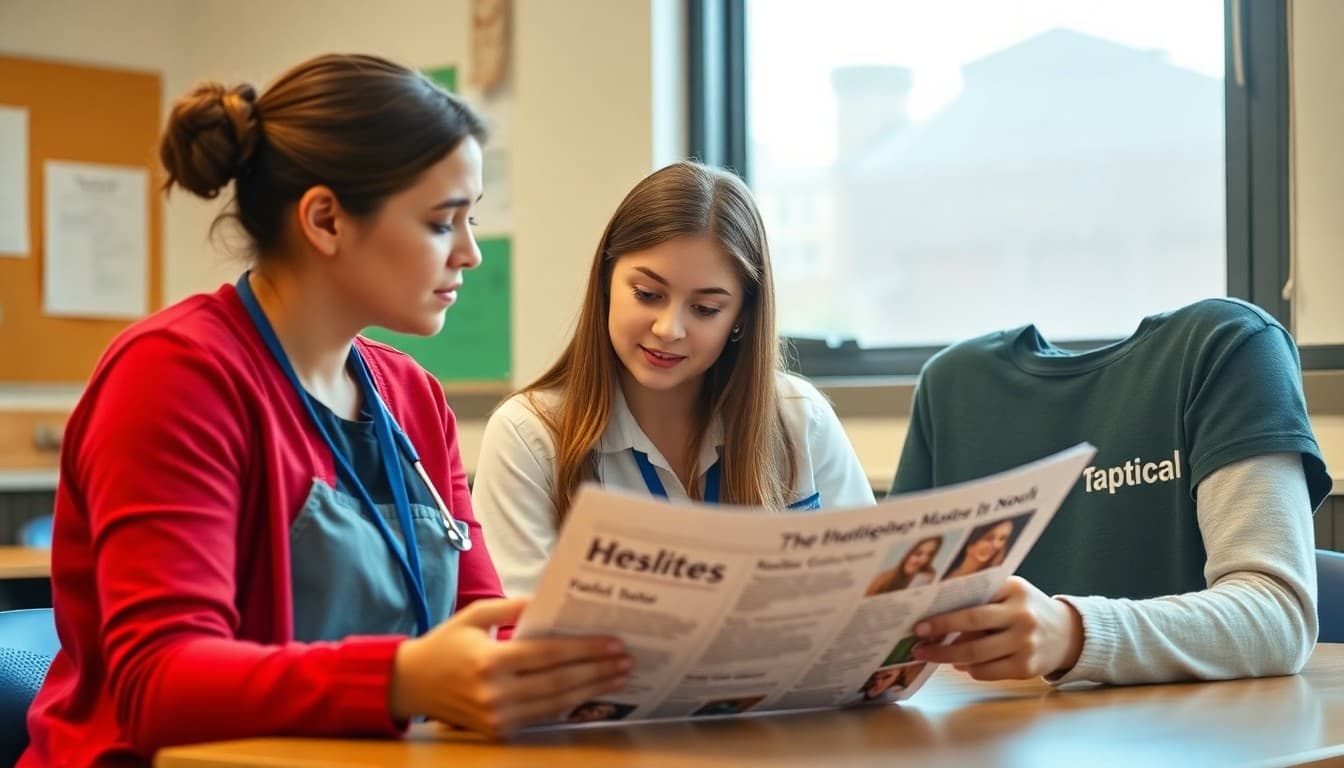
Middle School Health Newsletter: Adolescent Health Communication for Families

Middle school is a distinctive health communication context. Students are going through puberty, forming health habits that will last a lifetime, and beginning to take more ownership of their own health decisions. Families are navigating a period when their child wants more privacy and independence, which creates real challenges for home-school health communication. A thoughtful middle school health newsletter acknowledges all of this directly.
Adolescent Mental Health
Middle school is when anxiety, depression, and other mental health challenges often first emerge in students. The health newsletter is an important place to address this directly: what the warning signs look like in adolescents (often different from adult presentations), what school resources are available, and how families can initiate mental health conversations with a young teen who may be reluctant to talk. Families who receive this information proactively are better equipped to recognize problems early and respond helpfully.
Puberty and Adolescent Development
Health classes will cover puberty education in detail. The school newsletter is not the place for that content. What the newsletter can do is let families know that the health curriculum covers these topics, what the approximate timing is, and how to extend those conversations at home. It can also make clear that the school nurse is available for private, confidential conversations with students who have questions or concerns.
Sports Physicals and Activity Clearance
Middle school is when most students begin organized sports, and sports physicals are required for participation. The health newsletter should communicate the deadline for submitting sports physical forms, what the physical needs to cover, and which specific conditions require additional medical clearance before participation is approved. Families who miss these deadlines sometimes end up with students who cannot participate in tryouts or first practices, which is avoidable with early communication.
Sleep and Screen Time
Research is consistent that middle schoolers are chronically sleep-deprived, largely due to late-night screen use. The health newsletter is an appropriate place to share the recommended sleep duration for this age group (8-10 hours), the specific impact of sleep deprivation on academic performance and emotional regulation, and practical strategies for families: device charging outside the bedroom, consistent bedtimes even on weekends, and winding down routines that do not involve screens.
Nutrition and Body Image
Middle school is also when disordered eating often begins, and body image concerns are common. The health newsletter should address nutrition in terms of energy, growth, and athletic performance rather than weight or appearance. Including a brief note on the signs of disordered eating and where families can turn for help is appropriate and potentially life-saving for the few families who need it.
Substance Prevention
Middle school is when many students have their first exposure to alcohol, tobacco, and other substances. The health newsletter can include straightforward, non-alarmist information about the school's substance prevention program, conversation starters for families, and resources for families who are concerned about a student's substance use. Early, calm family conversations about substances are one of the most evidence-supported prevention strategies available.
Student Privacy and Confidentiality
Middle school students are beginning to have legitimate expectations of health privacy. The newsletter is an appropriate place to explain the school's confidentiality policies for health visits, what the nurse is required to report versus what is kept confidential, and how this protects students while keeping families appropriately informed. Students who understand these boundaries are more likely to seek care when they need it.
Get one newsletter idea every week.
Free. For teachers. No spam.
Frequently asked questions
What health topics are most important for middle school health newsletters?
Puberty and adolescent development, mental health and stress management, sports physical requirements, nutrition and body image, substance prevention education, and the transition to more independent self-care are all relevant. Middle school is when health habits form that persist into adulthood.
How do middle school nurses address mental health in family newsletters?
Be direct without being alarmist. Describe the warning signs of anxiety and depression in adolescents, explain what services the school provides, and give families specific guidance on how to initiate conversations with their child about mental health. Middle school mental health challenges are often first visible to families, and they need practical tools.
How do you communicate about puberty in a school health newsletter?
Normalize it, use accurate terminology, and provide resources rather than detailed education in the newsletter itself. The newsletter should make clear that health education will cover these topics in class, that the school nurse is available for private conversations, and where families can find additional resources.
What sports physical information belongs in a middle school health newsletter?
Deadlines for sports physical forms, what the physical needs to document, which conditions require additional clearance, and how families can submit completed forms. Many families do not know that sports physicals are different from annual physicals in what they assess.
What tool works best for middle school health newsletters?
Daystage delivers health newsletters to families in a readable, professional format. For middle school families who may be less engaged with school communications than elementary families, the clean design and consistent delivery help the newsletter stand out in a busy inbox.

Adi Ackerman
Author
Adi Ackerman is a former classroom teacher and curriculum writer with 8 years in K-8 schools. She writes about school communication, parent engagement, and what actually works in real classrooms.
More for School Nurses
Ready to send your first newsletter?
3 newsletters free. No credit card. First one ready in under 5 minutes.
Get started free