
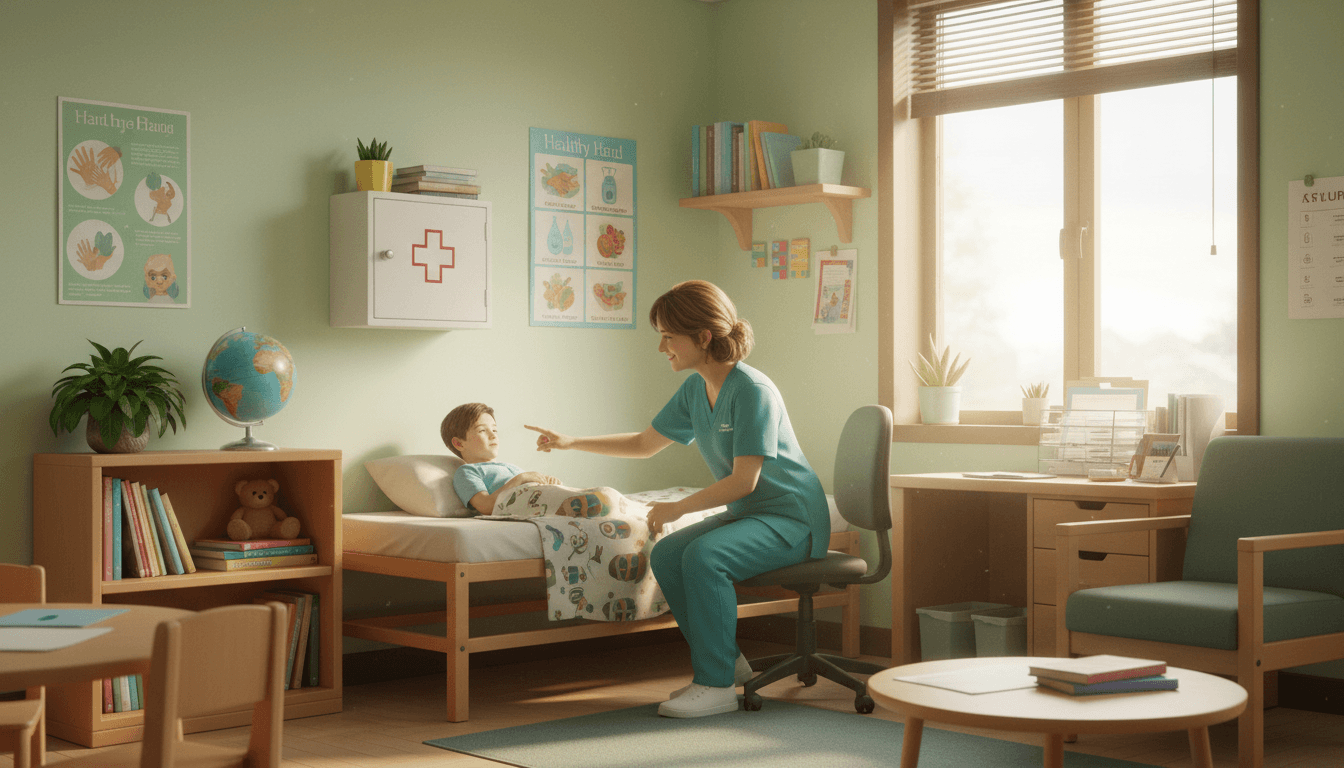
Mental Health Awareness Newsletter from the Health Office: A School Nurse Guide
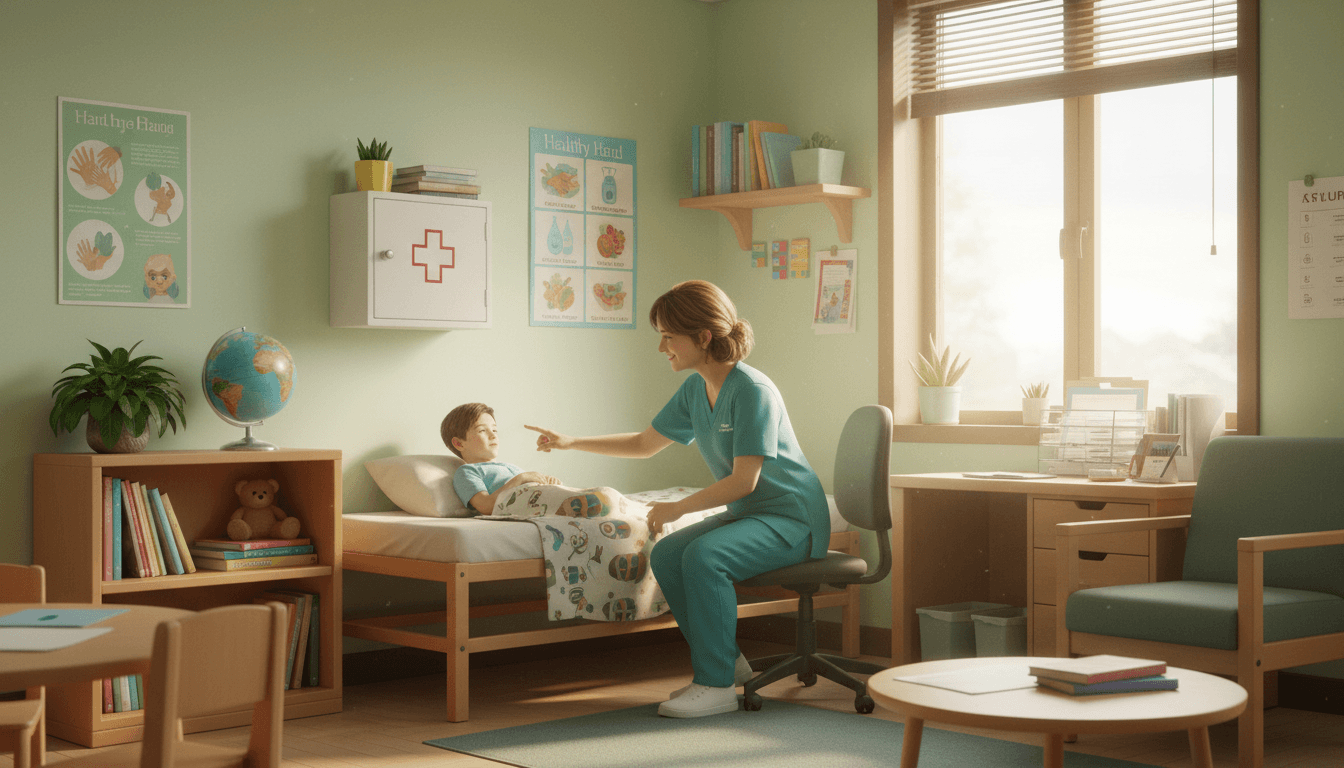
School nurses see the physical side of mental health every day. A student who visits the health office with a stomachache before a test, a weekly headache that only appears on Mondays, or persistent fatigue without a medical cause is often showing physical signs of stress, anxiety, or social difficulty. The health office is uniquely positioned to connect those physical presentations to the mental health conversation families need to have.
Frame mental health through the body, not the diagnosis
Families who are not ready to engage with words like "anxiety" or "depression" often respond well when the conversation starts with what the body is doing. A newsletter section that explains how stress activates the sympathetic nervous system and produces real physical symptoms is not alarming. It is informative. It normalizes the connection between emotional state and physical health and opens the door for families to talk to their child about what they are experiencing.
Cover sleep as a mental health issue, not just a wellness tip
Sleep is the single most evidence-supported intervention for adolescent mental health and academic performance. A newsletter section on sleep duration by age group, the specific academic and emotional effects of sleep deprivation, and practical steps families can take to protect sleep gives families something concrete to act on. Most families know sleep is important. Telling them what it is costing their child when they do not get enough is what motivates behavior change.
Tell families what a mental health visit to the health office looks like
Many families do not know that students can come to the health office for stress and anxiety symptoms, not just fevers and injuries. Explaining that the health office provides a quiet space, a brief check-in, and a referral to the counselor when appropriate tells families and students that there is a door open to them. This single piece of information increases help-seeking behavior more than any clinical description of mental health conditions.
Address the physical signals that warrant a check with a doctor
Not every stomachache is anxiety. Not every headache is stress. Part of the nurse's role is helping families know when a physical symptom needs a medical evaluation versus when it is more likely to benefit from a counseling referral or a conversation at home. A brief guide to this distinction, kept general and not diagnostic, is one of the most useful things a health office newsletter can provide.
Share local and national resources without overwhelming
One or two resources per newsletter is the right amount. The Crisis Text Line, the school counselor's contact information, and any district mental health resources are the most useful. A long list of hotlines with no context gets ignored. A single well-explained resource that families can actually use gets saved.
Connect back to the counselor for anything clinical
Close the mental health section of every newsletter with a clear handoff. Families who want to talk about what they are seeing at home should contact the school counselor. The health office can support the physical side and the nurse can make a warm referral, but clinical mental health support is the counselor's role. Making that handoff explicit in the newsletter removes confusion about who families should call first.
Get one newsletter idea every week.
Free. For teachers. No spam.
Frequently asked questions
Why should the health office send mental health newsletters if there is a counselor?
School nurses see students presenting with physical symptoms that often have a mental health component: stomachaches before tests, headaches during social conflict, fatigue linked to anxiety or poor sleep. The health office perspective on mental health fills a different role than the counselor's and reaches families who may not engage with counseling resources.
What mental health topics belong in a school nurse newsletter?
Sleep and its connection to mood and focus, physical symptoms that can signal stress or anxiety, when a stomachache or headache warrants a medical evaluation versus a counseling referral, and how families can support mental health at home through routine and physical activity. Keep the angle physical-to-mental, which is the nurse's natural lane.
How do you write about mental health without overstepping the counselor's role?
Stay in the physical-emotional connection lane. Write about what the body does under stress, what sleep deprivation does to a student's focus and mood, and how physical wellness habits support mental health. Direct families to the school counselor for any clinical mental health concerns. The handoff is the right move.
When should schools send mental health newsletters from the health office?
May during Mental Health Awareness Month is an obvious opportunity. October and January are also good windows when stress levels in students tend to rise. A brief mental health section in a regular monthly newsletter is more sustainable than a standalone mental health issue once a year.
Does Daystage make it easy to include mental health resources in newsletters?
Yes. Daystage supports rich newsletter content including links to external resources. You can include links to district mental health pages, local crisis lines, and national resources like the Crisis Text Line within your newsletter without any technical setup required.

Adi Ackerman
Author
Adi Ackerman is a former classroom teacher and curriculum writer with 8 years in K-8 schools. She writes about school communication, parent engagement, and what actually works in real classrooms.
More for School Nurses
Parent Health Education: What School Nurses Want Every Family to Understand
School Nurses · 5 min read
AED and Emergency Equipment Newsletter: Communicating School Emergency Readiness to Families
School Nurses · 5 min read
School Health Committee Newsletter: Communicating the Work of Your Health Advisory Team
School Nurses · 5 min read
Ready to send your first newsletter?
3 newsletters free. No credit card. First one ready in under 5 minutes.
Get started free