
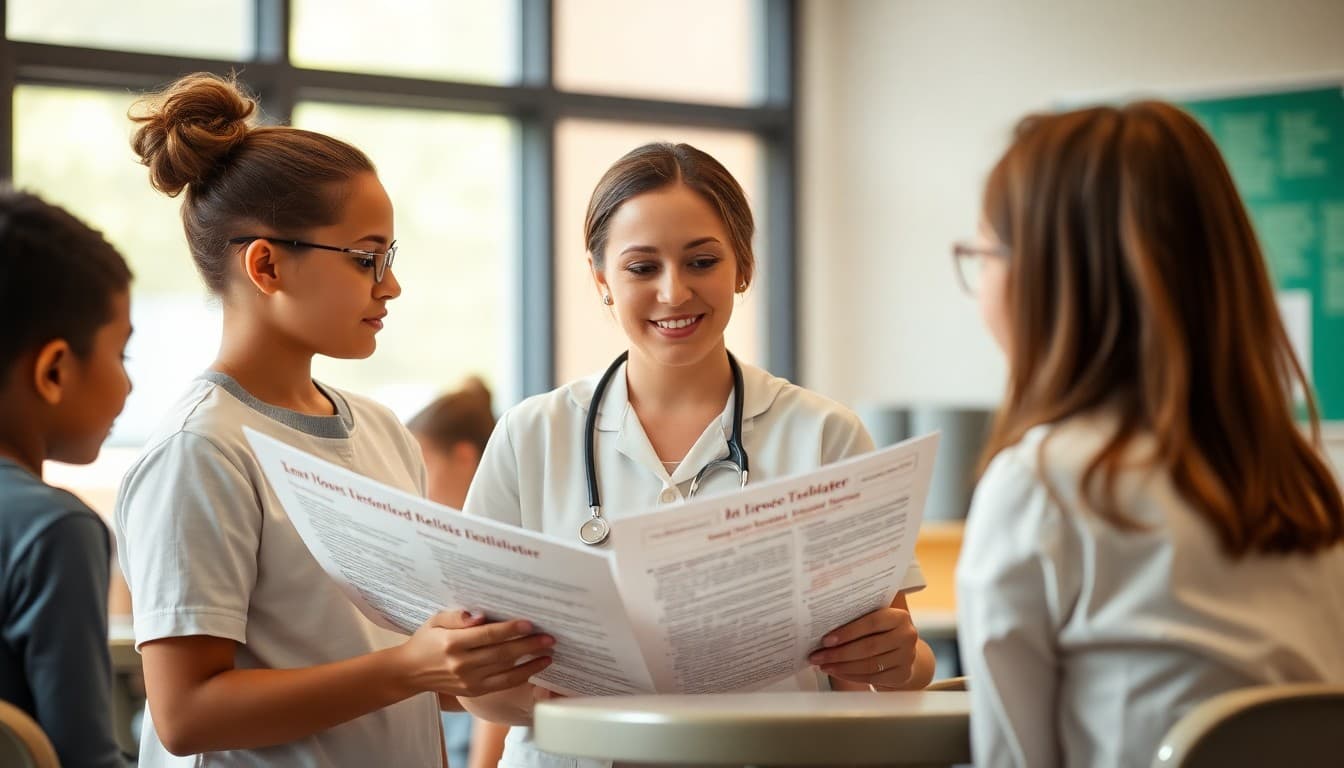
Elementary School Health Newsletter: Age-Appropriate Health Communication
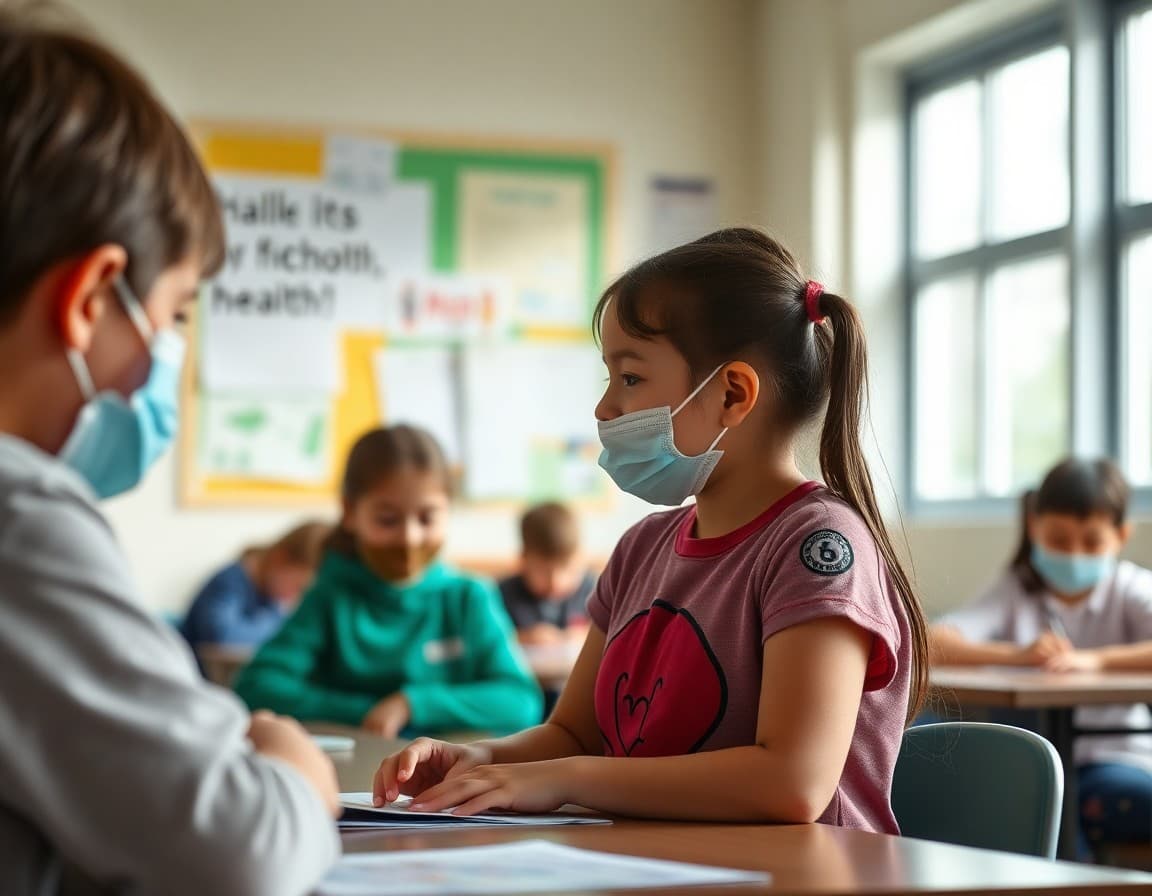
Elementary school families are generally new to navigating school health systems. Many parents of kindergartners are encountering immunization requirements, illness exclusion policies, and health office protocols for the first time. A clear, consistent health newsletter from the elementary school nurse builds the knowledge base that makes families confident partners in their child's health at school.
Illness Exclusion Policies
The question most elementary school families have, but often do not ask, is: when should my child stay home? A health newsletter that answers this question clearly, with specific criteria rather than vague guidance, saves enormous confusion. State the fever threshold, the 24-hours-fever-free rule, the conditions that require a doctor's note before return, and how to notify the school office of an absence. Families who know the rules make better decisions and feel less judged when they call to ask about a borderline situation.
Handwashing and Basic Hygiene
Elementary-age children are learning hygiene habits that will serve them for life, and school plays a significant role in that learning. A brief section on handwashing technique (not just reminding kids to wash hands, but teaching the 20-second method), when to wash hands at school, and how families can reinforce the practice at home connects school health education to home practice. This is especially valuable during cold and flu season.
Vision and Hearing Screening
Elementary schools typically conduct annual vision and hearing screenings, and many students who fail these screenings do not get appropriate follow-up care. The health newsletter should communicate when screenings are happening, how results will be shared, and what families should do if their child receives a referral. Emphasize that a referral does not necessarily mean a problem, but that follow-up with an eye doctor or audiologist is important to determine if any support is needed.
Allergy Awareness and Food Safety
Food allergies are common in elementary school classrooms, and managing them requires family cooperation. The health newsletter is an appropriate place to explain the school's allergy policy, remind families about snack and birthday treat guidelines, and describe what families of students with allergies need to have on file in the health office. Clear communication prevents the accidental exposures that create both health risks and significant distress.
Mental Health and Emotional Wellness
Elementary-age children experience stress, anxiety, and emotional challenges, often without the vocabulary to express them clearly. The health newsletter is an appropriate place to introduce families to the school's counseling services, describe signs that a child may need support, and normalize the process of asking for help. Families who know these resources exist before a crisis occurs are much more likely to reach out promptly when their child needs support.
Immunization Reminders
Elementary school has specific immunization checkpoints, particularly at kindergarten entry and again around fifth grade. Including annual reminders about which vaccines are required for which grade levels, and what the deadline for documentation is, prevents the last-minute scrambles that delay enrollment. A brief, grade-specific immunization checklist in the fall newsletter is one of the highest-utility things an elementary school nurse can include.
Building a Health Partnership with Families
The most effective elementary health newsletters position the school nurse as a genuine partner in children's wellbeing rather than just a policy enforcer. A friendly, direct tone that acknowledges families as caring people making reasonable decisions, and that offers clear guidance rather than just rules, builds the kind of relationship that makes parents call the health office with questions rather than making decisions without information. Daystage makes consistent, professional health newsletters achievable without significant production time.
Get one newsletter idea every week.
Free. For teachers. No spam.
Frequently asked questions
What health topics are most relevant for elementary school families?
Illness exclusion policies, handwashing and hygiene basics, vision and hearing screening results and referrals, head lice protocols, allergy management, immunization requirements, and age-appropriate mental health and emotional wellness content for K-5 families.
How do elementary school nurses communicate illness exclusion policies clearly?
State the specific criteria plainly: fever-free for 24 hours without fever-reducing medication before returning, specific conditions that require a doctor's note, and how to notify the school of absences. Families who understand the criteria in advance make better decisions when their child is sick.
How should elementary health newsletters address mental health topics?
Age-appropriately and proactively. Describe the counseling and support services available, normalize help-seeking, and offer guidance for families on recognizing when a child is struggling. Elementary-age children can benefit significantly from early mental health support, and families benefit from knowing it is available.
What vision and hearing screening information belongs in an elementary health newsletter?
When screenings are scheduled, what families can expect, how results will be communicated, and what to do if a referral is recommended. Many families do not follow up on screening referrals. Clear, direct communication about the importance of follow-up increases the rate of families acting on recommendations.
What tool works best for elementary school health newsletters?
Daystage produces clean, professional health newsletters that reach elementary school families through their preferred digital channels. Its consistent format builds the habit of checking health communications regularly.

Adi Ackerman
Author
Adi Ackerman is a former classroom teacher and curriculum writer with 8 years in K-8 schools. She writes about school communication, parent engagement, and what actually works in real classrooms.
More for School Nurses
School Nurse Back-to-School Health Newsletter: Everything to Cover in August
School Nurses · 7 min read
Middle School Health Newsletter: Adolescent Health Communication for Families
School Nurses · 6 min read
Allergy Awareness Newsletter: How to Communicate Food and Environmental Allergies to School Families
School Nurses · 6 min read
Ready to send your first newsletter?
3 newsletters free. No credit card. First one ready in under 5 minutes.
Get started free