
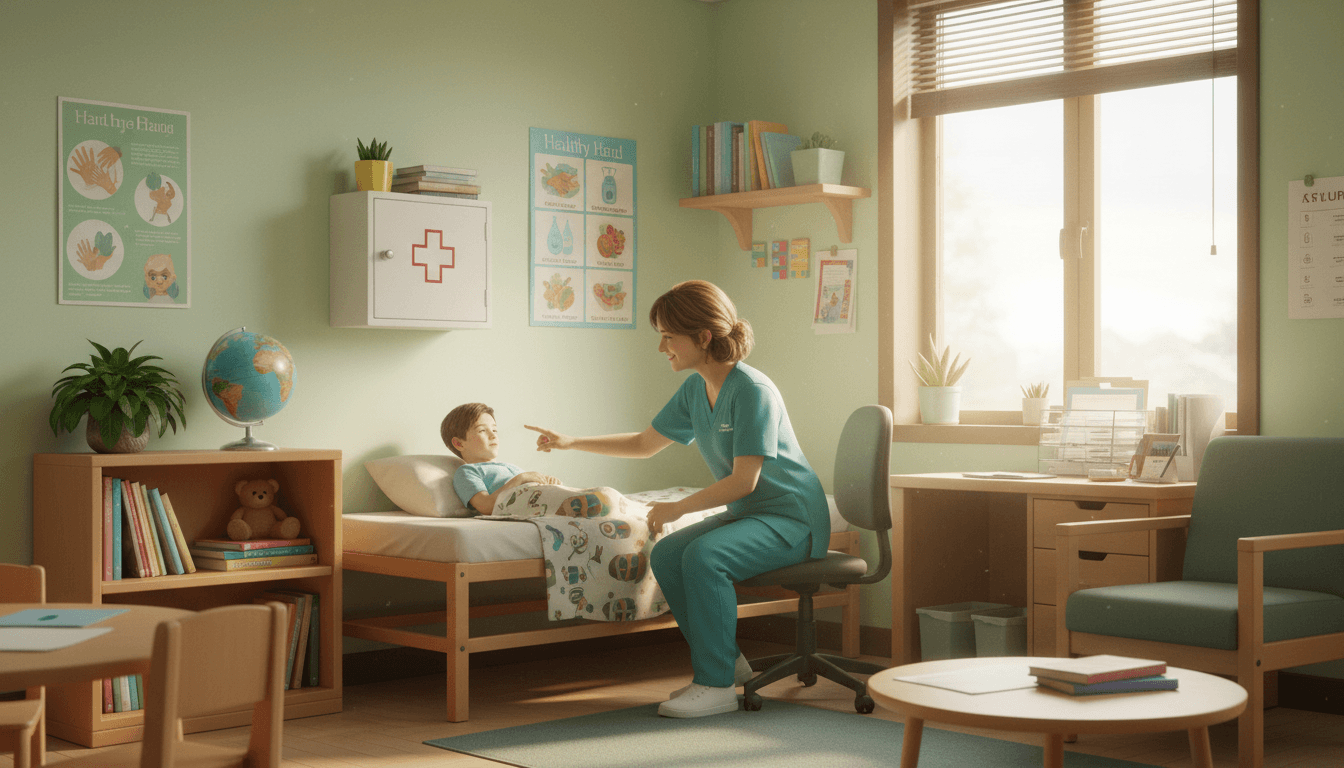
School Nurse Back-to-School Health Newsletter: Everything to Cover in August
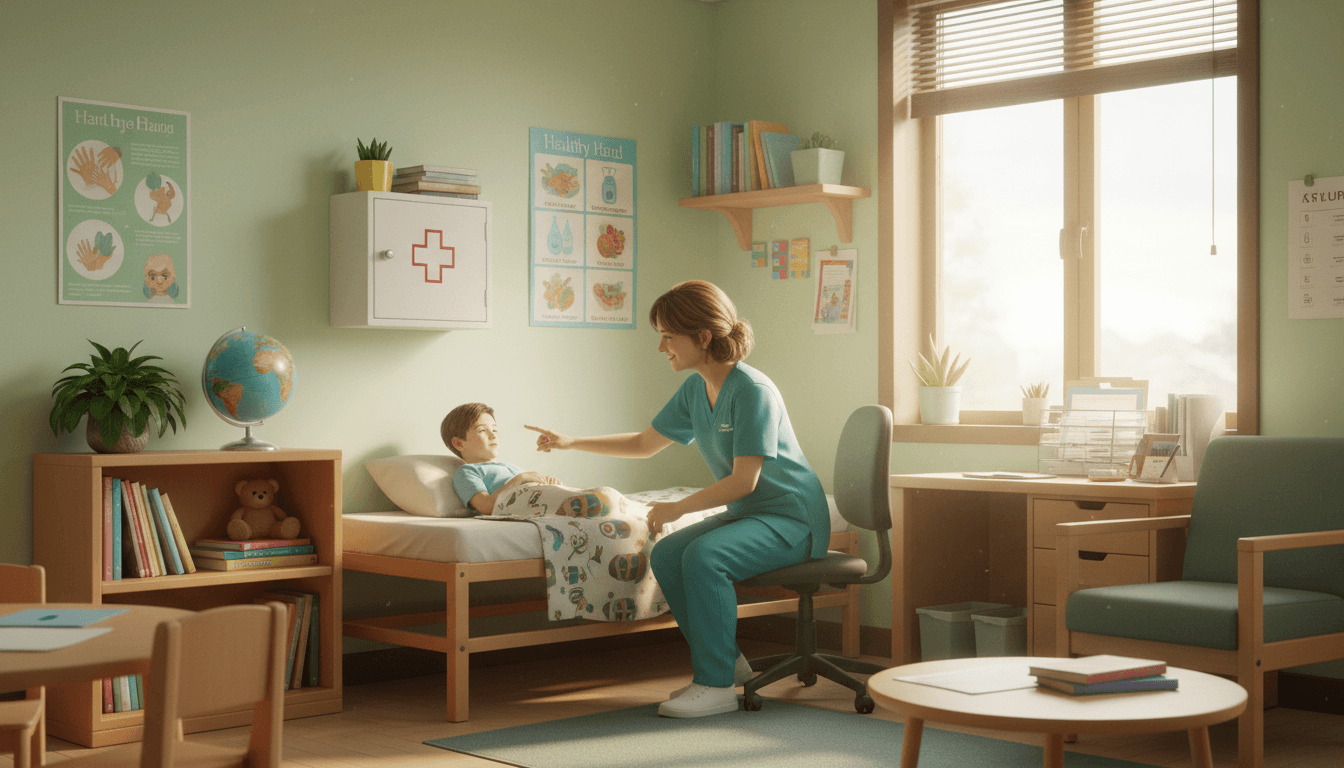
The back-to-school health newsletter is the most important health communication the nurse sends all year. It sets expectations before the school year begins, reaches families when they are in a proactive mindset, and prevents the wave of incomplete paperwork, missing medication forms, and outdated health plans that otherwise arrive in the health office during the first two weeks of school. A thorough, well-organized back-to-school letter saves dozens of individual follow-up conversations.
Start with the most urgent deadlines
If there are immunization deadlines before the first day of school, lead with them. Families who need to schedule a pediatrician appointment need as much lead time as possible. A back-to-school newsletter that arrives in late July and lists a September 1 immunization deadline gives families five weeks to act. The same newsletter arriving in late August gives them one week, and the health office spends the first weeks of school managing exclusions.
Explain the health records submission process
Cover where families submit health records, what formats are accepted, and what documentation is required for students with chronic conditions, existing medication needs, or health plans from prior schools. New families especially need this walkthrough. A student who arrives on the first day of school with a complex health history and no documentation on file creates an immediate problem for the health office and for the student.
Walk through the medication authorization process
Explain what is required before any medication can be administered at school, where to get the required forms, and how to submit them before the school year begins. Include the specific forms if your newsletter platform supports attachments or links. Families who have everything submitted before September 1 are far easier to manage than families who arrive with medication in hand and no paperwork.
Preview the screening calendar
Let families know which health screenings are scheduled for the current year, approximately when they will occur, and what each involves. Vision, hearing, scoliosis, and dental screenings have different preparation requirements. Families who know a vision screening is coming in October can make sure their child's glasses prescription is current before the screening rather than finding out the prescription is wrong from a screening referral.
Cover the illness exclusion policy and return-to-school standard
State your illness criteria clearly: when to keep a child home, the fever-free standard before return, and what the process is when a child becomes ill during the school day. This information is most useful when families receive it before anyone is sick, not after a 7am text saying their child has a fever and asking what to do.
Close with your contact information and health office hours
End the newsletter with your name, direct phone number, email if applicable, and the hours families can reach you. Make yourself findable. A school nurse who is accessible before problems start is one families trust when something significant happens during the year.
Get one newsletter idea every week.
Free. For teachers. No spam.
Frequently asked questions
When should a school nurse send the back-to-school health newsletter?
Two to three weeks before the first day of school is the right target. Late July or early August reaches families while they are still in the scheduling mindset for back-to-school preparation, before the first week rush when health office communications tend to get lost in the volume of other school communications.
What should the back-to-school health newsletter cover?
Immunization deadlines, how to submit health records and medication authorization forms, upcoming health screenings, the illness exclusion policy, how to update a student health plan or emergency contact information, and your direct contact for health-related questions before the year begins.
How long should the back-to-school health newsletter be?
600 to 900 words covers the essentials without overwhelming families. If you have multiple topics that each require detailed explanation, consider a short overview newsletter with links to separate pages for more detail on each topic rather than one very long letter.
Should the back-to-school newsletter be different for new families versus returning families?
Ideally yes. New families need more background on how the health office works, where it is located, what your hours are, and what documentation they need to submit. Returning families benefit from a shorter reminder-focused communication. If you can only send one version, write for new families and keep it specific enough that returning families still benefit.
Does Daystage support sending different newsletter versions to new and returning families?
Yes. Daystage lets you segment your recipient list and send targeted newsletters to specific groups. You can send a comprehensive version to new families and a shorter reminder version to returning families, all from the same account without managing two separate mailing lists manually.

Adi Ackerman
Author
Adi Ackerman is a former classroom teacher and curriculum writer with 8 years in K-8 schools. She writes about school communication, parent engagement, and what actually works in real classrooms.
More for School Nurses
School Nurse End-of-Year Health Summary Newsletter: Closing Out the Health Office Year
School Nurses · 5 min read
Mental Health Awareness Newsletter from the Health Office: A School Nurse Guide
School Nurses · 6 min read
Why Your Child's Emergency Contact Information Matters More Than You Think
School Nurses · 5 min read
Ready to send your first newsletter?
3 newsletters free. No credit card. First one ready in under 5 minutes.
Get started free