
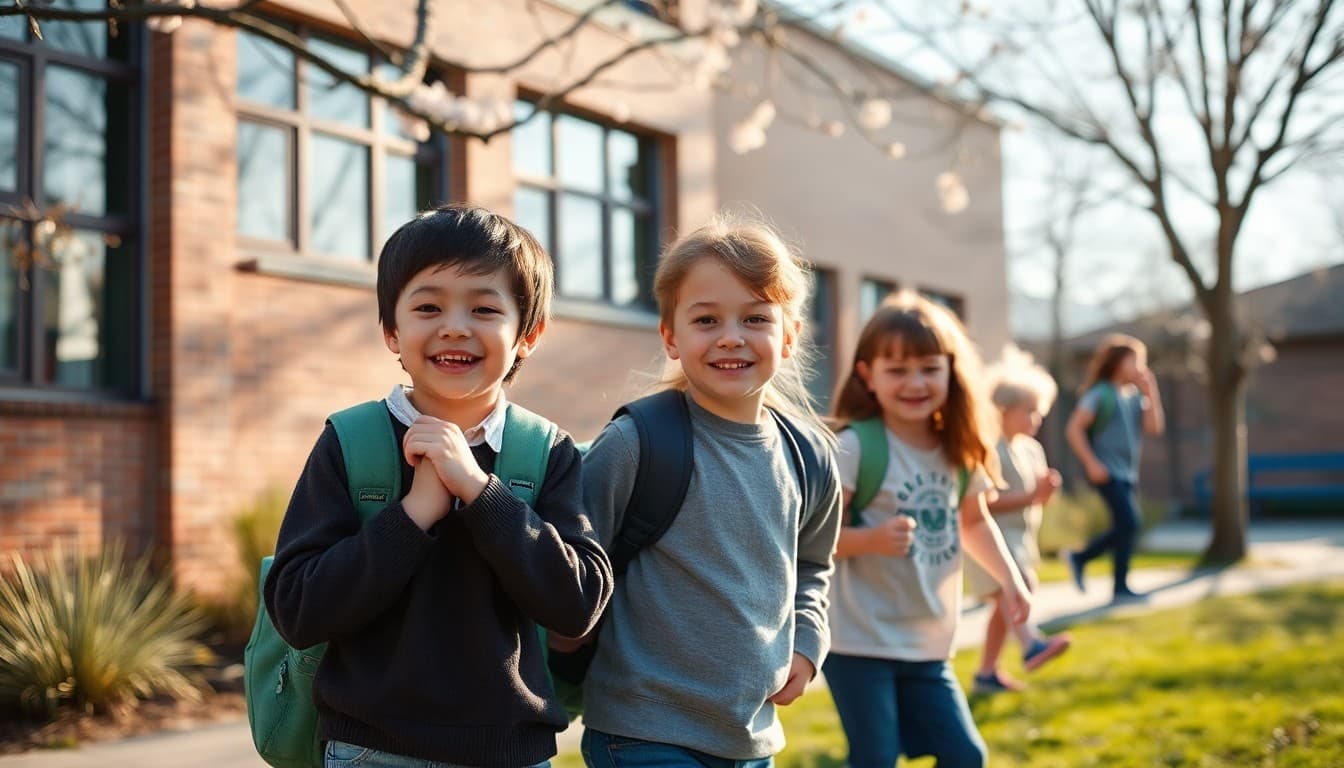
March Friendship Skills Newsletter for School Families
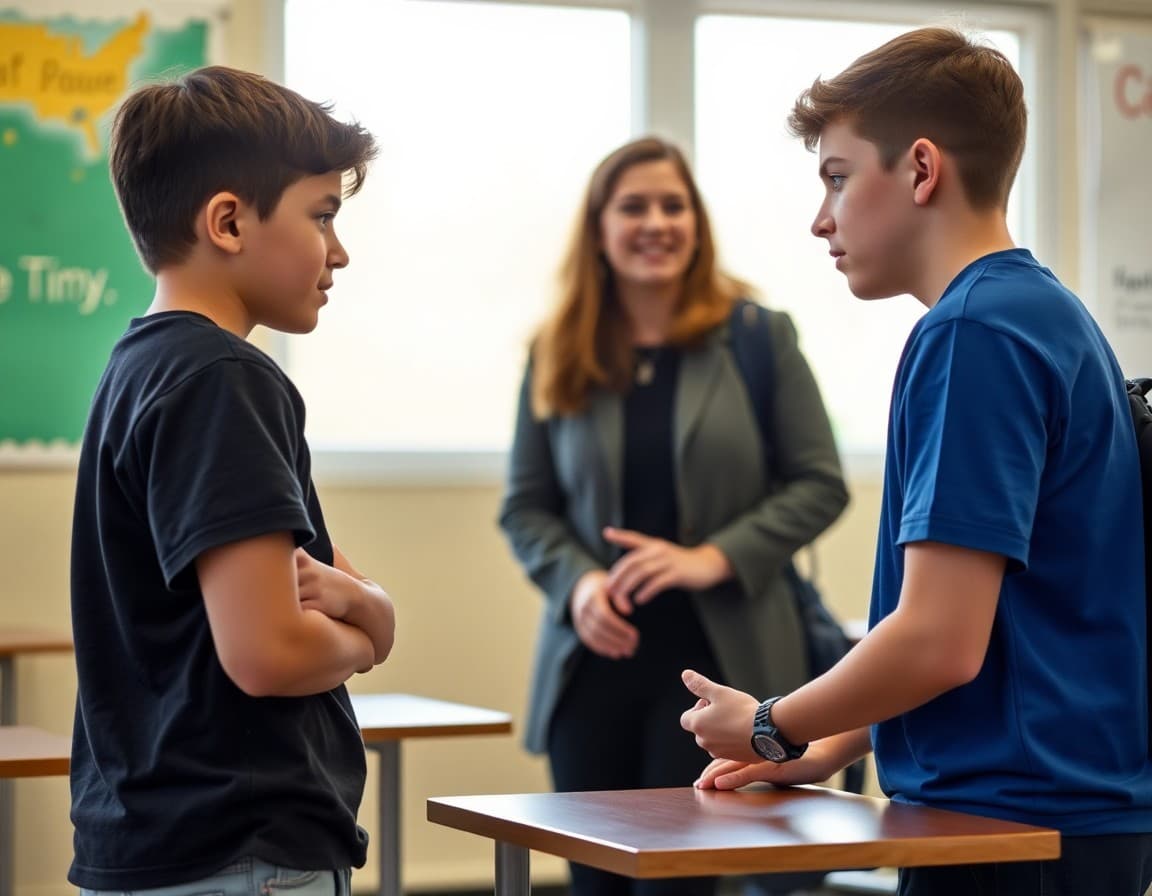
March is when second-semester social fatigue becomes impossible to ignore. Students who have been together since September are now eight months into the same social environment, and the small frictions have had time to accumulate. Your March newsletter helps families understand what is happening and support their child through the late-semester social landscape.
Third Quarter Friendship Fatigue
The third quarter of the school year is reliably the hardest stretch for peer relationships. The novelty of the school year is long gone, the end is still too far away to generate closing-stretch motivation, and the accumulated history of eight months together means that small irritants have grown into genuine grievances for some students. Friend groups that formed with enthusiasm in September are showing their stress fractures by March. Your newsletter can normalize this for families and give them language to help their children navigate it.
Supporting Friendships Through Spring Break
Spring break is not just a vacation. It is a social event that happens very publicly in schools, where students share plans with each other, post photos from locations they visited, and return with stories that make visible who was included in whose plans and who was not. Help families prepare their children for the social weight of spring break in both directions: if their child is going somewhere exciting, teach them to share with sensitivity. If their child is staying home, help them see the break as time for genuine rest rather than evidence of social failure.
When Two Good Friends Start to Drift
Some friendships that were strong in the first semester begin to drift naturally in the second. This is not always a sign of a problem. Friendships at every age shift and evolve, and some do not survive a full school year. Help families resist the urge to engineer friendships back together when both students have simply grown in different directions. What looks like conflict is sometimes just two people who have outgrown their seasonal social arrangement, and the most supportive response is to help the student open new doors rather than try to force an old one back open.
What Conflict Resolution Looks Like in March
By March, students have enough shared history to have complex, layered friendship conflicts that are not resolved by a simple apology. Help families support genuine conflict resolution rather than surface-level peace: both students say what happened from their perspective, both identify what they need going forward, and both agree to a specific change rather than just "being nicer." Families who coach this process from the outside are more helpful than those who step in to solve the conflict for their child.
The Student Who Has Been Struggling All Year
March is often when counselors hear about students who have been socially isolated since September. Families held back hoping things would improve, and now they are concerned enough to reach out. If a student has been struggling socially since the beginning of the year, March is still early enough to make meaningful change before the year ends. A social skills group, facilitated peer connections, or a more structured lunch arrangement can shift a student's experience in the last quarter of the year.
Encouraging New Connections in Spring
Spring activities, spring sports sign-ups, and end-of-year projects create new contexts for social connection. Encourage families to support their child's participation in at least one spring activity they have not tried before. Students who have been struggling socially sometimes find their social reset in a spring context that gives them a chance to show a new side of themselves, away from the established dynamics of the core class group.
Gratitude and Appreciation in March
With the end of the year starting to come into view, March is a good time for students to deliberately express appreciation for the friendships they have. A specific, genuine thank-you to one friend for something they did this semester strengthens the relationship for both students and builds the habit of noticing and naming what makes a friendship meaningful. Your newsletter can give families a simple activity: write one thing you appreciate about a friend and either send it or say it this week.
Scheduling Spring Newsletters With Daystage
The spring semester moves quickly and March is often filled with testing preparation, field trip logistics, and spring break planning. If you use Daystage, scheduling your spring issues in February means they go out automatically even during the busiest weeks. Consistent family communication in the final stretch of the year keeps your engagement high and makes your May and June closes more effective.
Get one newsletter idea every week.
Free. For teachers. No spam.
Frequently asked questions
What friendship challenges are common in March?
Spring semester fatigue sets in by March, and friendship dynamics that have been under pressure since January often reach a breaking point. End-of-year anxiety for eighth graders and high school seniors, spring break exclusion patterns, and the general restlessness of the third quarter make March a high-conflict month for peer relationships.
How does spring break affect student friendships?
Spring break creates visible social divisions between students who travel with families versus those who stay home, students who are included in friend group plans versus those who are not, and students who maintain connection over break versus those whose friendships fade with the schedule disruption.
How can families support friendship resilience in the second half of the year?
Help your child identify the one or two friendships that genuinely matter to them and invest in those specifically, rather than trying to maintain a large social network that is increasingly strained by semester fatigue. Quality over quantity matters more in the second semester than the first.
What does healthy friendship conflict look like in spring?
Two students who have been close friends since fall have had enough real experience to have genuine disagreements. Healthy conflict at this stage involves direct communication, both parties feeling heard, and a resolution that both can accept without one person completely giving in. Families can support this by coaching from the sidelines rather than intervening to solve every dispute.
What platform helps counselors send March friendship newsletters at the right time?
Daystage lets counselors pre-schedule spring issues during a quieter February so March content arrives automatically even during a month filled with spring testing, report card prep, and spring break logistics.

Adi Ackerman
Author
Adi Ackerman is a former classroom teacher and curriculum writer with 8 years in K-8 schools. She writes about school communication, parent engagement, and what actually works in real classrooms.
More for School Counselors
Ready to send your first newsletter?
3 newsletters free. No credit card. First one ready in under 5 minutes.
Get started free