
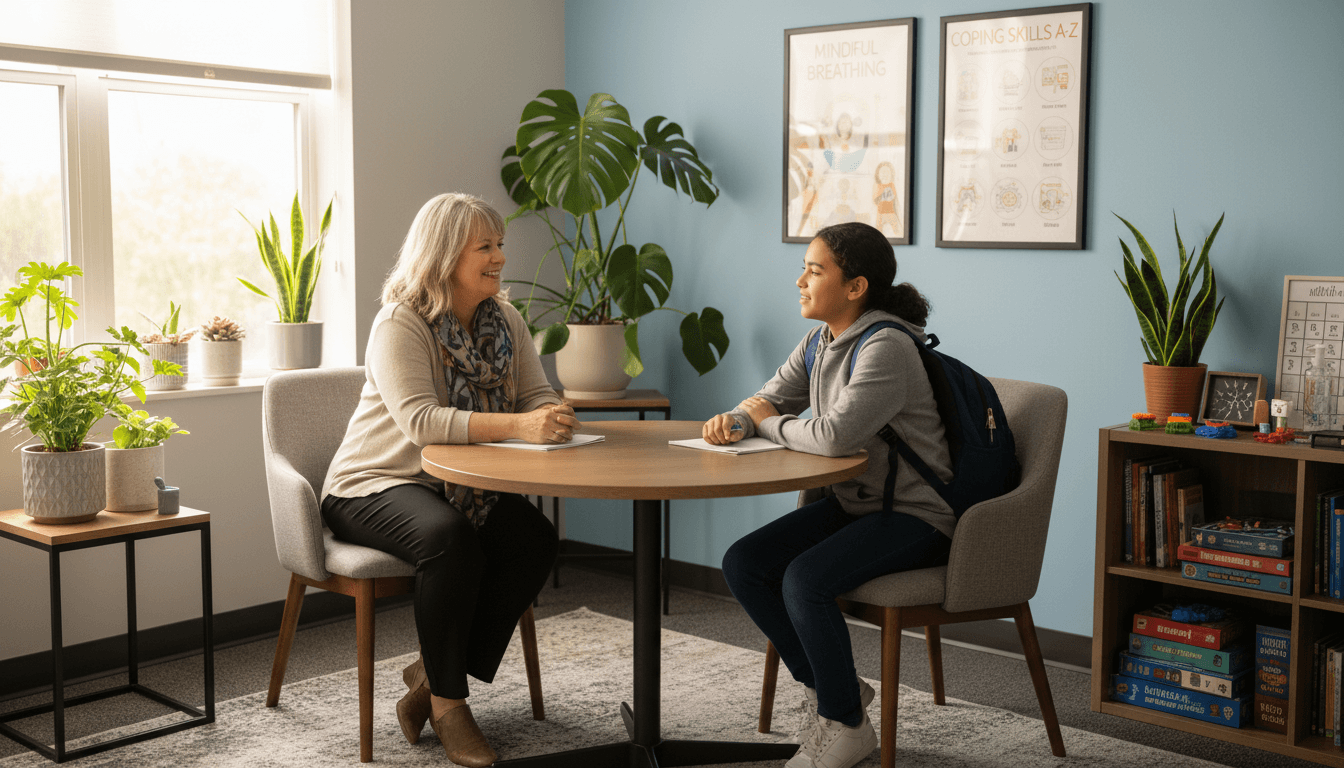
New Student Welcome Newsletter from School Counselor
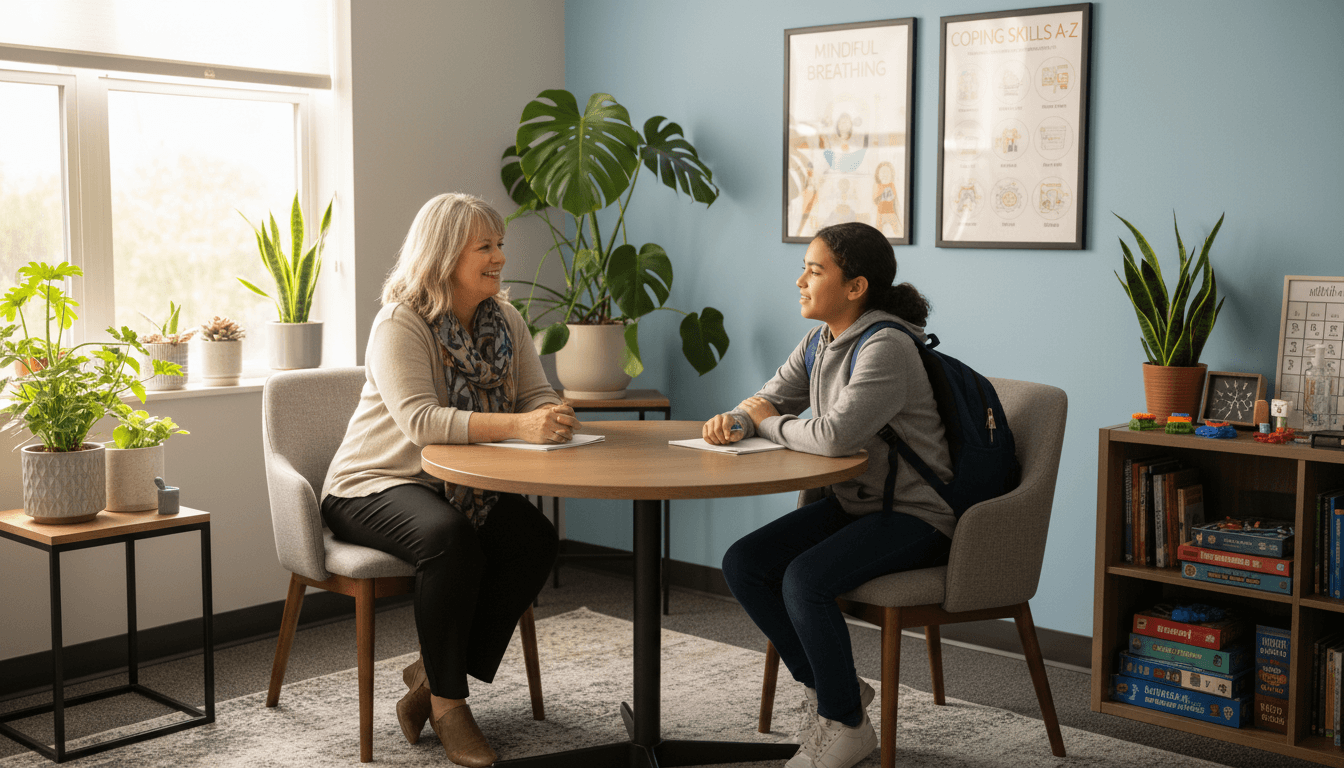
New students arrive at schools throughout the year, not just in September. Each one brings a family that is navigating an unfamiliar building, unfamiliar staff, and unfamiliar social dynamics. A welcome newsletter from the counselor within the first week of enrollment is one of the clearest signals you can send that this school is paying attention to their child.
Here is how to write one that actually welcomes rather than just acknowledges.
Introduce yourself as a person, not a role
Many families do not know what a school counselor does. Some associate counseling with discipline or crisis and approach it with caution. Your welcome newsletter can reset that immediately. Tell families who you are, what you actually do in a typical week, and how their child can reach you.
Specifics make this work. "I teach lessons in classrooms on topics like handling stress and building friendships. I also meet with students individually when they need support or someone to talk to. My door is open before school and during lunch." That is real and approachable. "I am here to support student success" is neither.
Tell new families what to expect in the first few weeks
New students typically go through a predictable adjustment arc. The first week involves figuring out logistics, which is exhausting. The second and third weeks involve starting to form impressions of the social landscape. By the end of the first month, most students have a clearer sense of where they fit, though the social integration can take longer.
When families know this arc, they can interpret their child's behavior accurately. A student who comes home exhausted and overwhelmed after week one is not having a terrible experience. They are adjusting, which takes energy.
Address the social piece directly
The thing new students worry about most is friendships. Your welcome newsletter can help families support this process at home. Tell them to encourage participation in one activity, whether that is a club, a sport, or a class elective, because shared activities are where friendships form fastest.
Tell them to ask their child open-ended questions at home: "Who did you eat lunch with?" rather than "Did you make any friends yet?" The first question opens a conversation. The second creates pressure to report success.
Give families the key contacts they need
Include the main office number, the counselor's direct email, the grade-level administrator if relevant, and any digital platforms the school uses to communicate with families. New families spend the first month not knowing who to call for what. A clear contact list in the welcome newsletter removes that friction.
Special considerations for students who moved mid-year
Students who transfer mid-year face additional academic challenges. They may be at a different point in the curriculum than their new class. They may have had different course requirements at their previous school. Tell families to reach out early if they notice academic gaps, rather than waiting until grades reflect it.
End with a direct invitation
Close your welcome newsletter with a clear invitation for families to reach out. Not "do not hesitate to contact me." Something more direct. "If your child is having a hard time in the first few weeks, I want to know. That is what I am here for." New families need to feel that the door is actually open, not just that the phrase was used.
Get one newsletter idea every week.
Free. For teachers. No spam.
Frequently asked questions
When should a school counselor send a new student welcome newsletter?
Within the first week of a new student enrolling, not the first month. New families are disoriented immediately after enrollment. A newsletter that arrives in the first few days helps them understand who to contact and what to expect before the confusion sets in.
What should a new student welcome newsletter from the counselor include?
A personal introduction from the counselor with contact information, an explanation of how students can access counseling services, information about the first few weeks of adjustment and what is normal, key contacts and schedules, and anything specific to the student's grade level that they need to know right away.
How do you write a welcome newsletter that does not feel like a generic form letter?
Use specific details about your school and your role. Skip phrases like 'we are so excited to have you' without any follow-through. Tell them something real: what your office looks like, what time students can drop in, what typically happens in the first week for a new student at this school.
What do new families most worry about that a welcome newsletter can address?
Whether their child will make friends, whether they will be academically caught up, and whether the school knows their child exists as an individual rather than a record. Addressing all three in a welcome newsletter, even briefly, does a lot of work for a family that is feeling anxious about the move.
Can Daystage help a counselor send a personalized welcome newsletter to each new student family?
Daystage handles this well. You build your welcome newsletter template once, update the student name and any grade-specific details, and send. For counselors who enroll new students throughout the year rather than only in September, having a reusable template saves significant time.

Adi Ackerman
Author
Adi Ackerman is a former classroom teacher and curriculum writer with 8 years in K-8 schools. She writes about school communication, parent engagement, and what actually works in real classrooms.
More for School Counselors
Ready to send your first newsletter?
3 newsletters free. No credit card. First one ready in under 5 minutes.
Get started free