
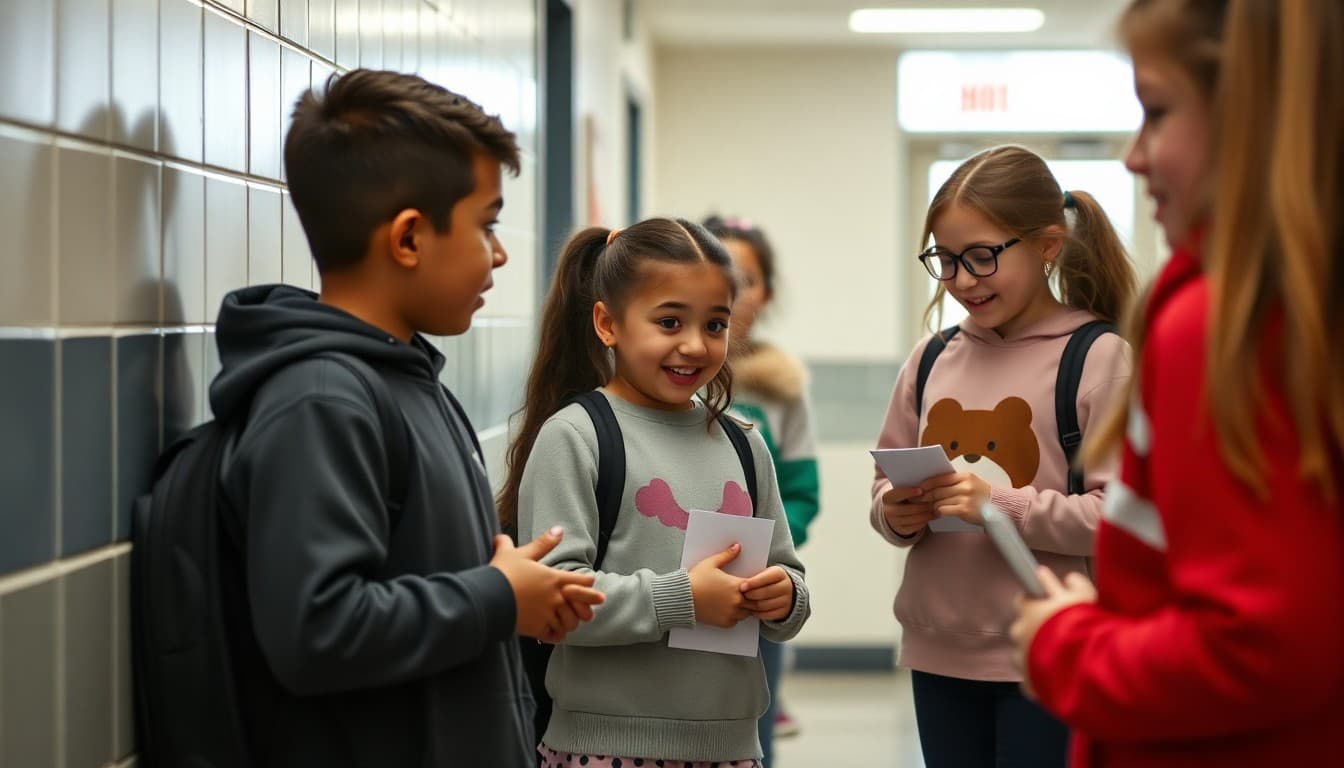
February Bullying Prevention Newsletter for School Families
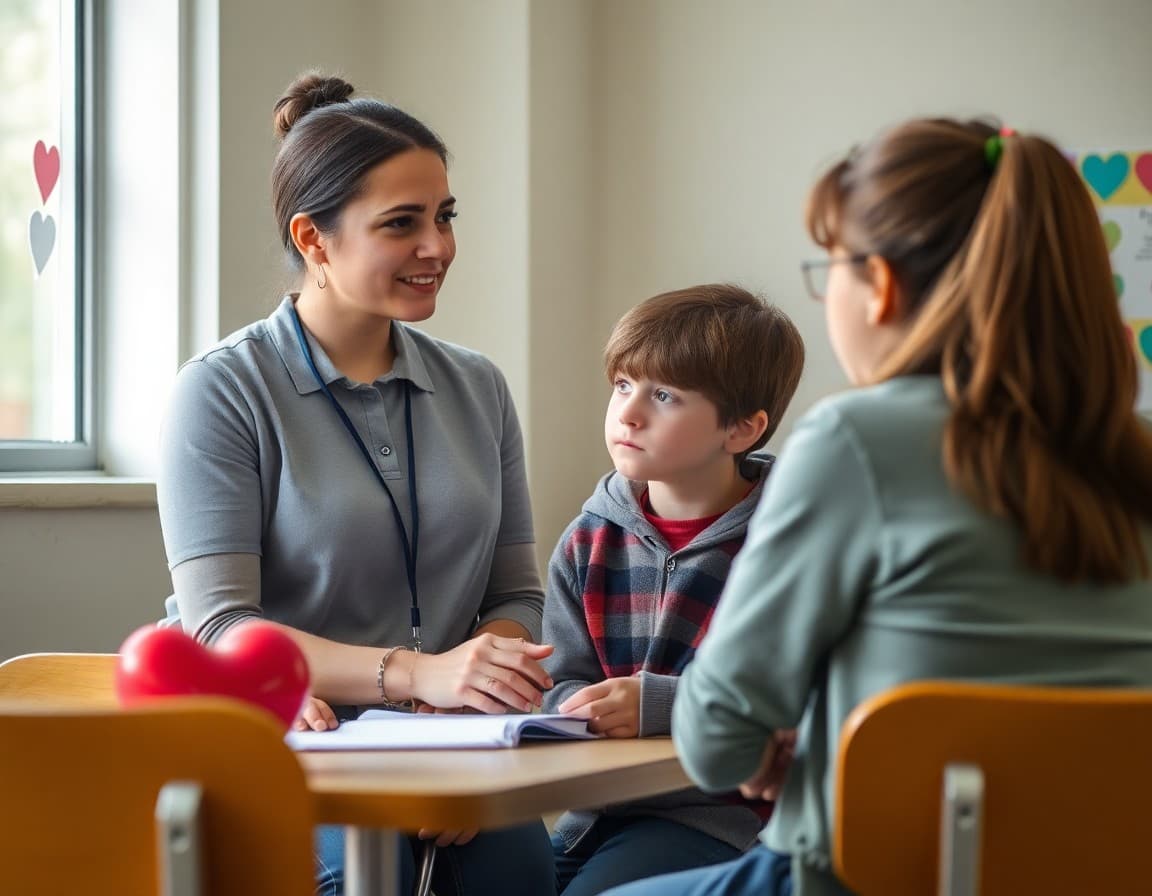
February combines Valentine's Day social pressure with mid-semester social fatigue in a way that creates predictable conditions for exclusion, mockery, and social bullying. A well-timed February newsletter helps families recognize the dynamics before they develop and respond effectively when they do.
Valentine's Day and Social Bullying
Most people think of Valentine's Day as a positive celebration of affection. For some students, it is one of the most socially painful days of the year. The holiday makes social standing visible in ways that most school days avoid: who receives the most cards, whose treats were special versus obligatory, which students are clearly in romantic relationships and which are not. These visible social comparisons create ideal conditions for exclusionary behavior, pointed comments, and deliberate humiliation, all of which qualify as social bullying when they are targeted and repeated.
Defining Social Bullying for Families
Many families do not recognize social bullying as bullying because it does not involve physical contact or obvious name-calling. Help families understand that deliberately excluding someone from social activities, spreading rumors, manipulating friendships, publicly humiliating someone around their social status or romantic situation, and organizing social events specifically designed to leave out one person are all forms of bullying. The absence of physical aggression does not make these behaviors harmless. In many cases, social bullying causes more lasting psychological harm than physical bullying because it is harder to document and easier to deny.
Romantic Pressure and Harassment
Valentine's Day sometimes intensifies situations where one student is pursuing another unwantedly or where romantic gossip is being spread to embarrass a classmate. These situations can cross from social awkwardness into harassment. Help families understand the difference between a student expressing a crush and a student who repeatedly pressures a peer despite clear disinterest, or who uses romantic attention as a vehicle for public humiliation. The second scenario requires a report to you, not just a conversation between students.
Preparing Students Before the Holiday
Give families specific pre-Valentine's Day conversation prompts: "Is there anyone in your class who might feel left out this week?" and "What could you do to make sure everyone feels included?" These questions are not naive. They activate a student's social awareness and position them as a potential ally rather than a passive bystander. A child who has had this conversation before February 14 is more likely to include a vulnerable classmate or report exclusionary behavior they witness.
Responding When Your Child Is Targeted
If a student comes home from school after Valentine's Day clearly hurt, give families a clear response framework: take it seriously, write down what the child describes, and contact the school counselor the same week. Do not tell the child to "not let it bother them" or "ignore it." Those responses communicate that the behavior was acceptable and that their distress is their own problem. Neither message supports healing or prevention of future incidents.
February as a Mid-Semester Check-In
Beyond Valentine's Day, February marks roughly the halfway point of the second semester. Your newsletter can use this moment to prompt families to do a mid-semester check on their child's social wellbeing: How are their friendships going? Are there any ongoing peer issues that have not been addressed? Is the student looking forward to school or dreading it? These questions catch problems that have been building since January before they reach crisis level in March or April.
Your February Guidance Focus
If you are running classroom lessons on kindness, empathy, or perspective-taking in February, tell families what those lessons cover and what conversations to have at home. A student who hears about empathy in guidance and then hears their family talk about what it means to include someone who is left out is integrating the concept from two directions, which is far more effective than either alone.
Timely Communication With Daystage
Your February newsletter should arrive before Valentine's Day, not after. Schedule it in Daystage for the first week of February so families have two full weeks to absorb the content, have the conversations, and prepare their children before the holiday arrives. Post-holiday newsletters can acknowledge what happened and offer next steps, but pre-holiday communication is where prevention actually lives.
Get one newsletter idea every week.
Free. For teachers. No spam.
Frequently asked questions
How does Valentine's Day create bullying opportunities in school?
Valentine's Day makes social hierarchies visible in ways that most school days do not. Public gift exchanges, visible differences in how students are treated, and romantic social pressure on middle and high schoolers create conditions where exclusion, mockery, and social bullying can intensify significantly around February 14.
What is social bullying and how does it show up in February?
Social bullying involves deliberately excluding someone from peer groups, spreading rumors, manipulating friendships, or using social status to humiliate. Around Valentine's Day it can look like organizing a valentine exchange that deliberately leaves out certain students, making public comments about who received valentines from whom, or spreading romantic rumors to embarrass a classmate.
How should schools handle romantic bullying or harassment among students?
Romantic bullying, including unwanted attention, public humiliation around crushes or relationships, and sexual harassment, falls under both bullying policy and Title IX obligations. School counselors should document these reports, involve administration for Title IX situations, and provide support to targeted students regardless of the romantic context.
What can families do to prevent their child from participating in social bullying around Valentine's Day?
Talk explicitly before the holiday about what exclusion looks like and why it is harmful. Ask directly: is there anyone in your class who might feel left out on Valentine's Day? What could you do to include them? Children who have had this conversation are more likely to notice and respond to exclusion when they see it.
What platform helps counselors send February bullying prevention newsletters on schedule?
Daystage lets counselors schedule February issues to arrive before Valentine's Day, so families receive prevention guidance when they still have time to prepare their children for the holiday rather than after the social damage is already done.

Adi Ackerman
Author
Adi Ackerman is a former classroom teacher and curriculum writer with 8 years in K-8 schools. She writes about school communication, parent engagement, and what actually works in real classrooms.
More for School Counselors
Ready to send your first newsletter?
3 newsletters free. No credit card. First one ready in under 5 minutes.
Get started free