
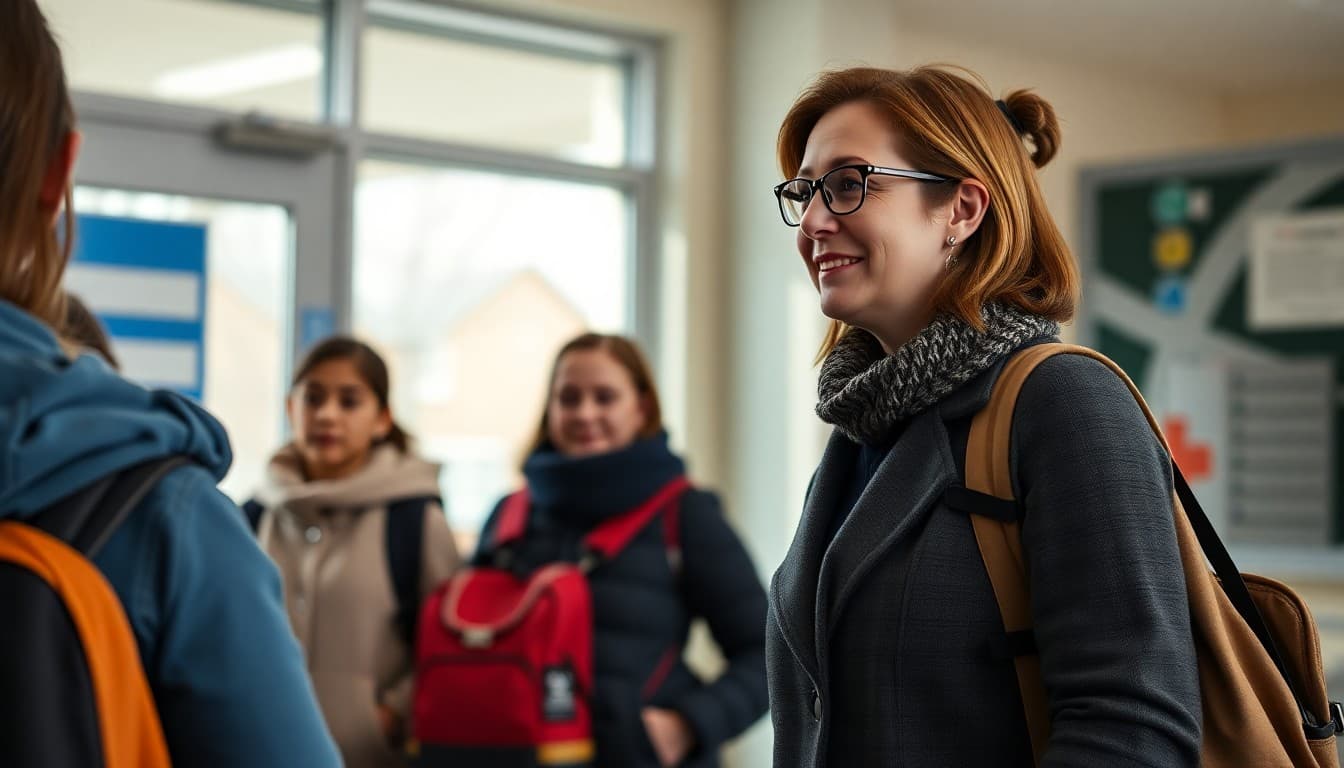
January Bullying Prevention Newsletter for School Families
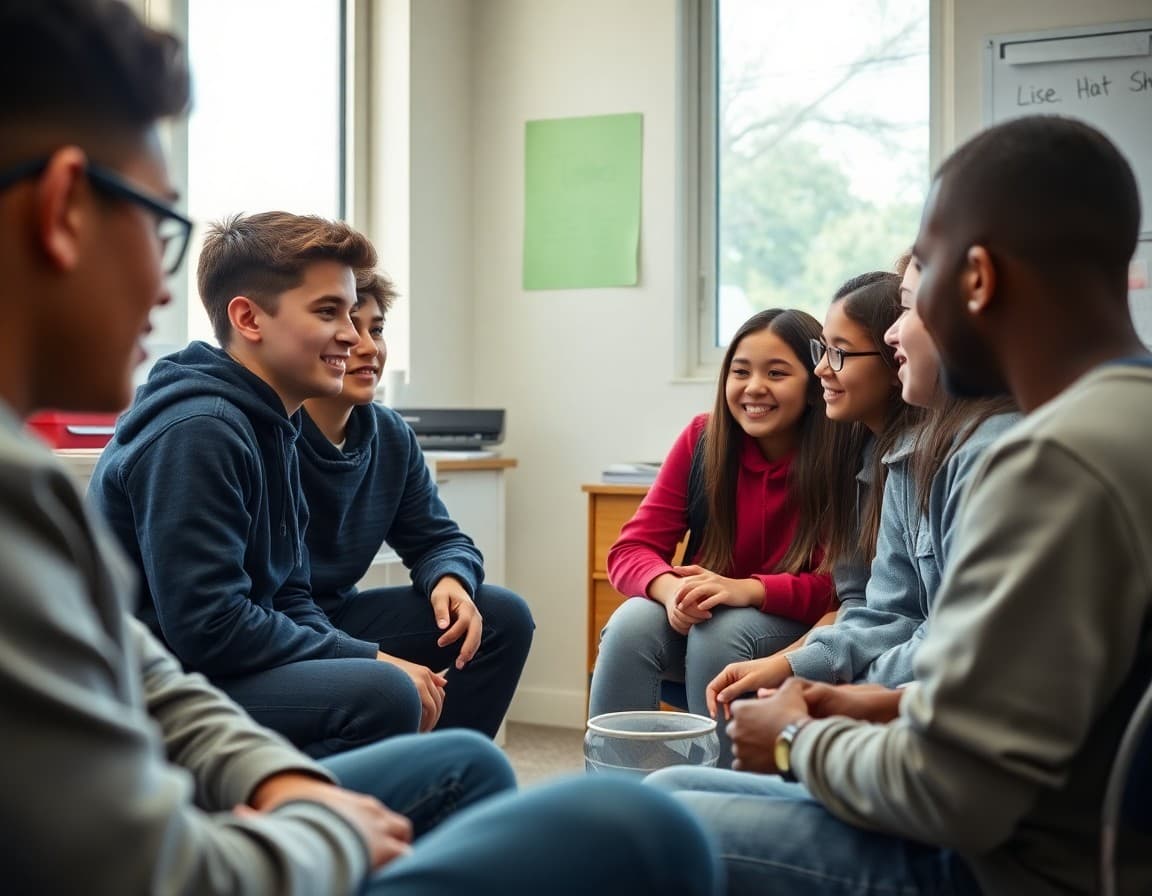
January is when the consequences of winter break social activity arrive at school. Cyberbullying incidents that started on social media during the break, friend group shifts that happened via group chat, and social alliances that changed without any direct conversation all walk through the door on the first day back. Your January newsletter helps families understand what to watch for and how to respond.
What Happens Over Break Follows Students Back
Two to three weeks of break with unrestricted device access means that online social dynamics among school peers continue without the natural interruption of the school day. Some students return in January already hurt, embarrassed, or angry about something that happened online during break. Others return not knowing yet that their social situation has shifted. Your January newsletter should make clear that what happened online over break is still your concern and that reports will be taken seriously regardless of when the incident occurred.
Handling Cyberbullying Reports From Break
When a family reports that their child was bullied online during winter break, your response process should be the same as any other report: document the evidence, speak with the involved students separately, contact parents, and determine whether the behavior warrants disciplinary intervention. The fact that it happened off-campus and during a break does not automatically remove school jurisdiction, particularly when the behavior targets school peers and threatens to disrupt the school environment when students return.
New Semester Social Dynamics
New schedules mean new lunch periods, new class groupings, and new unstructured social time. These changes can create opportunities for bullying behavior in two directions: students who were separated from a bully in the first semester may find themselves in the same class again, and students who were safely below a bully's radar may become newly visible. Help families stay attuned to their child's social reports in the first two weeks of January when these new dynamics are still forming.
Restorative Options for Second Semester
If your school uses restorative practices, January is a good time to remind families that second semester offers an opportunity for genuine repair between students who had difficult first-semester dynamics. Not every bullying situation ends with permanent social distance between the involved students. Some can be genuinely resolved through facilitated conversation, accountability, and a clear forward-looking agreement. Families who understand this option are more open to restorative approaches than those who assume punishment is the only available response.
New Reporting Options for the Second Semester
If your school has introduced new anonymous reporting tools, a new counselor, or updated its bullying response policy over the break, January is the right time to communicate these changes. Even if nothing has changed structurally, a January newsletter that reiterates how to report gives families who hesitated in the first semester another clear invitation. Some families wait months before reporting because they are not sure whether the behavior is serious enough or are not sure who to call. Removing that uncertainty is one of the most practical things your newsletter can do.
Students Who Return Already Withdrawn
Occasionally a student returns from winter break more withdrawn, anxious, or reluctant to attend school than they were before the break. This can signal that something happened online or socially over the break that the student has not disclosed. Help families recognize this pattern: if a child who was okay in December is clearly struggling in the first week of January, something happened. The right response is a gentle, non-pressuring conversation and, if the child remains reluctant to disclose, a call to you for guidance on how to proceed.
Building a Safe School Culture All Semester
Bullying prevention is not an October campaign or a January reset. It is a daily commitment to a school culture where students know they will be believed when they report harm, where bystanders know what to do and are willing to act, and where families feel confident that the school will respond. Your January newsletter can reinforce this commitment at the start of a new semester, signaling to families that your attention to student safety did not take a break over the holidays.
First Day Back With Daystage
If you scheduled your January newsletter in Daystage during the holiday break, it is already in families' inboxes on the first day back. That timing sends a clear message: the counselor was thinking about students even over the break, and the counseling program is active and ready for the second semester. It is a small gesture with a real impact on how families perceive your program.
Get one newsletter idea every week.
Free. For teachers. No spam.
Frequently asked questions
What bullying issues should counselors expect when school resumes in January?
Cyberbullying incidents that started or escalated over winter break are the most common January concern. Students also return to new semester schedules that can disrupt established friend groups and create opportunities for social aggression as new social hierarchies form.
How should a counselor handle cyberbullying that happened over winter break?
Take reports seriously regardless of when the incident occurred. Document what happened, speak with involved students, contact parents of all parties, and determine whether the behavior meets the threshold for school-level intervention. Off-campus cyberbullying between school peers falls within school jurisdiction when it disrupts the school environment.
Can a new semester reset bullying dynamics from the first semester?
Sometimes. New class schedules can separate a targeted student from their bully, introduce them to new peers, and create enough social distance for the dynamic to shift. But for well-established bullying patterns, a schedule change alone is rarely sufficient. Active counselor intervention is almost always still needed.
How should families report bullying that happened during winter break?
Contact the school counselor or principal on the first day back with documentation: screenshots, dates, and a written summary of what the child reported. Do not wait to see if things improve on their own. January incidents reported early can be addressed before second semester social patterns lock in.
What tool helps counselors communicate bullying prevention resources in January?
Daystage lets counselors build and schedule a January bullying prevention newsletter during holiday break so it arrives on the first day back, reaching families before school dynamics have a chance to establish themselves for the second semester.

Adi Ackerman
Author
Adi Ackerman is a former classroom teacher and curriculum writer with 8 years in K-8 schools. She writes about school communication, parent engagement, and what actually works in real classrooms.
More for School Counselors
Ready to send your first newsletter?
3 newsletters free. No credit card. First one ready in under 5 minutes.
Get started free