
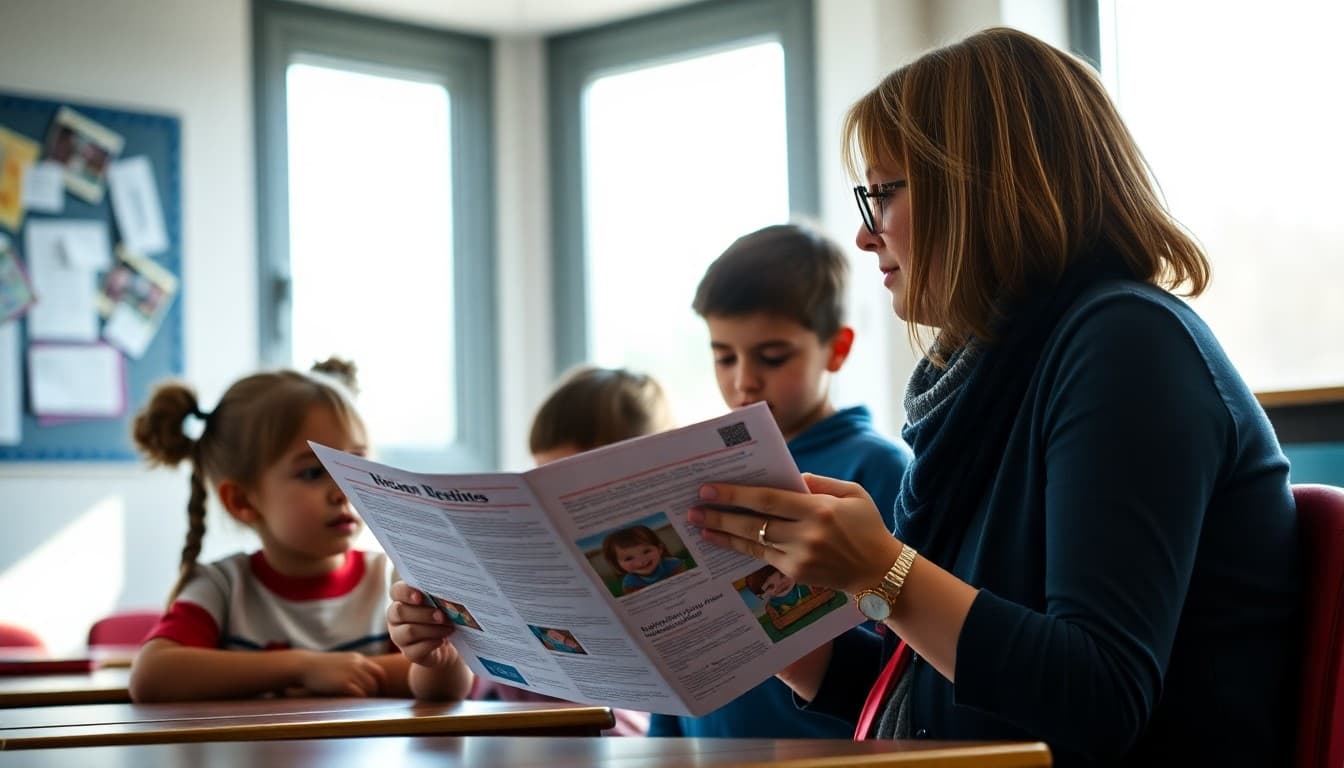
Elementary School Counselor Newsletter: K-5 Support Guide
Elementary school counselors are often invisible to families until something goes wrong. A monthly newsletter changes that. It puts your name, your role, and your resources in front of families before a crisis, which means they reach out faster and trust you more when they do.
Start With a Clear Introduction Each Fall
Many elementary families, especially those with kindergarten students, have no idea their school has a counselor. Your first newsletter of the year should answer three questions: who you are, what you do, and how to reach you. Include your office location, your email, and the best time to call. A short paragraph and a photo go a long way toward making you approachable before you ever meet a student or parent in person.
Align Content With Classroom Guidance Lessons
The most efficient approach to elementary newsletter content is to match each issue to what you're already teaching in classroom guidance. If October is friendship month in your lesson plan, your October newsletter covers friendship skills at home. This gives you a built-in content calendar and reinforces what students are learning in school. Families appreciate the connection between school learning and home practice.
Emotion Regulation Tips Parents Can Use Tonight
Young students are still building the vocabulary and strategies to manage big feelings. Your newsletter can give parents one or two specific techniques to practice at home. Deep breathing counts, feeling charts, and "naming it to tame it" strategies are easy to explain in a paragraph and immediately useful. Keep the instructions simple enough that a tired parent can implement them after a long day.
Friendship and Social Skills Updates
Parents of elementary students are often worried about their child's friendships. Whether a student is struggling to make friends, dealing with exclusion, or navigating a conflict with a peer, your newsletter can offer real guidance. Explain what healthy friendship looks like at different ages, how to help a child who says they have no friends, and when a social concern warrants a conversation with you directly.
Announcing Small Groups and Counseling Programs
When you start a new small group, tell families about it. Explain what the group covers, how students are selected, and what confidentiality means at the elementary level. Parents who understand your group counseling program are more likely to give permission and less likely to be concerned when their child mentions "group." Transparency builds the trust that makes your program work.
Connecting Families to Outside Resources
Elementary counselors are not therapists, and part of your job is helping families find outside support when they need it. Your newsletter is the right place to share community mental health resources, free parenting workshops, and county programs for families navigating food insecurity, housing instability, or trauma. A resource block in every issue normalizes seeking help and positions your newsletter as a practical reference tool.
How Daystage Helps Elementary Counselors
Daystage lets you build your newsletter template once and update it each month in minutes. You can include your school logo, schedule delivery for any day, and see which families opened the issue. For elementary counselors managing classroom guidance lessons, small groups, and individual sessions all at once, Daystage cuts the communication overhead so you can stay focused on students.
What Makes Families Actually Open Your Newsletter
Subject lines that name the month and a specific benefit get opened. "October Counselor Newsletter" is less compelling than "October: Helping Your Child Make and Keep Friends." Keep your subject line under ten words and make the benefit clear. Once families associate your newsletter with genuinely useful content, your open rates will grow on their own.
Get one newsletter idea every week.
Free. For teachers. No spam.
Frequently asked questions
What topics work best in an elementary counselor newsletter?
Stick to topics families can reinforce at home: friendship skills, emotion regulation, managing worry, and kind communication. When parents see a direct connection between what you teach and what they can practice, engagement goes up.
How long should an elementary counselor newsletter be?
Short enough to read during a coffee break. Two to three sections, each under 150 words. Elementary school families are busy and often distracted. A focused, readable newsletter outperforms a comprehensive one that nobody finishes.
How do I introduce myself to elementary families at the start of the year?
Your first newsletter of the year is your most important one. Lead with who you are, what you do, and how families can reach you. Include a photo. First-grade parents often have no idea a counselor exists until something goes wrong. Change that early.
How often should elementary counselors send newsletters?
Monthly works well at the elementary level. You can align each issue with the SEL topic you're covering that month in classroom guidance, which gives the newsletter a natural content calendar without extra planning.
What tool do elementary counselors use to send newsletters?
Daystage is designed for school-based communicators who need professional-looking newsletters without a design background. Elementary counselors use it to build monthly issues quickly and track which families are opening them.

Adi Ackerman
Author
Adi Ackerman is a former classroom teacher and curriculum writer with 8 years in K-8 schools. She writes about school communication, parent engagement, and what actually works in real classrooms.
More for School Counselors
Ready to send your first newsletter?
3 newsletters free. No credit card. First one ready in under 5 minutes.
Get started free