
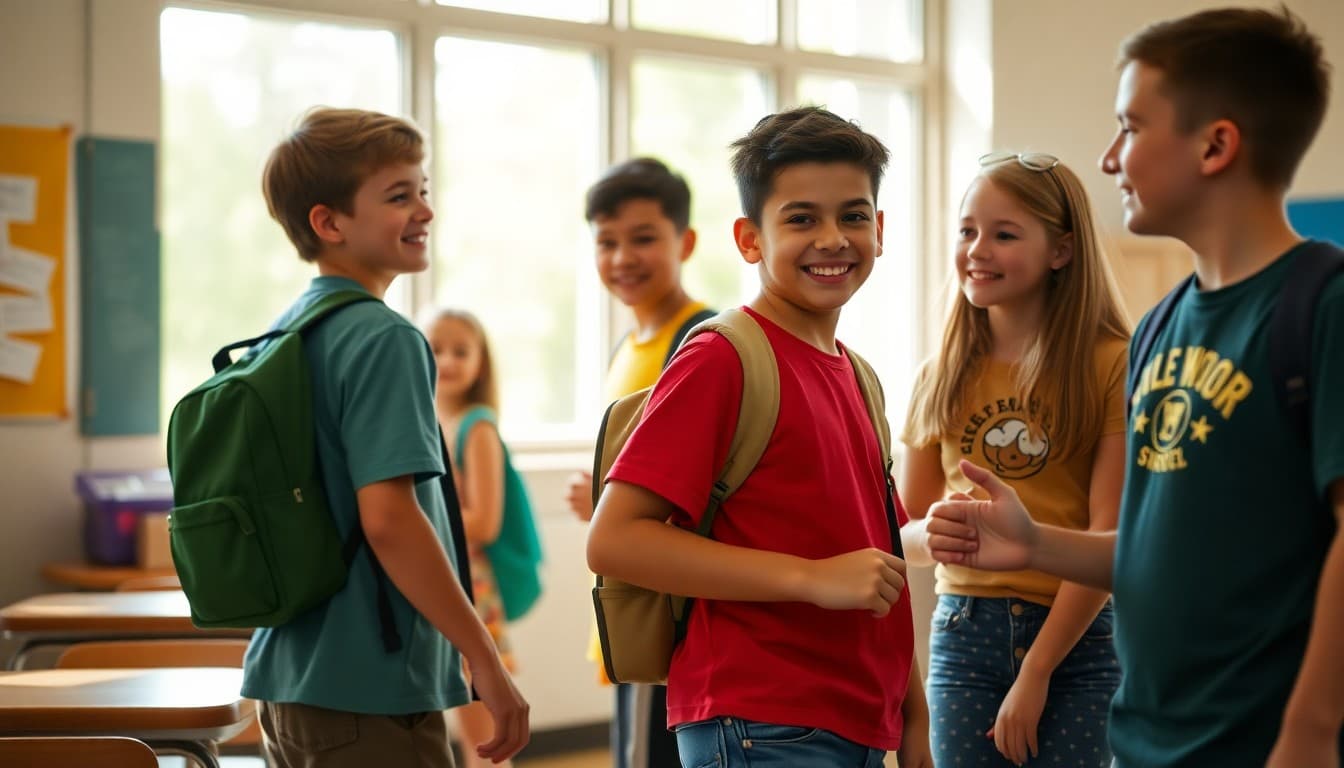
August Friendship Skills Newsletter for School Families
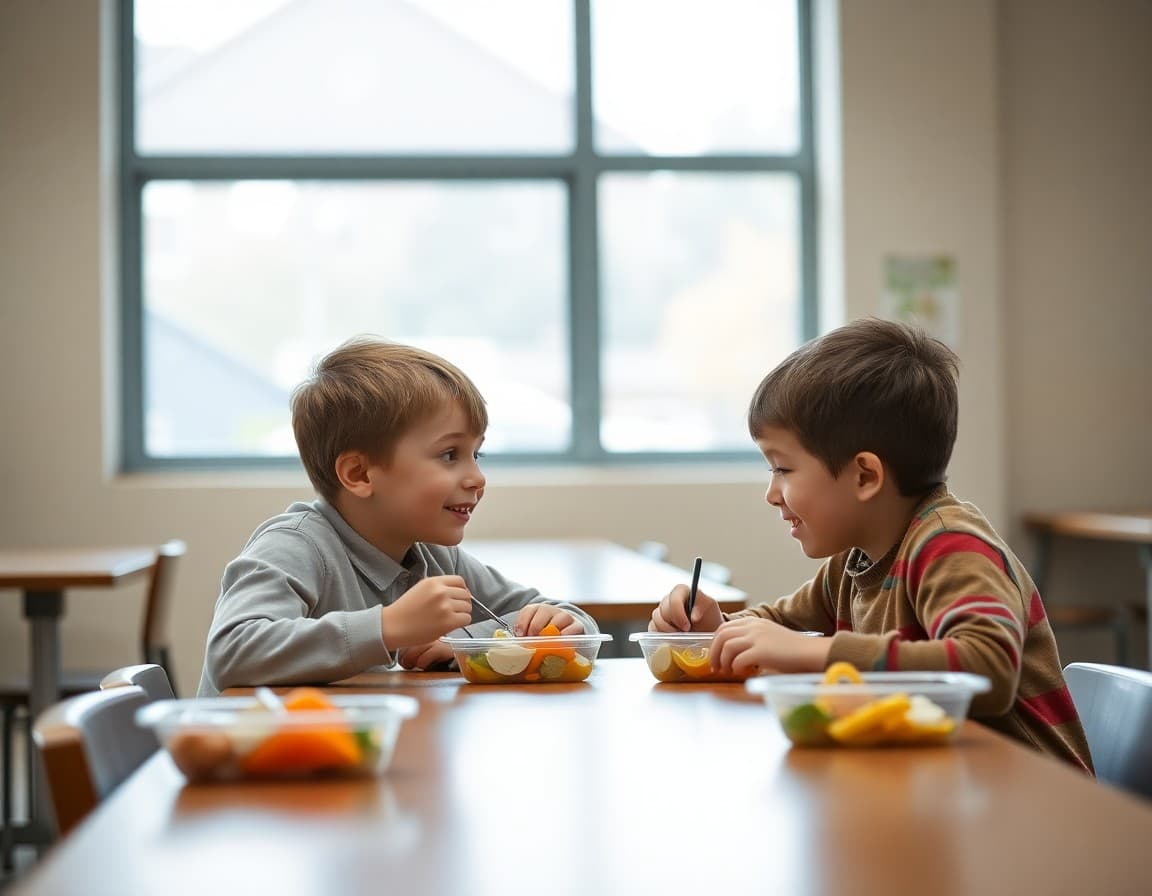
August is one of the most socially charged months of the school year. Students are returning to familiar faces or walking into a brand-new building, and for many of them, the biggest worry is not academic. It is whether they will have someone to sit with at lunch.
Why Friendship Skills Matter More Than Ever in August
The beginning of the school year sets social patterns that can last for months. Students who make one or two positive peer connections in the first two weeks tend to feel more settled, more willing to take academic risks, and more likely to ask for help when they need it. Students who do not connect can spiral into loneliness and school avoidance quickly. Your August newsletter is an opportunity to give families practical tools before those patterns form.
What Good Friendship Skills Look Like in K-5
Younger students are still learning the basics: how to introduce themselves, how to join a game already in progress, and how to handle it when someone says "no." Share simple conversation starters families can practice at home: "What's your favorite thing to do at recess?" or "Can I play with you?" These feel obvious to adults but are genuinely hard for six- and seven-year-olds who have never been taught them explicitly.
Friendship Skills for Middle Schoolers
Middle school friendship dynamics are more complex. Students at this age are navigating group membership, shifting alliances, and the social weight of who you sit with in the cafeteria. Help families understand that their middle schooler's social stress is real and developmentally normal. Encourage parents to listen without immediately problem-solving, and to ask open-ended questions instead of leading ones.
High School: Quality Over Quantity
By high school, most students have learned that having a small number of genuine friendships matters more than being universally liked. Your August newsletter for high school families can focus on maintaining existing friendships during schedule changes, recognizing when a friendship has become one-sided, and building connections through clubs and activities rather than trying to force social chemistry in class.
Red Flags Families Should Watch For
Give families clear signals that warrant reaching out to you: a child who cries on Sunday nights in anticipation of Monday, consistent reports of eating lunch alone, social withdrawal from family conversation, or a sudden loss of interest in activities they used to enjoy. Parents often normalize these signs as "just the transition." Your newsletter gives them permission to take them seriously.
What You're Doing in School to Support Social Skills
Families who understand your counseling program support it better. Let them know that your classroom guidance lessons in August and September focus on community-building and friendship skills. If you run social skills groups, explain what they are and how students can be referred. When families see the school-home connection, they reinforce what you teach rather than working around it.
A Sample Message From This Newsletter
Here is an example of how a counselor might frame an August friendship message: "This month in classroom guidance, we're talking about what makes a good friend and how to start conversations with someone new. You can support this at home by asking your child: Who did you talk to today? What did you find out about them? Even a short dinner conversation builds the social curiosity that leads to real friendships."
Sending Your August Newsletter With Daystage
Daystage lets you build your August newsletter before school starts and schedule it to send automatically on the first day of school or the week before. That means one less thing to manage during the most hectic week of your year. Families get a warm, professional message from the counseling office before they even step in the building, which sets the tone for the year ahead.
Get one newsletter idea every week.
Free. For teachers. No spam.
Frequently asked questions
Why is August a good time to focus on friendship skills?
August marks the start of a new school year when students face new classrooms, new peers, and sometimes a new school altogether. Addressing friendship skills at the start of the year gives families tools to help their children before social anxiety or loneliness sets in.
What friendship skills should counselors highlight in August?
Focus on initiating conversations, reading social cues, and joining a group already talking or playing. These are the most common stumbling blocks for students who struggle socially in the first weeks of school.
How can parents support friendship development at home in August?
Role-play conversation starters at home, arrange low-pressure playdates before the school year starts, and talk openly about what makes a good friend. Children who practice these skills at home show up more confident on the first day.
When should a parent contact the counselor about friendship concerns?
If a child consistently comes home saying they have no one to sit with, appears withdrawn for more than two weeks, or refuses school due to social anxiety, that's the right time to reach out. Early intervention prevents bigger problems later.
What platform helps counselors send August friendship newsletters?
Daystage lets school counselors build and schedule newsletters before the school year starts so they go out automatically on the right date. That means families get timely, relevant content even during the busiest weeks of August.

Adi Ackerman
Author
Adi Ackerman is a former classroom teacher and curriculum writer with 8 years in K-8 schools. She writes about school communication, parent engagement, and what actually works in real classrooms.
More for School Counselors
Ready to send your first newsletter?
3 newsletters free. No credit card. First one ready in under 5 minutes.
Get started free