
West Virginia Rural School Newsletter Guide for Coalfield and Mountain Communities
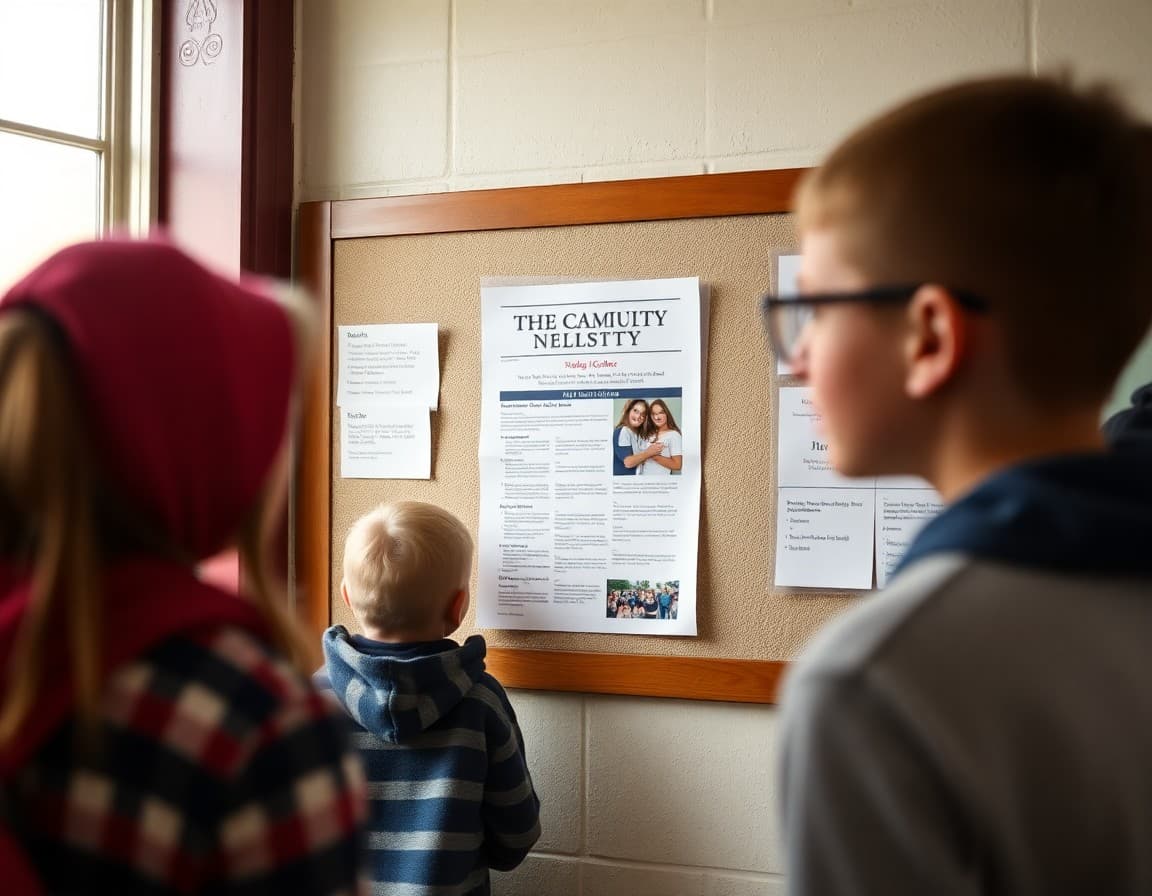
A principal in McDowell County, West Virginia, which has the highest poverty rate of any county in the state and one of the highest in the country, describes her newsletter as "the school's weekly promise to families." She means that the newsletter shows up every week, says what it says, and follows through. In a community where institutions have repeatedly failed families, consistency is itself a form of trust-building. The newsletter is not just communication. It is reliability made visible.
West Virginia's Rural School Communication Context
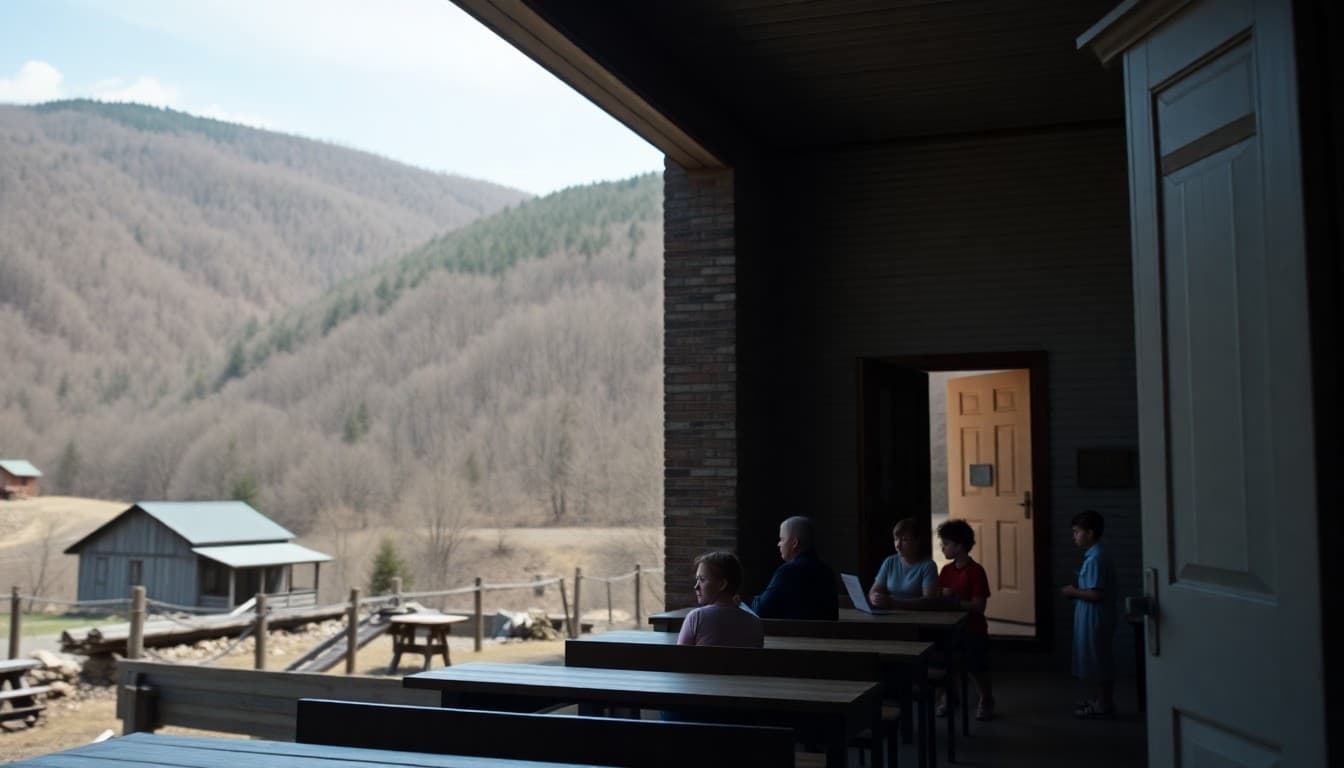
West Virginia is the most rural state east of the Mississippi. It has no major metropolitan area and no county that is not largely rural. The southern coalfield counties, McDowell, Mingo, Wyoming, and Logan, have persistent poverty rates among the highest in the country, alongside some of the worst broadband access in the Eastern United States. The central mountain counties from Pocahontas through Randolph have geographic isolation that compounds connectivity challenges. These schools serve families managing genuine hardship, and the newsletter needs to be built for that reality.
McDowell County and the Coalfield Crisis
McDowell County is sometimes cited as the most economically distressed county in the Eastern United States. Coal industry collapse, opioid crisis, outmigration, and limited infrastructure have compounded over decades. The school here is often the most stable institution in the community. A newsletter that is consistent, honest, and useful builds the kind of trust that families extend to institutions that have earned it, not ones that assume it.
Broadband Access in West Virginia Mountains
West Virginia's mountain terrain makes broadband infrastructure expensive and satellite internet the primary option in many areas. Many families rely on mobile data with strict caps. Plain-text email under 10KB is the only digital format that works reliably. For the significant portion of families with no digital access at all, the printed newsletter in the student folder is the primary school-to-family communication channel. This is not a temporary problem. It is the operating condition for schools in Mingo, McDowell, and Wyoming counties.
Resources First: The West Virginia Newsletter Priority Order
In communities with high poverty, food insecurity, and limited healthcare access, the newsletter that leads with resource information gets read by the families who most need it. Food pantry schedules, free meal information, health clinic hours, and family support resources belong in the first section of every West Virginia coalfield school newsletter. An event calendar follows. A school announcement follows that. The family's most urgent needs drive the order.
What Every West Virginia Rural School Newsletter Should Include
Five items per issue: resource information first (food pantry, health clinic, family support services), key dates, free meal reminder, one Title I program notice, and a student recognition. During winter months, add weather closure protocol. Keep total reading time under three minutes. Families managing multiple crises read short, useful newsletters. Long ones get set aside.
Food Security and the Newsletter
West Virginia's coalfield counties have food insecurity rates among the highest in the Eastern United States. Free meal programs, school pantries, and summer food sites are essential infrastructure for many students' families. Write about them directly in every issue: "Free breakfast at 7:15. Free lunch. The school pantry distributes Tuesdays and Fridays at 3 PM." Do not assume families know. Many do not, particularly those new to the school or newly in crisis.
Title I Communication in West Virginia
West Virginia has a very high percentage of Title I schools. The parent engagement policy, school-parent compact, and annual report distribution requirements are the same as in every state. In communities with lower adult literacy rates, a 5th-grade reading level summary in plain language is more accessible than a formal legal document. Quarterly newsletter inserts with summaries and phone contacts handle the requirement. Daystage makes it easy to save and reuse these blocks each quarter.
West Virginia rural schools that build newsletters grounded in their community's real conditions, treating families as partners rather than recipients, build the family trust that drives better attendance, stronger Title I engagement, and better student outcomes over time. In communities where institutions have failed, the newsletter that shows up every week, says what it means, and follows through is the foundation of everything else.
Get one newsletter idea every week.
Free. For teachers. No spam.
Frequently asked questions
What communication challenges are specific to West Virginia rural schools?
West Virginia is the most rural state east of the Mississippi and has persistent poverty across most of its 55 counties. Mingo, McDowell, and Wyoming counties in the southern coalfields have some of the highest poverty rates in the country and among the lowest broadband penetration rates in the Eastern US. Mountain terrain makes broadband infrastructure expensive to build.
How do West Virginia rural schools bridge the digital divide?
The two-track system, plain-text digital email plus printed copies for offline families, is not a workaround in West Virginia. It is the only approach that works. For many coalfield families, the printed newsletter in the student's folder is the primary school communication they receive. This needs to be designed for that purpose: clear, brief, and practically useful.
What communication tone works best for West Virginia Appalachian families?
Direct, plain, respectful language that treats families as capable partners rather than institutional recipients works best. West Virginia communities have a particular sensitivity to outside institutions that communicate in ways that imply the community is a problem to be solved. A newsletter written by someone who clearly knows and respects the community gets read.
What content is most important for West Virginia rural families?
Free meal information and food pantry schedules, health clinic hours, Title I program availability, state assessment schedules, and bus route changes are highest priority. In coalfield communities facing opioid and substance abuse crises, family support resources are also high-value newsletter content.
What newsletter tool works for West Virginia rural schools?
Daystage delivers lightweight newsletters and tracks open rates. For West Virginia's coalfield schools, the analytics help identify which families need printed copies and which need direct phone follow-up.

Adi Ackerman
Author
Adi Ackerman is a former classroom teacher and curriculum writer with 8 years in K-8 schools. She writes about school communication, parent engagement, and what actually works in real classrooms.
More for Rural & Title I
Rural School Newsletter Guide: Communication Strategies for Small and Remote Schools
Rural & Title I · 7 min read
Title I Parent Engagement Newsletter: Meeting Federal Requirements While Building Real Connections
Rural & Title I · 8 min read
Rural School Mental Health Newsletter: Communicating Limited Resources and Creative Solutions
Rural & Title I · 7 min read
Ready to send your first newsletter?
3 newsletters free. No credit card. First one ready in under 5 minutes.
Get started free