
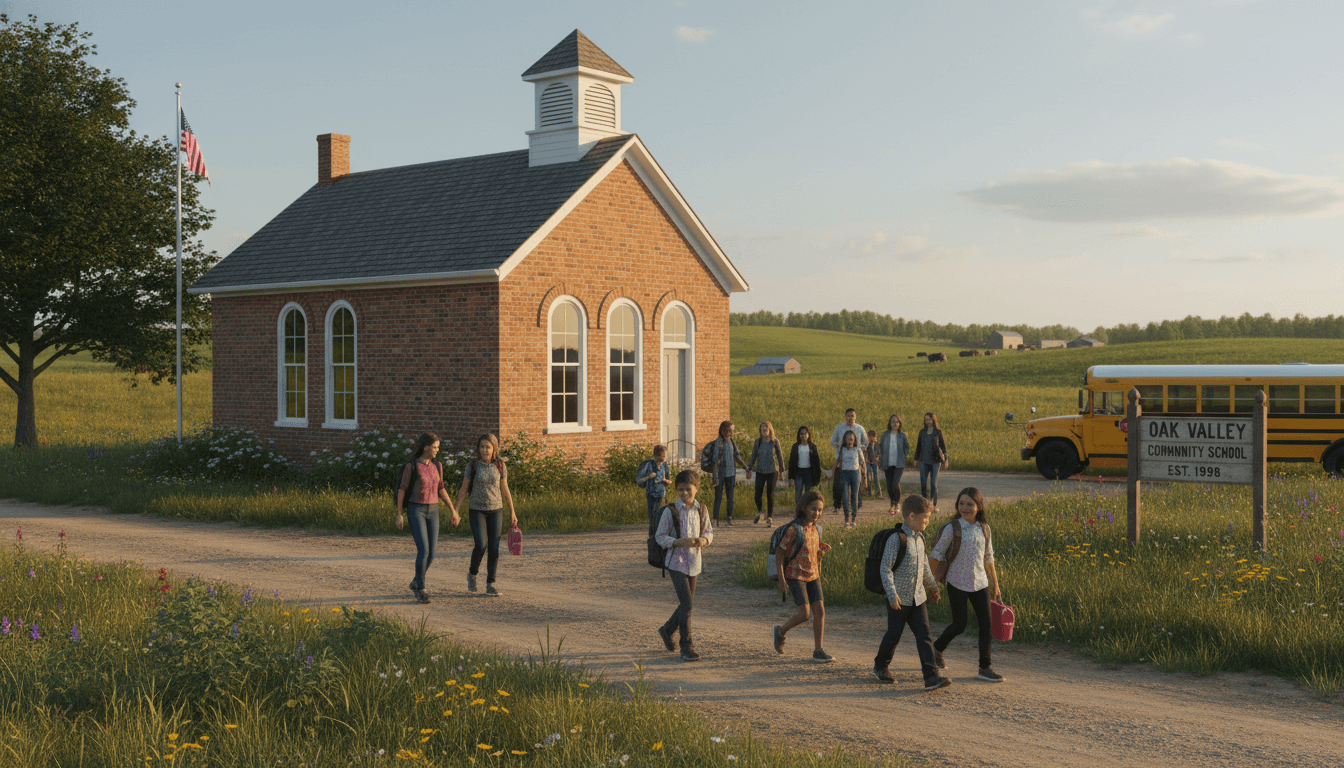
Rural School Newsletter Guide: Communication Strategies for Small and Remote Schools
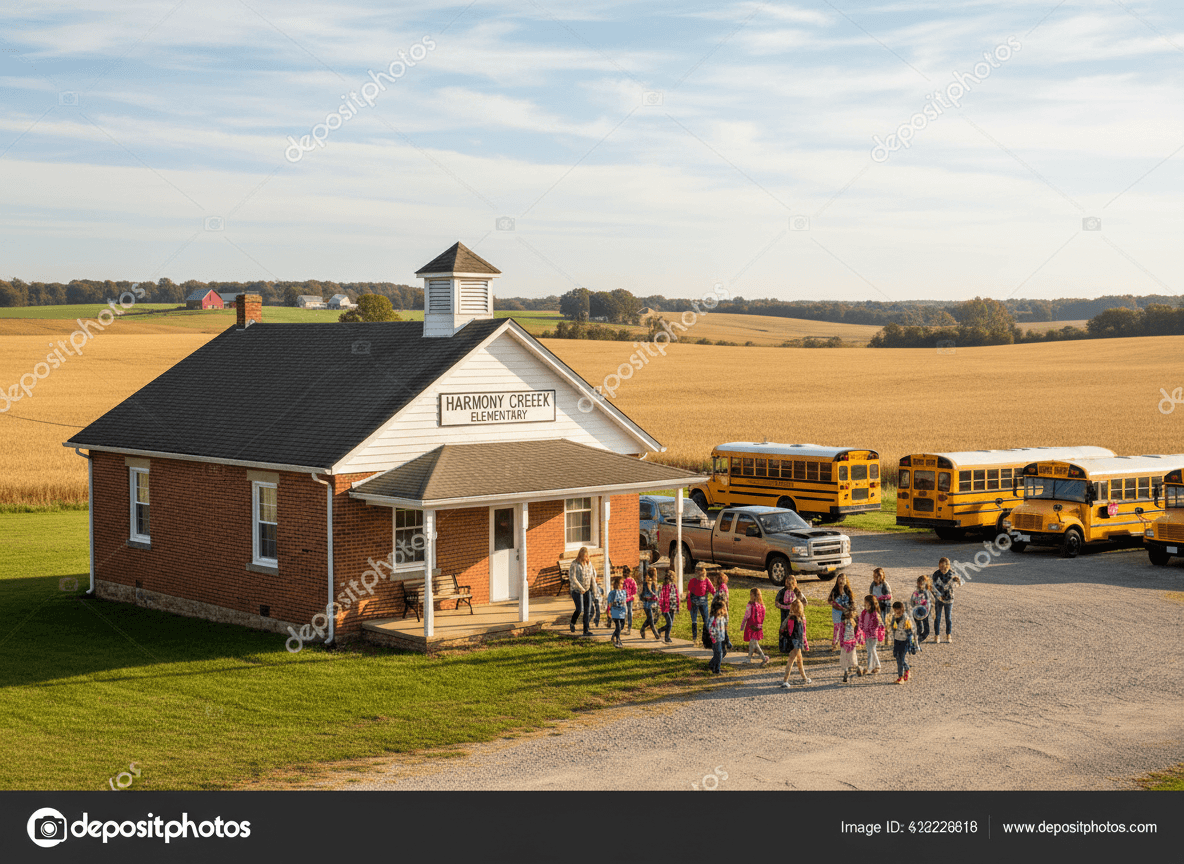
Standard school newsletter advice assumes things rural schools do not always have: reliable broadband at home, parents who check smartphones during the workday, and enough staff to delegate communication tasks. A rural K-8 school with 80 students and four teachers operates differently than a suburban elementary school with 500 students and a full-time secretary.
This guide covers communication strategies that work under rural constraints, not around them.
Know your families' actual access before you pick a format
The biggest mistake rural schools make with newsletters is choosing a format before checking what families can actually receive. Send a short survey home at the start of the year with three questions: Do you have reliable internet at home? Do you primarily use a phone or a computer to read school emails? Is there a time of day when you are most likely to read school communications?
In many rural districts, 20-40% of families have limited home broadband and rely on mobile data plans with caps. For these families, a lightweight email newsletter loads without issue. A newsletter that embeds four high-resolution photos and a video does not. Optimize for the lowest common denominator in your community, not the best-case scenario.
Email still outperforms apps in most rural contexts
Communication apps that require a download and account setup have a real adoption barrier in communities where families are skeptical of new technology, share devices, or have limited data. Email addresses are more universal, and families can receive email even on older phones without a data plan if they are near a WiFi hotspot.
When you send email newsletters, send the full content in the email body. Do not send a link to click. Families with unreliable connections may be reading on borrowed WiFi at the library or a neighbor's house. If they have to click through, you have lost half your audience.
Pair digital with paper for families at the margins
No digital-only communication plan reaches 100% of rural families. Accept this and build a paper backup into your workflow. Post the same newsletter content on the front door of the school, the community bulletin board at the local general store, and the laundromat if there is one. Print 10-15 copies and send them home with students whose families you know are not regularly opening email.
This is not a failure of your digital strategy. It is a realistic response to the actual community you serve.
Use the newsletter to reduce phone call volume
Rural teachers often handle their own phone calls because there is no secretary or the secretary also runs the front office, handles lunch counts, and supervises the bus. A well-structured newsletter that answers the questions parents call about is a real time saver.
Include a short "coming up this week" section with specific dates. "Wednesday: Library day, return books. Thursday: Spelling test on Unit 6 words. Friday: Picture day, wear school colors." Parents who read this do not need to call to ask if there is a test this week. Over a full school year, this adds up to meaningful time saved.
Write for a wide reading level
In rural communities, especially in areas where generational poverty exists, some parents did not complete high school. Others are highly educated but may be second-language speakers who moved to the area for agricultural work. Write your newsletter at roughly a 6th-grade reading level. Short sentences. Concrete language. No jargon like "formative assessment" or "scaffolded learning." If you mean "practice test," say "practice test."
Tools like Hemingway App can flag sentences that are hard to read. Run your newsletter through it the first few times until plain language becomes habit.
Batch your newsletters to match the school's natural rhythm
A weekly newsletter is the standard recommendation, but it assumes consistent week-to-week programming. Rural schools frequently have disruptions: weather cancelations, multi-day hunting season absences in some regions, school consolidations, and community events that take priority. If your school has a lot of irregular weeks, a biweekly newsletter may be more sustainable and more reliable than an inconsistent weekly one.
Consistency matters more than frequency. A newsletter that families can count on arriving the first Monday of every two weeks is more useful than one that arrives sometimes on Fridays, sometimes not at all.
Use the newsletter to connect the school to the community, not just parents
In small rural towns, the school is often the largest institution in the community. Local business owners, grandparents, church leaders, and community members who do not have children enrolled still care about what the school is doing. Consider a version of your newsletter, or a link to the public-facing web page of each newsletter, that you share with local businesses, the town council, or the senior center.
This builds community support for the school in ways that matter when budget votes happen or when you need local businesses to sponsor field trips. It also keeps the school visible as a community asset rather than just a building families send their kids to.
What rural schools get right that suburban schools miss
Rural schools have one real advantage in family communication: everyone knows everyone. You can be more personal in your newsletter because you are writing to parents you will see at the hardware store on Saturday. Use that. Mention specific students by name (with their permission for published content). Reference the town. Acknowledge shared local experiences. A newsletter that feels like it was written by a real teacher who lives in the same community lands differently than one that could have been sent by any school anywhere.
That specificity is the rural school's newsletter superpower. Use it.
Get one newsletter idea every week.
Free. For teachers. No spam.
Frequently asked questions
When should rural schools survey families about their communication preferences?
Send a three-question access survey in the first week of school, before committing to a newsletter format or send time. Asking upfront whether families have reliable home internet, what device they use, and when they are most likely to read saves months of guessing and adjusting.
What should a rural school newsletter include to reduce teacher phone call volume?
A short, specific 'coming up this week' section with named dates, test topics, and event details handles the most common parent call-ins. Parents who read that there is a spelling test Thursday on Unit 6 words do not need to call and ask. Over a full year, this consistently reduces front-office interruptions.
How can small rural schools reach families without reliable home broadband?
Send the full newsletter content in the email body, never behind a link. Post printed copies at the school entrance, the local general store, and the laundromat. Send paper copies home with the 10 to 15 students whose families you know are offline. This two-track approach adds about 15 minutes to the workflow each week.
What are the most common communication mistakes rural schools make with newsletters?
The most common mistake is choosing a format before checking what families can actually receive. Second is sending a newsletter that embeds large images or links to video, which fails on capped mobile data plans. Third is using jargon like 'formative assessment' instead of plain language that reads at a 6th-grade level.
Is there a newsletter tool designed for the constraints rural schools actually face?
Daystage is built specifically for school newsletters and handles the two things rural schools most need: lightweight email delivery that works on limited data plans, and analytics that show whether families are actually opening the newsletter so you know when a second channel is needed.

Adi Ackerman
Author
Adi Ackerman is a former classroom teacher and curriculum writer with 8 years in K-8 schools. She writes about school communication, parent engagement, and what actually works in real classrooms.
More for Rural & Title I
Rural School Transportation Newsletter: Communicating Bus Routes and Schedules to Families
Rural & Title I · 5 min read
Title I Parent Engagement Newsletter: Meeting Federal Requirements While Building Real Connections
Rural & Title I · 8 min read
Rural School Athletics Newsletter: How Schools Communicate Sports Programs to Small-Town Communities
Rural & Title I · 5 min read
Ready to send your first newsletter?
3 newsletters free. No credit card. First one ready in under 5 minutes.
Get started free