
PTA School Garden Newsletter: Growing Our School Community Together
A school garden is one of the most tangible things a PTA can create. Students grow food, learn science, and develop a connection to the natural world. Families gain a project that the whole community can be proud of. But a garden that is not consistently communicated about withers along with its plants. A school garden newsletter that documents what is growing, celebrates what has been harvested, and recruits the volunteer hours needed to keep it alive is what makes a garden a lasting school asset rather than a one-year experiment.
Announce the Garden Before the First Shovel Breaks Ground
The most effective garden newsletters start before the garden exists. A planning newsletter that shares the vision, the location, the timeline, and how families can be involved from the start builds investment that sustains volunteers through the long stretches between harvests. When families feel they helped build something, they are more likely to maintain it. The newsletter that introduces the garden is where that feeling begins.
Share What Is Growing and Why It Was Chosen
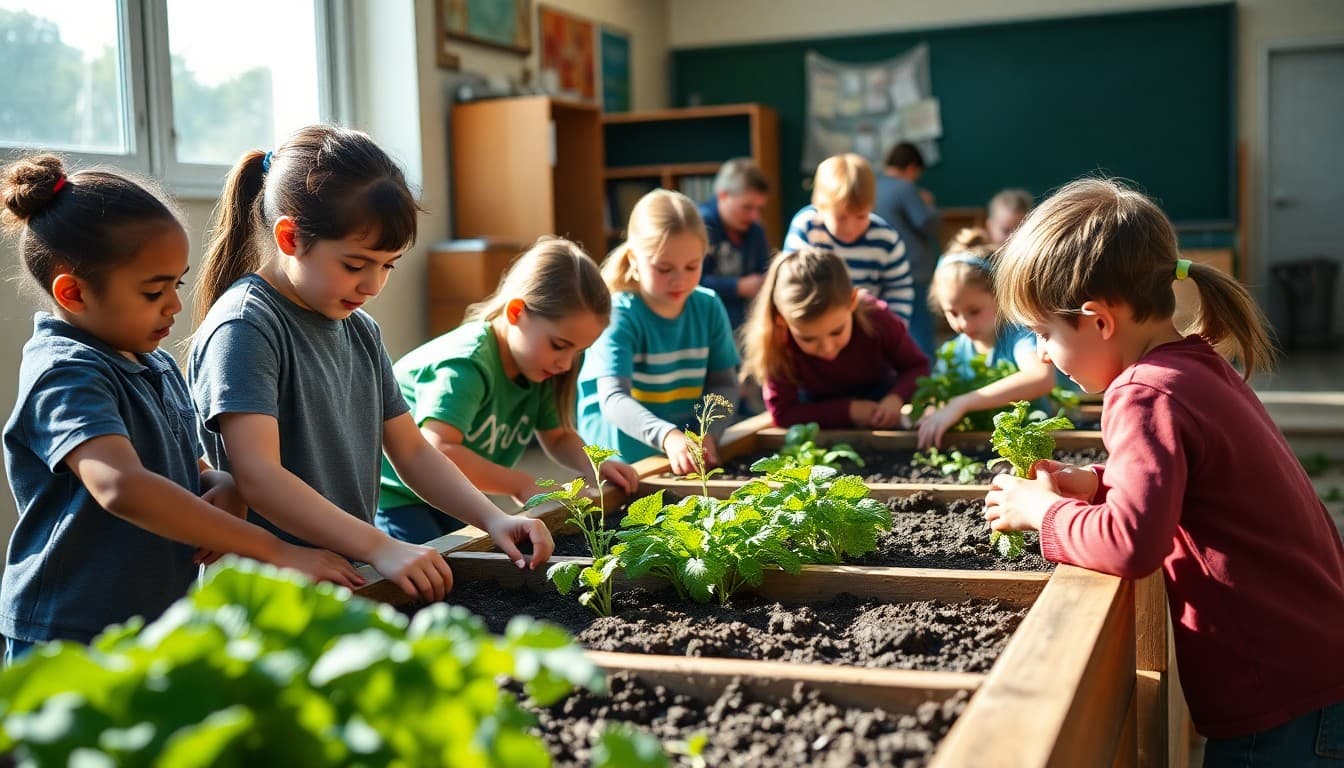
Families who know what is in the garden care about the garden. A simple seasonal update -- "We planted: 4 raised beds of tomatoes, 2 of zucchini, 1 of pole beans, and an herb bed with basil, parsley, and oregano. We chose these because they grow well in our climate and are used in the cafeteria's cooking" -- turns an abstract project into something specific and purposeful. Include a photo of the beds after planting. Show the empty garden. Show the seedlings. Show the harvest. That visual progression over the newsletters of a school year builds community pride.
Specific Volunteer Requests Work Better Than Open Invitations
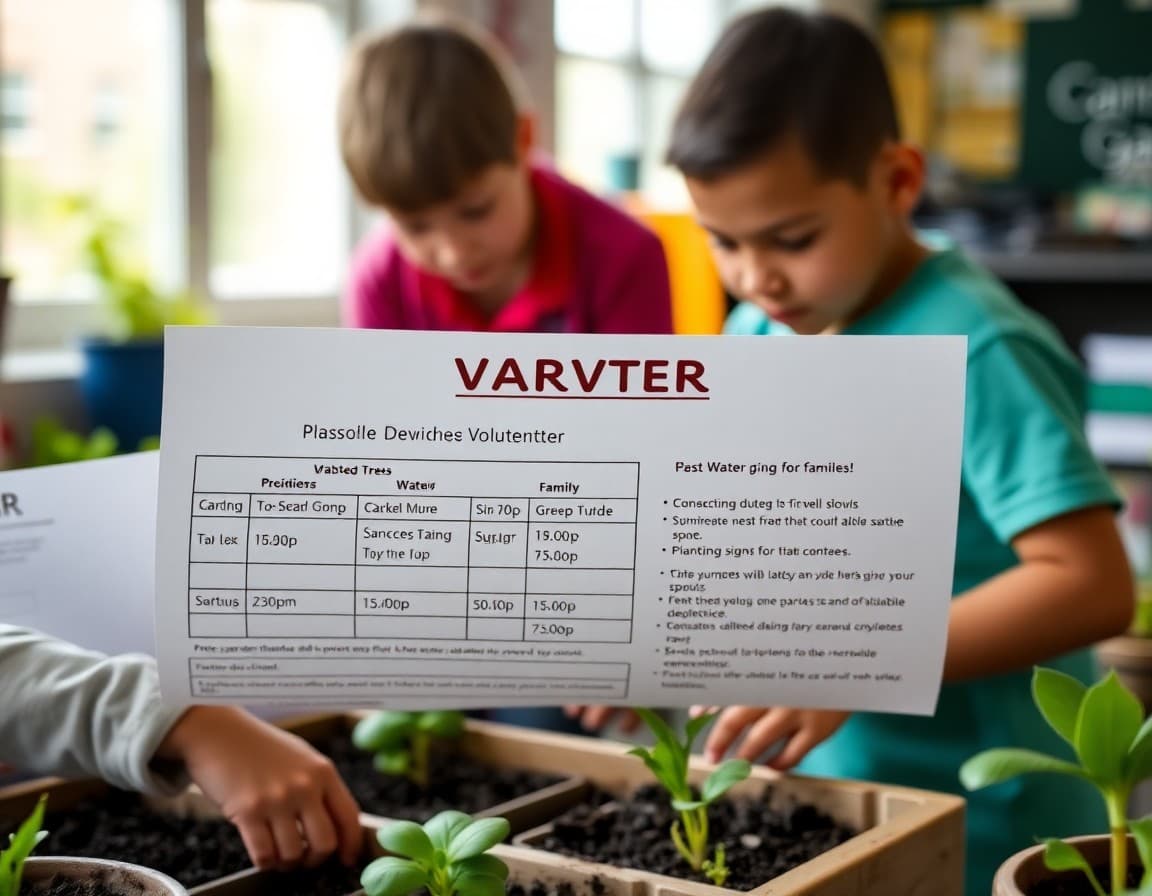
A newsletter that says "we always need garden volunteers" gets no response. A newsletter that says "we need two families to water the garden on Saturday July 19 from 8 to 9 AM" gets three responses. The specificity of the ask removes the uncertainty that keeps families from committing. Build a watering rotation for summer breaks and recruit for it explicitly in June: "We need one family per week from June 23 to August 8. Each shift is 45 minutes. Sign up for the week that works for you: [link]." That structure makes it easy to say yes and hard to fall through the gaps.
A Sample Garden Harvest Update
Here is what a seasonal garden newsletter update looks like in practice:
"October Garden Update -- The fall harvest is in. Last weekend, 12 families harvested 28 pounds of tomatoes, 18 zucchini, and the first batch of butternut squash. The tomatoes went to the cafeteria for salad bar this week. The squash is going to Ms. Kim's third-grade class for their cooking unit next Thursday. We have one remaining bed of kale that is ready to pick -- come join us Saturday October 19 at 9 AM, no sign-up needed. Next planting: we are putting in garlic and winter cover crop the first weekend of November. Sign up at [link] if you can help. More photos at westlakePTA.org/garden."
Connect the Garden to Classroom Learning
A school garden that connects to curriculum is harder to defund than one that operates as an extracurricular project. Your newsletter should communicate when and how teachers are using the garden as a teaching tool: the third-grade science unit on seed germination, the second-grade math lesson measuring plant growth, the cooking class that used herbs from the garden. These connections validate the garden's educational purpose and give families a reason to invest beyond aesthetics.
Celebrate the People Who Keep It Going
Every garden newsletter should name someone who made it possible. "Maria and her kids came every Saturday in July to water while we were on break." "Tom rebuilt the drip irrigation system that was leaking." "The sixth-grade class weeded every bed before the fall planting." Specific recognition keeps volunteers motivated and demonstrates to the wider community that real people are behind the project, not just a committee name on a sign.
Plan for Summer and School Breaks
The biggest risk to a school garden is neglect during summer and winter breaks when no one is watering or tending. Use your May newsletter to recruit the entire summer volunteer schedule before families leave for the year. Explain the stakes clearly: "If we do not water every week during summer, we lose the beds we have been building for two years." That context, delivered while families still feel connected to the school community, produces the volunteer commitment needed to keep the garden alive through the break.
Get one newsletter idea every week.
Free. For teachers. No spam.
Frequently asked questions
How does a school garden newsletter help with garden maintenance?
A garden newsletter coordinates the volunteer labor that makes a school garden sustainable. It recruits families for weekend watering shifts during summer and school breaks, announces planting and harvest days, shares what is growing and when it will be ready, and keeps the broader school community connected to the garden even when they are not there. Gardens that communicate consistently retain volunteer commitment better than those that only reach out when there is a crisis.
What should a school garden launch newsletter include?
The garden's location on school grounds, the initial planting plan, who the garden committee is and how to join, what the garden will grow and why those plants were chosen, how the garden connects to classroom learning, the first volunteer work day and sign-up link, and how families can contribute tools, seeds, or compost. Including a brief story about why the garden was started gives families an emotional connection to the project from the beginning.
How do you recruit ongoing garden volunteers through newsletters?
Use specific, time-limited asks rather than open-ended invitations. 'We need two families to water the garden this Saturday from 8-9 AM' is more effective than 'we always need garden volunteers.' Rotate the asks so the same families are not covering every shift. Offer a range of commitment levels: a one-time work day, a monthly shift, a summer weekly watering rotation. Matching the ask to the family's available time dramatically increases sign-up rates.
How should a school garden newsletter communicate about produce from the garden?
Celebrate what is growing with specific, joyful updates. 'The tomatoes are ripe and we harvested 14 pounds last week. They went to the cafeteria for Friday's salad bar.' That kind of report makes the garden feel real and purposeful. If produce goes to a food pantry, classroom cooking, or family harvest events, say so. Families who can see where the food goes feel more invested in growing it.
Can Daystage support PTA school garden newsletters?
Yes. Daystage lets you send garden updates with photos of what is growing, volunteer sign-up links, and harvest announcements to all school families in one newsletter. You can schedule seasonal updates around planting and harvest times and archive every newsletter so the garden committee has a record of what was communicated and what the garden produced each year.

Adi Ackerman
Author
Adi Ackerman is a former classroom teacher and curriculum writer with 8 years in K-8 schools. She writes about school communication, parent engagement, and what actually works in real classrooms.
More for PTA & PTO
Ready to send your first newsletter?
3 newsletters free. No credit card. First one ready in under 5 minutes.
Get started free