

PTA Cultural Fair Newsletter: Celebrating Our School's Diversity
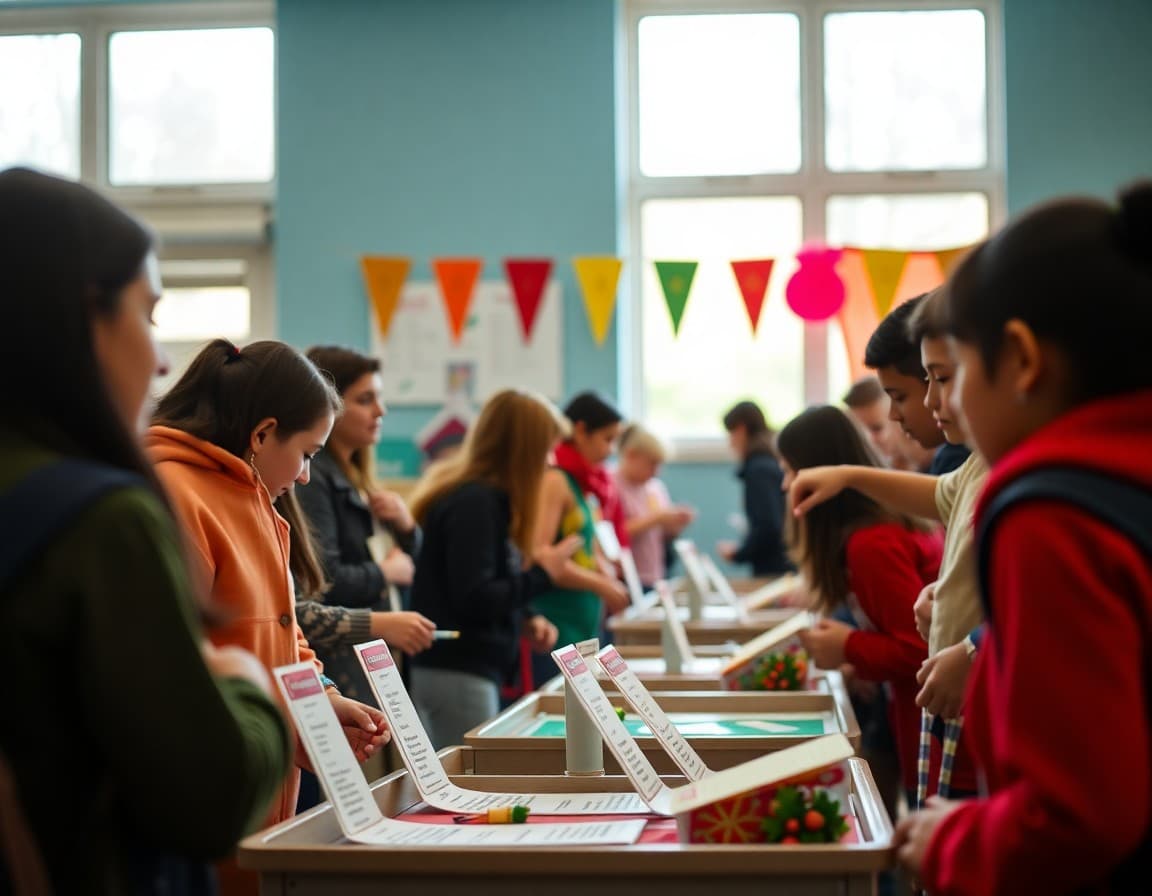
A school cultural fair works best when families feel genuinely invited to share something real about their culture, not just assigned a slot in an event program. The newsletter that launches a cultural fair sets the tone for the entire event. A warm, specific, genuinely curious invitation produces a fair where families bring food they actually make at home, performances they are proud of, and displays that reflect their real lives. A bureaucratic booth registration notice produces a fair of poster boards and storebought snacks.
Lead With the Invitation, Not the Form
The first newsletter about a cultural fair should be a genuine invitation to be seen, not a logistical memo about booth dimensions. "This April, we are hosting a cultural fair that celebrates every community represented in our school. We want to see your food, your music, your clothing, your art, your games, your stories. Whatever piece of your culture you are proud of, there is a place for it." That kind of invitation creates a different response than "Cultural fair registration is now open. Booth size: 6x6 feet."
Make Participation Options Explicit
Not every family can staff a booth for three hours. Not every family has a dish they can make for 200 people. Your newsletter should describe the full range of ways families can participate: host a full booth with food and display, contribute a dish or item to a community table, perform a song or dance for five minutes on the stage, submit photos for a cultural display board, or simply attend and share the event with extended family. Multiple entry points produce broader participation than an all-or-nothing model.
Address Food Safety Clearly and Directly
Food safety rules either enable or kill the most memorable part of a cultural fair: home-cooked food from families' actual kitchens. Know your district's policy before you send the registration newsletter. If home-prepared food is allowed, state the temperature and handling requirements. If only commercially prepared food is allowed, say so clearly and offer alternative ways to represent food culture: cookbooks, recipe cards, photos of traditional dishes. A newsletter that is vague about food rules creates conflict on the day of the fair.
A Sample Cultural Fair Registration Newsletter
Here is a template for the registration announcement:
"Cultural Fair 2025: Share Your World with Our School -- Date: Saturday, April 19, 11 AM to 3 PM, school gymnasium and courtyard. We are celebrating the 40+ cultures represented in our school community. Here is how to participate: Host a booth (tables provided; bring food, crafts, clothing, or cultural displays). Share a dish (contribute one traditional dish for the community tasting table; cooking from home is welcome; see food safety guidelines at [link]). Perform (5-15 minute performances on the community stage; sign up separately at [link]). Attend and bring family. Registration deadline: March 28. Register at westlakePTA.org/culturalfair. Questions in any language: email culturalfair@westlakePTA.org or call 555-0100. All families welcome. No experience needed. Just bring what you love about where you come from."
Recruit Specifically From Underrepresented Communities
Cultural fairs in diverse schools often end up with the most participation from the communities that are already most comfortable navigating school events. A newsletter alone may not reach families who are new to the school, who have limited English, or who are not connected to the PTA email list. Translating the newsletter, distributing it through community liaisons, and making phone calls in families' home languages brings in the participation that makes the fair genuinely representative of the school community.
Celebrate Participants in the Follow-Up Newsletter
The post-fair newsletter is where the cultural fair becomes part of the school's institutional memory. List every country and culture represented. Share three or four photos. Include a quote from a participating family and one from a student who attended. "Mrs. Santos brought three generations of empanada recipes from Ecuador. Her booth had the longest line of the afternoon." That kind of specific recognition honors the family's contribution and makes other families want to be in the recap newsletter next year.
Build Year-Round Cultural Awareness
A cultural fair once a year is valuable. Monthly cultural spotlights in the regular PTA newsletter extend that value across the entire school year. A short section featuring one cultural tradition, holiday, or community milestone from a family in the school community -- written by the family, in their voice -- builds the ongoing familiarity that makes the cultural fair feel like a culmination rather than an isolated event.
Get one newsletter idea every week.
Free. For teachers. No spam.
Frequently asked questions
What makes a PTA cultural fair newsletter effective at attracting participation?
The most effective cultural fair newsletters lead with a genuine invitation rather than a logistics announcement. Families who feel truly invited to share their culture respond differently than families who receive a form asking them to provide a booth. The newsletter should name the goal explicitly: we want every culture represented in our school to have a visible presence at the fair. Then explain how easy it is to participate at whatever level a family can manage.
What should a cultural fair booth registration newsletter include?
The fair date, time, and location. What a booth includes: table, tablecloth, signage, and what participants provide themselves. The range of participation options: food, cultural display, music or dance performance, traditional games, or a combination. The registration deadline and link. Any logistical details about food safety requirements if families are bringing food from home. Contact information for families who have questions or need language support.
How do you encourage participation from families who are hesitant about cultural representation?
Some families, particularly recent immigrants or families from communities that have experienced discrimination, are hesitant to make their culture visible in a school setting. A newsletter that emphasizes the celebratory tone of the event, names who has already signed up, and mentions that any level of participation is welcome removes barriers. A personal outreach call or email in the family's home language from the committee chair often converts hesitant families into enthusiastic participants.
What are the food safety considerations for a cultural fair food booth?
Check your district's food safety policies before publishing booth guidelines. Some districts allow home-prepared food; others require food from licensed kitchens or commercially packaged items. If home-prepared food is allowed, specify temperature requirements for hot and cold items. If it is not allowed, explain the restriction clearly so families know before they sign up. A newsletter that is unclear about food rules creates problems on fair day that could have been avoided.
Can Daystage help PTAs communicate the cultural fair to families?
Yes. Daystage lets you send the cultural fair invitation in multiple languages with a booth registration link embedded directly in the newsletter. You can send the announcement to all school families, then follow up with targeted reminder emails to families who have not yet registered. After the fair, a photo-rich recap newsletter celebrates the event and gives families who could not attend a window into what happened.

Adi Ackerman
Author
Adi Ackerman is a former classroom teacher and curriculum writer with 8 years in K-8 schools. She writes about school communication, parent engagement, and what actually works in real classrooms.
More for PTA & PTO
Ready to send your first newsletter?
3 newsletters free. No credit card. First one ready in under 5 minutes.
Get started free