

Principal Newsletter: Introducing Your School Safety Committee to Families
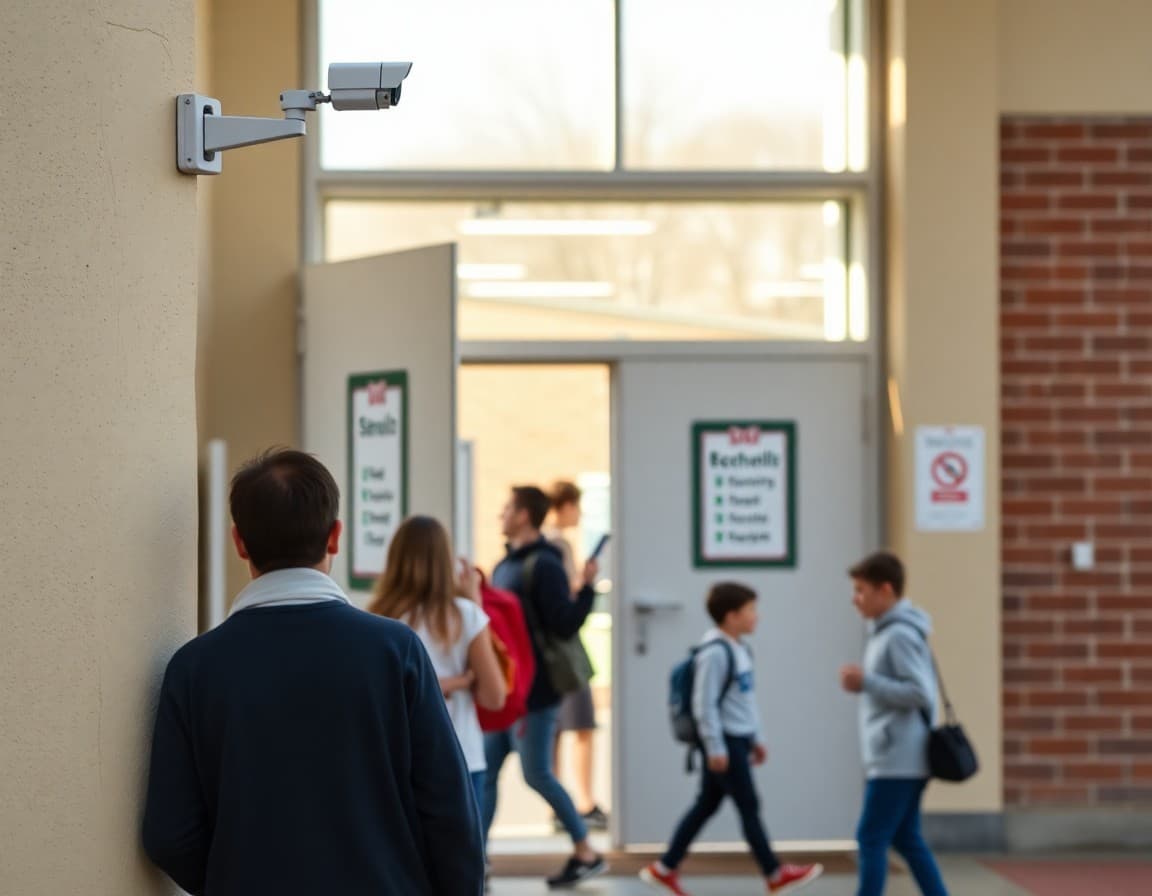
Most families do not know their school has a safety committee. They assume safety is something that happens at the district level or is handled reactively. A newsletter that introduces the committee and describes its work resets that assumption.
The Committee Members and Their Roles
Name every member of the safety committee and describe why their perspective matters. The school counselor brings knowledge of at-risk student warning signs. The school resource officer brings law enforcement perspective and emergency protocol expertise. The parent representative brings the family perspective on what visible safety looks like from outside the building. The teacher representative brings daily knowledge of the school's physical environment. This level of description transforms the safety committee from a bureaucratic requirement into a real team that families can understand and trust.
What the Committee Reviews
Describe the committee's scope. It reviews incident data quarterly to identify patterns. It assesses the physical environment for vulnerabilities. It updates emergency protocols when new guidance is issued or after drills reveal areas for improvement. It coordinates with local police and fire departments on joint preparation. It reviews the school's response to specific incidents to identify what worked and what did not. Families who understand this scope see safety as actively managed rather than passively assumed.
What the Committee Has Done This Year
Name specific improvements. Updated the visitor sign-in system. Added secure vestibule access at the main entrance. Changed the lockdown communication protocol based on feedback from the last drill. Completed a physical plant security assessment with the district safety coordinator. Added a crisis counselor hotline to emergency communications. These specifics are what make the committee feel real and functional rather than theoretical.
How Families Can Contribute
Tell families how to submit safety concerns or suggestions. A direct email to the safety committee chair, a form on the school website, or an invitation to attend one of the committee's open meetings are all options. Families who have a clear path to raise concerns are less likely to let those concerns fester or escalate into community conflict. They are also sometimes the source of the most useful safety information the school receives, because they observe the building from the outside perspective every day at drop-off and pick-up.
The Connection to District and Community Safety
Describe how your school safety committee connects to the district-level safety infrastructure and to local law enforcement partnerships. Families who understand that school safety is part of a larger, coordinated system have more confidence in the school's ability to respond effectively to emergencies than families who imagine the school is operating in isolation.
Using Daystage for Safety Committee Communication
Daystage makes it easy to build a safety committee newsletter with member introductions, work descriptions, and family input channels. Send it at the start of the year alongside your general safety policy communication and update it when the committee makes changes that families should know about. An annual update from the committee is a high-trust communication that costs very little time to produce.
Get one newsletter idea every week.
Free. For teachers. No spam.
Frequently asked questions
What should a principal newsletter about the school safety committee include?
Name the committee members and their roles. Describe what the committee reviews and recommends. Explain how families can provide input. Share specific improvements the committee has made this year. Tell families how safety concerns are raised and addressed.
Who should be on a school safety committee?
Typically: principal, assistant principal or dean, school resource officer or security coordinator, school counselor, a teacher representative, a parent representative, and in high schools a student representative. The newsletter should name each member and explain why their perspective matters to the committee's work.
What does a school safety committee actually do?
Reviews incident data, assesses physical plant vulnerabilities, develops and updates emergency protocols, coordinates with local law enforcement and emergency management agencies, reviews drill effectiveness, and makes policy recommendations to the principal and school board. Describing these functions helps families understand that safety is actively managed rather than assumed.
How do principals communicate about safety without creating unnecessary anxiety?
Frame safety work as proactive preparation rather than response to specific threats. Tell families what the school is doing to maintain safety rather than what it is protecting against. Save specific incident communication for incident-specific communications. The safety committee newsletter is about the system, not the threats.
What tool helps principals send newsletters efficiently?
Daystage makes it easy to build a safety committee newsletter with member introductions, committee work descriptions, and family input channels. You can send it at the start of the year and update it when the committee makes changes that families should know about.

Adi Ackerman
Author
Adi Ackerman is a former classroom teacher and curriculum writer with 8 years in K-8 schools. She writes about school communication, parent engagement, and what actually works in real classrooms.
More for Principals
Ready to send your first newsletter?
3 newsletters free. No credit card. First one ready in under 5 minutes.
Get started free