

Sharing Your School Safety Plan in the Principal Newsletter
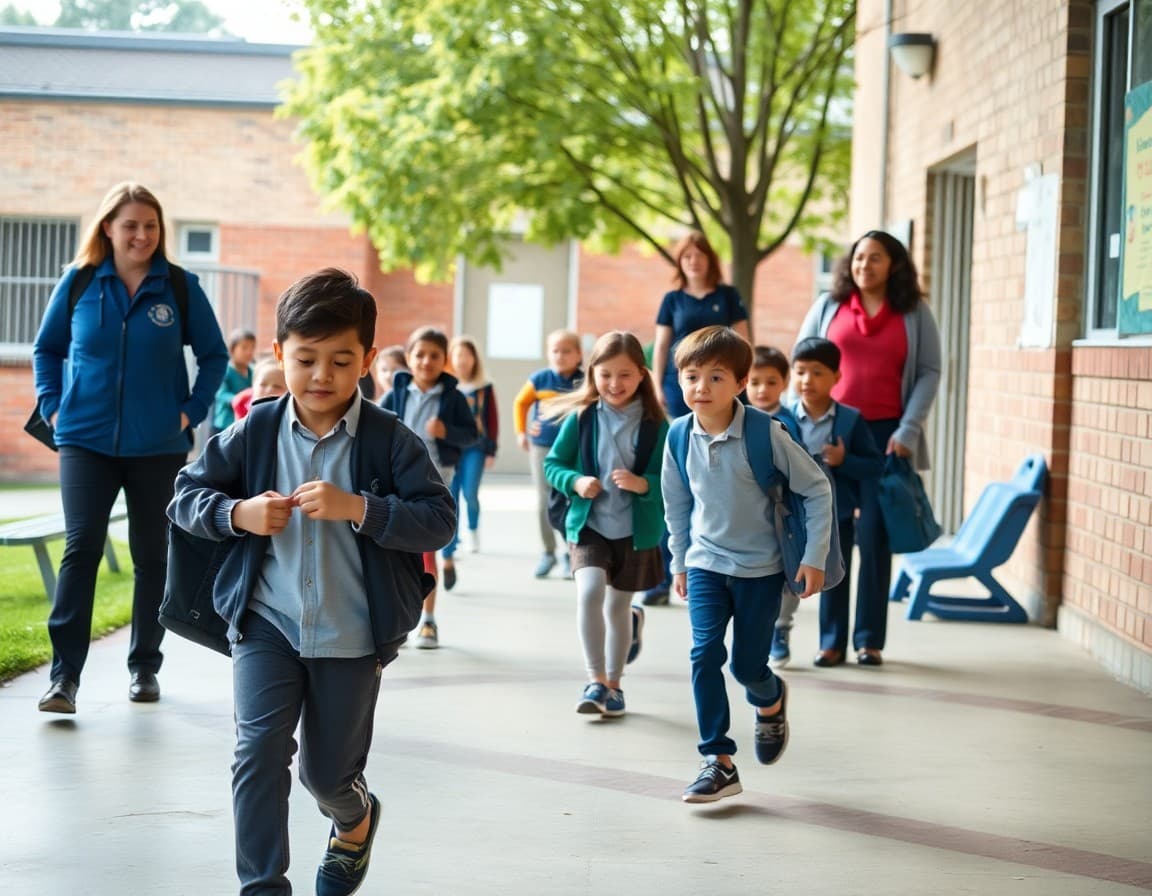
Safety newsletters walk a line that no other communication requires. Too much information creates a vulnerability. Too little and families feel uninformed. The right newsletter gives families what they need to be partners in school safety -- and withholds the operational details that should stay internal. Here is how to get that balance right.
Start With What Safety Means at Your School
Before you describe procedures, describe the philosophy. "Safety at our school is everyone's responsibility -- staff, students, and families. We take it seriously not because we live in fear but because preparation is what makes it possible for students to focus on learning every other day of the year." That framing normalizes safety work without amplifying anxiety.
Describe the Drill Types Families Will Hear About
Students will talk about drills at home. Families should know the context before those conversations happen. "This year, students will participate in fire drills (monthly), evacuation drills (twice a year), lockdown drills (once per semester), and shelter-in-place drills (once in the spring). Each drill type addresses a different type of emergency. Teachers prepare students in advance using age-appropriate language." That paragraph demystifies the drills and gives families context for home conversations.
Explain How Families Will Be Notified in an Emergency
This is among the most important information the newsletter can provide. "In the event of an emergency, we will notify families through our district emergency notification system (a call, text, and email to the contact on file). Follow all instructions in those messages. Do not call the school or come to campus until we tell you it is safe to do so." That last sentence is critical -- families who rush to school during an active lockdown create safety complications.
A Template Safety Newsletter Section
Here is a section that covers what families need:
"Each fall we share a brief overview of our safety procedures. We conduct regular drills for fires, evacuations, and lockdowns. Students are prepared before each drill with age-appropriate instruction. In any emergency, you will receive a notification through our district system -- phone, text, and email. Please keep your contact information current in our system. If an evacuation is required, our family reunification site is the community center at 210 Oak Street. To report a safety concern, call (555) 400-2000 anytime, 24 hours a day. We take every report seriously."
Give Families the Reporting Pathway
One of the most effective safety tools in a school is an informed community. Families often know things -- about social media threats, a student's mental state, or a rumor circulating in a neighborhood -- that the school does not. Make it easy to report. Name the tip line, an anonymous online reporting option if you have one, and the main office. Tell families that all reports are followed up. Then make sure that is true.
Address What to Do If They Receive an Alarming Message From Their Child
During a lockdown, students often text their parents -- and parents panic and call or come to the school. The newsletter can prepare families for this. "If your child texts you during a drill or an emergency, stay calm and do not call the school. Follow the instructions in the official notification. Coming to campus during a lockdown makes it harder for us to keep everyone safe." That guidance, read in advance, can prevent a dangerous situation.
Describe What You Will Not Publish
Families sometimes ask for more detail than you can responsibly provide. A brief note about why you are keeping some information internal is appropriate. "We do not publish the full details of our emergency response plan because doing so would create a security vulnerability. What we share is what families need to know to be our partners. For questions about specific procedures, contact me directly." That transparency about limits builds trust rather than suspicion.
Update Families Annually
A safety newsletter sent at the start of each school year ensures the information is always current. Staff changes, new procedures, updated contact systems, and changes to the reunification site all need to be communicated. An annual safety section in your fall newsletter treats safety as a consistent priority -- not a one-time response to an incident.
Get one newsletter idea every week.
Free. For teachers. No spam.
Frequently asked questions
What should a principal newsletter say about the school safety plan?
Cover what families need to know to partner with the school: what types of drills students will practice, how families will be notified in an emergency, where to reunite with their child if an evacuation occurs, and how to report a safety concern. Do not publish the full emergency response plan -- that creates security vulnerabilities.
How much detail should the principal share about safety procedures in the newsletter?
Enough for families to know what to expect and how to respond -- not so much that the newsletter functions as a map for someone with harmful intent. Describe procedure types (lockdown, evacuation, shelter-in-place) and their general purpose. Specific details like exact assembly points, access codes, or staff assignments should not be published publicly.
How do I communicate safety information without alarming families?
Frame safety drills as standard professional practice, not as a response to a specific threat. 'We practice fire drills, evacuation drills, and lockdown procedures regularly as part of our responsibility to be prepared. These are standard practices in all schools.' That framing is accurate, grounding, and does not amplify anxiety.
What should the newsletter say about reporting safety concerns?
Be explicit. 'If you hear or see something that concerns you about student safety -- online or in person -- please contact the main office, call our anonymous tip line at (555) 400-2000, or submit a report at the link below. We take every report seriously and follow up on each one.' Clear reporting pathways are one of the most important things a safety newsletter can provide.
What communication tool helps send urgent safety notifications to families?
For planned communication like safety plan updates, Daystage is well-suited. For real-time emergency notifications during an active event, a dedicated emergency notification system should be your primary channel. Daystage can be used for follow-up communication after an incident is resolved.

Adi Ackerman
Author
Adi Ackerman is a former classroom teacher and curriculum writer with 8 years in K-8 schools. She writes about school communication, parent engagement, and what actually works in real classrooms.
More for Principals
Ready to send your first newsletter?
3 newsletters free. No credit card. First one ready in under 5 minutes.
Get started free