

Principal Newsletter: What to Communicate After a School Fire Drill
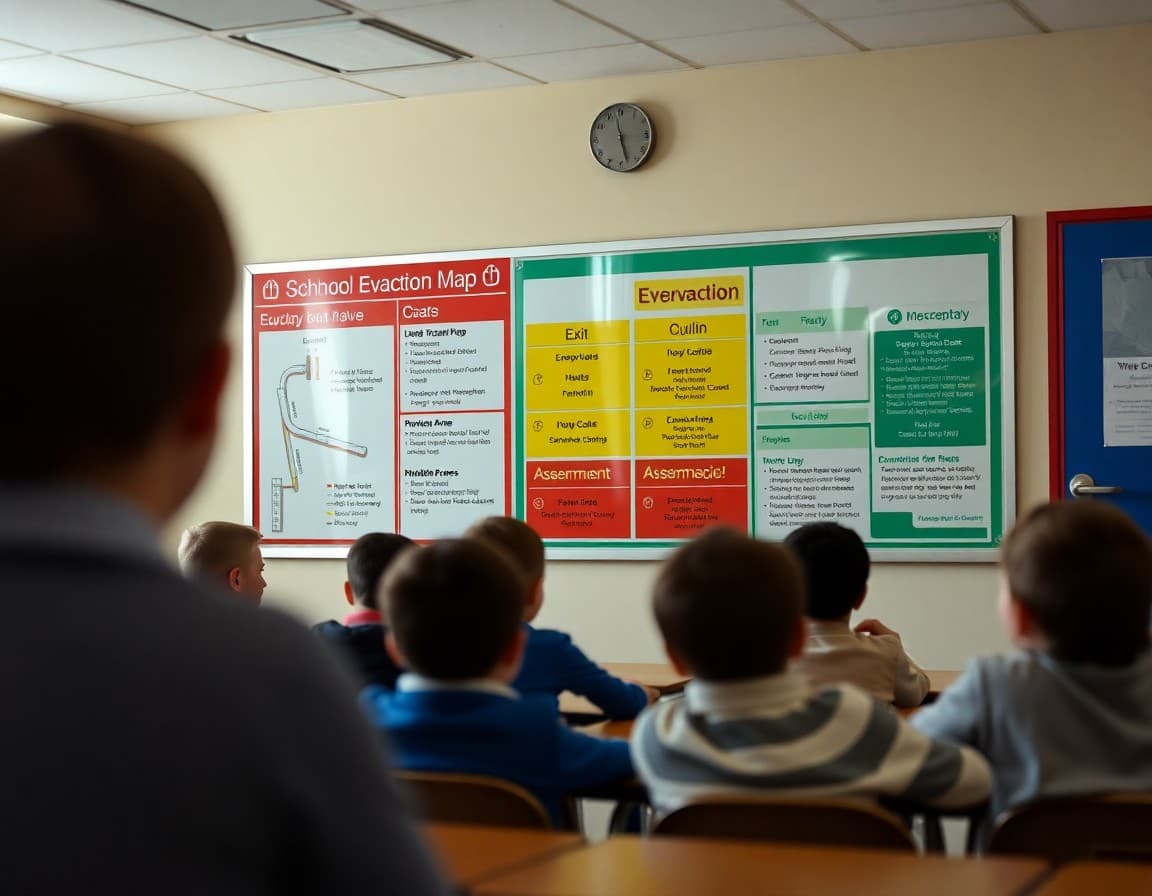
Most schools do not send newsletters after fire drills. That is a missed opportunity. A brief, direct communication builds family confidence in school safety operations and closes a communication gap that anxiety has no trouble filling.
What the Drill Was and How It Went
Start simply. Something like: today we conducted our first fire drill of the school year. All students and staff evacuated the building within our standard timeframe and were accounted for at the designated assembly areas. Teachers reviewed exit routes before the drill and students followed procedures well. That is the kind of reassurance that builds trust in the school's safety operations without requiring families to ask.
What the School Is Practicing
Tell families why drills happen. Muscle memory. Knowing where to go without having to think about it. Building the automatic response so that in an actual emergency, students are not making decisions they have never practiced. Drills are not about teaching children that emergencies happen. They are about building the calm, practiced response that makes emergencies survivable. That framing helps families who are ambivalent about exposing young children to emergency scenarios.
What Improvements You Are Working On
If there were areas of the drill that did not go perfectly, be transparent about them without creating alarm. Something like: we noticed that the transition from our portable classrooms to the main assembly area took longer than we would like. We are working with those teachers to adjust the route. Families who see that the school identifies and works on improvement trust the safety program more than families who only hear that everything was perfect.
Addressing Student Anxiety
Some students are stressed by drills. Younger children may find the alarm frightening. Students with sensory sensitivities may need specific accommodations. Students who have experienced real emergencies elsewhere may be triggered by drill procedures. Address this directly. Describe what teachers do to prepare students before the alarm, what accommodations are available for students who need them, and how families can talk with their children afterward in a way that normalizes safety practice without increasing anxiety about danger.
How Families Can Help
Give families a specific role. Something like: if your child mentions the drill today, acknowledge it matter-of-factly. You can say: that is how we practice knowing what to do just in case we ever need it. Practicing it ahead of time means we know exactly what to do. Calmness at home reinforces calmness at school. Families who receive this language use it, and students who hear that their parents are not alarmed by drills return to school with less residual anxiety.
Using Daystage for Safety Communications
Daystage makes it easy to send a brief, professional post-drill communication the same day a drill takes place. You can build a safety communication template that can be quickly adapted for different drill types and sent within the hour. Families who receive timely, clear information about safety events feel more connected to and confident in the school's safety operations.
Get one newsletter idea every week.
Free. For teachers. No spam.
Frequently asked questions
Should a principal send a newsletter after every fire drill?
Not necessarily after every routine drill, but a brief communication after the first drill of the year and after any drill that revealed areas for improvement is valuable. Families appreciate knowing that safety drills happen and that the school takes the process seriously.
What should a post-fire-drill newsletter include?
A brief description of how the drill went, any procedural areas the school is working to improve, what students should know about emergency procedures, and how families can talk to their children about drills in an age-appropriate way. If students expressed anxiety, address that directly.
How do you address student anxiety about fire drills in a principal newsletter?
Acknowledge that drills can be stressful for some students, particularly younger children or students with sensory sensitivities. Describe how teachers prepare students in advance and what the school does to support anxious students during drills. Give families language they can use to discuss drills calmly at home.
Should a principal share the results of a fire drill with families?
A brief summary is appropriate. You do not need to report evacuation times to the second, but telling families that all students and staff were accounted for within a standard timeframe, or that you are working on a specific improvement, builds appropriate transparency about safety operations.
What tool helps principals send newsletters efficiently?
Daystage makes it easy to send a brief, professional post-drill communication to families quickly. You can build a template for safety communications that can be adapted and sent the same day a drill takes place.

Adi Ackerman
Author
Adi Ackerman is a former classroom teacher and curriculum writer with 8 years in K-8 schools. She writes about school communication, parent engagement, and what actually works in real classrooms.
More for Principals
Ready to send your first newsletter?
3 newsletters free. No credit card. First one ready in under 5 minutes.
Get started free