

Principal Newsletter: Launching a Reading Superhero Program at Your School
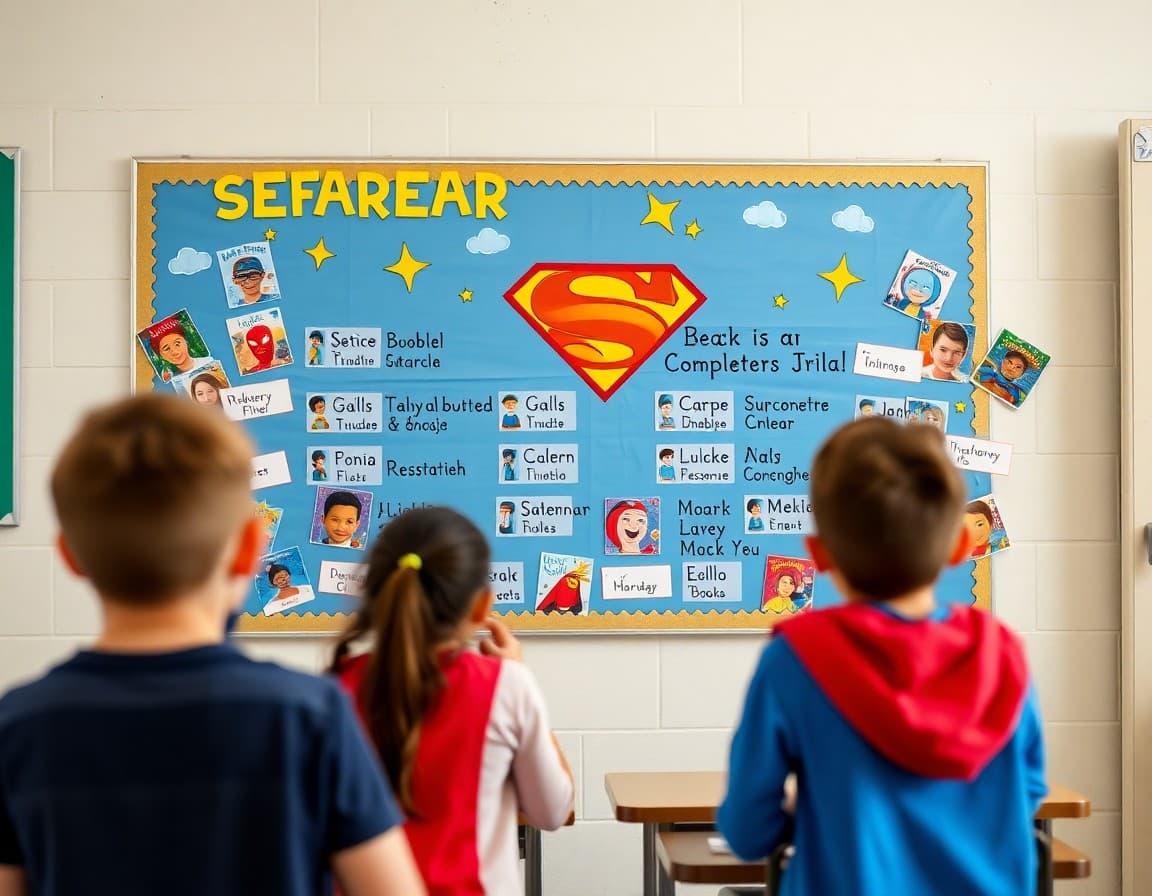
Reading challenges work when students believe that what they are doing counts and that someone is paying attention. Your newsletter is the signal that the school takes this seriously and that every student who reads has a place in the story.
The Challenge Concept
Name the theme clearly. A reading superhero program is typically built around the idea that every student who meets their reading goal earns a recognition, a visual identity as a school reader, and a place in the community reading story. Describe the specific format: how many minutes per day, how students log their reading, what counts toward the goal, and what the recognition looks like when a student meets their target. Clear rules reduce confusion and increase participation.
Individual Goals Over a Single Bar
The most common mistake in school reading challenges is setting a single threshold that every student must meet. This systematically excludes students reading below grade level while providing no additional motivation to students who already read that much without any challenge at all. Individual goals, set with teacher input, mean every student is working toward something genuinely challenging for them. The newsletter is where you explain this design decision so families understand why the challenge is structured the way it is.
What Counts as Reading
Tell families explicitly what formats count. Chapter books and picture books clearly count. Graphic novels should count. Audiobooks should count for students whose accessibility needs make print reading difficult. Nonfiction magazines and informational texts should count. Reading at home in the family's first language should count. The more you include, the more students you reach. The newsletter is where you make those inclusions explicit so families know that the book their child chose is welcome.
Family Participation
Give families one specific role. Not please support your child's reading at home. Something like: ask your child what their reading superhero goal is and check in once a week. Or: try reading alongside your child for ten minutes each evening so they see that adults read too. One concrete thing is far more useful than a general instruction. Families who have a specific role feel included rather than merely informed.
Community Reading Goal
A school-wide collective goal alongside individual goals builds community momentum. Something like: our school is trying to read 50,000 pages before the end of the semester. Every student's reading counts toward the total. Progress updates shared weekly in a newsletter or on the school announcement board keep energy high. The collective goal is a conversation students bring home, which extends family engagement beyond the newsletter itself.
Using Daystage for the Challenge Launch
Daystage makes it easy to build a visually engaging reading challenge launch newsletter with a community goal tracker, a family participation guide, and a link to the reading log or signup form. You can schedule weekly progress update newsletters throughout the challenge to keep momentum going and send a final celebration newsletter naming every student who met their goal.
Get one newsletter idea every week.
Free. For teachers. No spam.
Frequently asked questions
What should a principal newsletter launching a reading superhero program include?
Name the program rules, how students earn recognition, what the reward structure looks like, the timeline, and how families participate. Include a reading log or sign-up link. Set a community reading goal if you want to build schoolwide momentum.
How do you design a reading challenge that motivates reluctant readers?
Set individual goals rather than a single school-wide threshold. A student reading below grade level can be a reading superhero for meeting their personal goal. Celebrate completion alongside volume. Feature a variety of book types including graphic novels, audiobooks, and nonfiction so every student sees something that appeals to them.
What kinds of recognition work best for elementary reading challenges?
Costume days, principal read-alouds, name displays in the hallway, book character activities, and classroom pizza parties for meeting the class goal are all high-engagement formats for elementary students. Recognize effort and participation alongside volume at the individual level.
How do you involve families in a school reading challenge?
Give families a role that does not require significant time. Signing the reading log takes thirty seconds. Reading aloud with their child for ten minutes counts. Asking their child what happened in the book they read today is a strategy that can be done in the car. Families who are given a specific role are more likely to play it than families who receive a general encouragement to support reading.
What tool helps principals send newsletters efficiently?
Daystage lets you build a visually exciting reading challenge launch newsletter with a community goal tracker, family participation guide, and links to the school library catalog and reading logs. You can send progress updates throughout the challenge to maintain momentum.

Adi Ackerman
Author
Adi Ackerman is a former classroom teacher and curriculum writer with 8 years in K-8 schools. She writes about school communication, parent engagement, and what actually works in real classrooms.
More for Principals
Ready to send your first newsletter?
3 newsletters free. No credit card. First one ready in under 5 minutes.
Get started free