

Principal Newsletter: Announcing New Library Books to Families
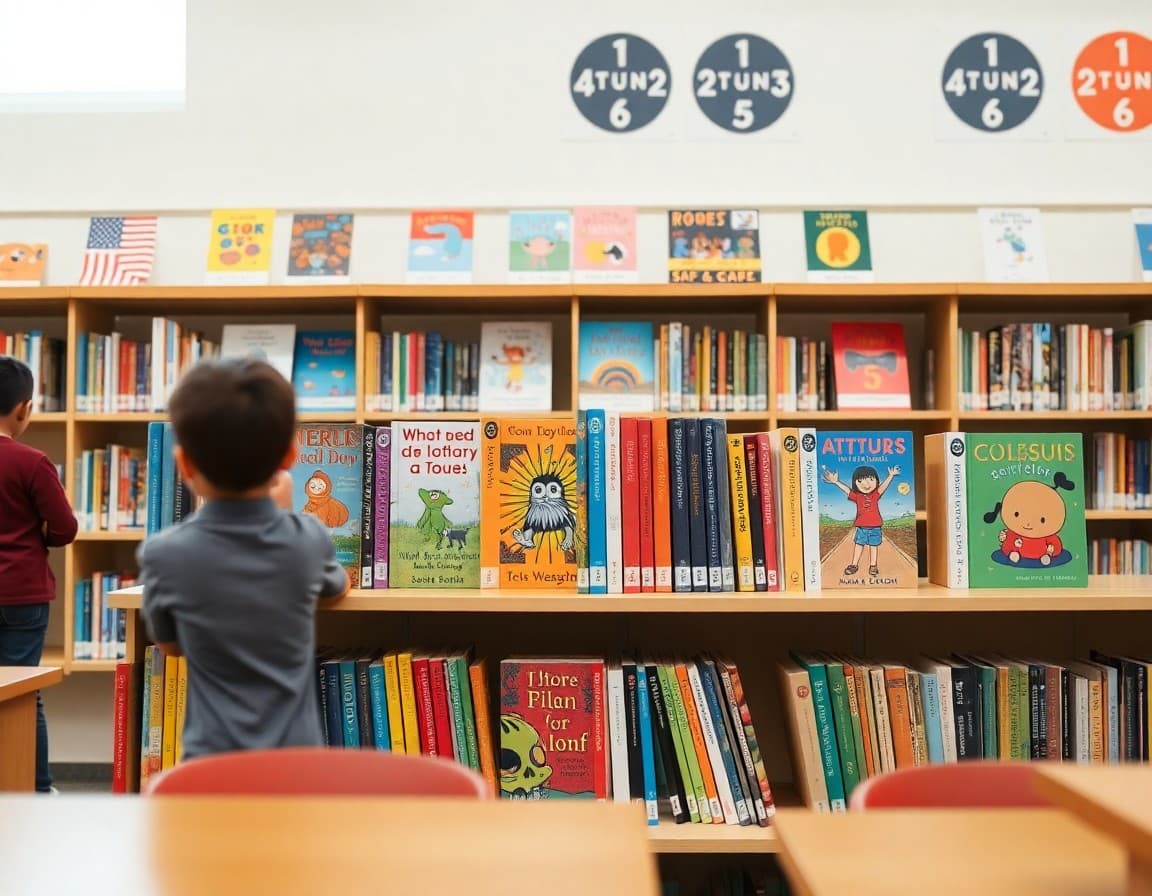
New library books are an easy win. Students love them. Teachers celebrate them. And families are genuinely interested when you tell them what their child can find on the shelves this month. The newsletter is your best tool for turning an acquisition into a school-wide moment.
Name Specific Titles
Do not write a generic announcement about adding books to the collection. Name five to ten titles. Give each one a single sentence. Something like: we added Hilo: The Boy Who Crashed to Earth for our graphic novel readers who burned through the first series and kept asking for more. Specific titles give students something to ask for by name when they walk in.
Explain the Selection Process
Families appreciate knowing that someone thought carefully about what goes on the shelves. Mention that your librarian reviewed student request data, that teachers flagged curriculum gaps, or that you surveyed students last spring. This signals intentionality and positions the library as a responsive resource, not just a collection of whatever arrived in a box.
Connect to Reading Goals
If your school is focused on building independent reading habits, say how this acquisition supports that. If you're trying to increase representation on your shelves, name a few titles by authors who reflect your student population. Connecting new books to larger goals helps families understand that library development is an instructional priority, not an afterthought.
Include Practical Information
Library hours, checkout limits, and how students request holds should all appear in the newsletter. If you have an online catalog, link to it. If your librarian does book talks in classrooms, mention the schedule. Families who know how the library works are more likely to encourage their children to use it.
Invite Family Input
End with a simple ask: what would you like to see added to our library? A one-question form or reply link takes five minutes to set up and sends a strong message that the library belongs to the whole community. You do not have to honor every suggestion, but collecting them creates goodwill and sometimes surfaces genuinely useful ideas.
Seasonal Timing
Back-to-school arrivals, winter break additions, and pre-summer acquisitions each have their own natural hook. The back-to-school newsletter builds excitement at the start of the year. The summer reading announcement drives checkouts before school ends. Match your announcement to the moment and it will land harder than a mid-February update with no surrounding context.
Using Daystage to Share the List
Daystage lets you build a visually appealing library newsletter with book covers and short descriptions alongside your principal message. You can track which families opened the email and follow up with a reminder a week before your library event or reading month kickoff. The platform keeps your communications organized without needing a separate design workflow.
One More Thing
Ask your librarian to pull checkout numbers two weeks after the announcement. If the titles you highlighted are flying off the shelves, that's data worth sharing in a follow-up newsletter. It closes the loop and teaches families that your communications lead to real school activity.
Get one newsletter idea every week.
Free. For teachers. No spam.
Frequently asked questions
What should a principal newsletter about new library books include?
Name a handful of specific titles and explain why you chose them. Connect the selection to student interests, curriculum goals, or a reading initiative. Include checkout instructions and hours. End with an invitation for families to suggest future titles.
How does announcing new library books in a newsletter increase student reading?
Students who hear about specific titles from a trusted adult at school are more likely to seek them out. A newsletter creates buzz before students arrive at school, so they come in already knowing what they want to find. It also signals that reading is valued at the leadership level, not just by the librarian.
Should principals or librarians write the library newsletter?
Collaboration works best. The librarian chooses titles and writes the descriptions. The principal adds a personal note connecting the acquisition to school goals. This combination lends both instructional credibility and leadership authority to the message.
How often should a school send a library-focused newsletter?
Once or twice per semester is enough to maintain family awareness without creating noise. Time the announcements around new arrivals, reading month events, or summer reading preparation.
What tool helps principals send newsletters efficiently?
Daystage is built for school communicators. You can embed a list of book titles with cover images, include a checkout link, and track whether families clicked through. It takes far less time than building a flyer in a design tool.

Adi Ackerman
Author
Adi Ackerman is a former classroom teacher and curriculum writer with 8 years in K-8 schools. She writes about school communication, parent engagement, and what actually works in real classrooms.
More for Principals
Ready to send your first newsletter?
3 newsletters free. No credit card. First one ready in under 5 minutes.
Get started free