

Launching a School-Wide Reading Challenge Through Your Newsletter
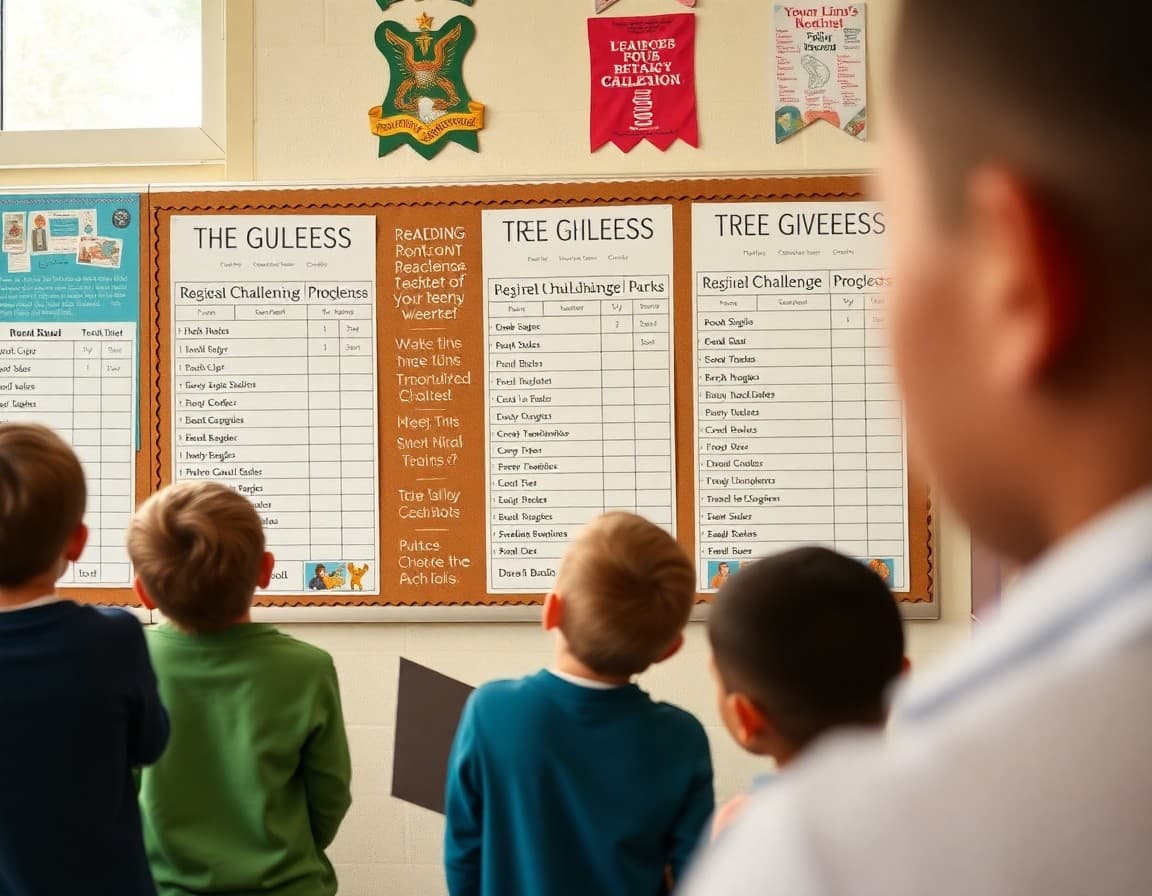
A school-wide reading challenge only works if families know it is happening, understand what their child is supposed to do, and feel like their involvement at home matters. The newsletter is the engine that drives all three. A great launch newsletter generates buzz. Weekly updates keep it alive. A final celebration closes it in a way families remember.
Launch With a Clear, Specific Goal
Ambiguity kills challenges. "We want students to read more this winter" is not a challenge -- it is a wish. "Our goal is 50,000 minutes of reading across all K-5 classrooms between January 5 and February 14" is a challenge. Name the metric, name the target, name the deadline. When the goal is specific, tracking it is possible and celebrating it is meaningful.
Explain How Students Will Track Their Reading
Every family needs to understand the mechanics. Is there a paper log that comes home? An online platform? A classroom chart? How often do logs get turned in? Who verifies them? A brief explanation in the newsletter prevents the confusion that derails participation in the first week. Keep it simple -- the more steps involved, the lower the completion rate.
Give Families a Role That Is Easy to Play
Families who feel included in a challenge sustain it longer than those who feel like spectators. Give them one concrete thing to do: "Reading aloud to your child counts toward the challenge and is especially valuable for kindergarten and first grade. Even 10 minutes at bedtime adds up." That invitation is specific, easy, and meaningful. It also produces real reading outcomes.
A Template Launch Newsletter Section
Here is an opening that works:
"On January 6, we are launching the Maple Street Reading Challenge: 40,000 minutes of reading across our entire school by March 14. Every student's reading counts -- at home, at school, and anywhere in between. Students will track minutes on a weekly log that comes home on Fridays. Reading aloud with a family member counts double. Our library is stocked with new titles at every level. We will post weekly updates in the newsletter so the whole community can watch the total climb."
Announce Incentives Without Overemphasizing Them
Incentives can motivate, but they can also undermine intrinsic motivation if they become the entire story. Mention them briefly. "Students who reach 500 minutes by February 28 will be recognized at our Reading Celebration Assembly." Then return to the point: reading matters because it builds real capacity, not because of the incentive. Lead with meaning, follow with the incentive.
Send Weekly Progress Updates
Weekly updates during the challenge are what keep families engaged. Three sentences: the current total, the percentage toward goal, and a brief note about where the excitement is. "We hit 22,000 minutes this week -- the third graders are leading the school. Two more weeks to go." Short, specific, and worth reading. These mini-updates cost very little time and pay significant dividends in family engagement and student motivation.
Celebrate the End With Energy
The closing newsletter for a reading challenge should feel like a finish line, not an administrative close-out. Name the final total. Thank the families who participated. Celebrate the grade level or classroom that contributed the most. Name a few students who logged exceptional totals (with their permission). And announce the next challenge, if there is one, while the momentum is high.
Connect to Long-Term Literacy Goals
A reading challenge is most powerful when it exists in the context of a real literacy goal. If your school has a reading proficiency target, connect the challenge to it explicitly in the launch newsletter. "Our third-grade reading proficiency goal is 80 percent at or above grade level by May. Consistent independent reading is one of the strongest predictors of that outcome. This challenge is one way we are working toward it together." Families who understand why something matters show up differently for it.
Get one newsletter idea every week.
Free. For teachers. No spam.
Frequently asked questions
What should the principal newsletter say when launching a reading challenge?
State the goal clearly, explain how students will track their reading, describe any incentives, and tell families how they can support the challenge at home. Keep it specific -- name the target (books, minutes, or pages) and the timeframe. A vague challenge generates vague participation.
What reading challenge format works best to announce in a newsletter?
Schoolwide minute-based challenges work well because every student can participate regardless of reading level. Book-count challenges work for classrooms and grade levels. The key is picking one clear format and sticking to it for the full challenge period so families know exactly what is expected.
How do I involve families in the reading challenge through the newsletter?
Give families a specific role. Reading aloud to their child counts toward the challenge. A family member asking 'what happened in your book today?' takes 30 seconds and increases reading engagement. Give families a brief script or a few question prompts they can use. That kind of practical guidance has real impact.
How do I celebrate reading challenge milestones in the newsletter?
Publish the numbers. 'We have logged 14,200 minutes of reading in week two -- we are 60 percent of the way to our goal.' That kind of update keeps families invested. A brief quote from a student about what they are reading makes the abstract number feel personal.
Does Daystage help with reading challenge updates and progress newsletters?
Yes. Daystage is great for recurring updates -- you can send a quick progress newsletter each week of the challenge with the latest totals, student highlights, and a reminder of the end goal. Families who get regular updates stay engaged longer than those who hear nothing until the final celebration.

Adi Ackerman
Author
Adi Ackerman is a former classroom teacher and curriculum writer with 8 years in K-8 schools. She writes about school communication, parent engagement, and what actually works in real classrooms.
More for Principals
Ready to send your first newsletter?
3 newsletters free. No credit card. First one ready in under 5 minutes.
Get started free