
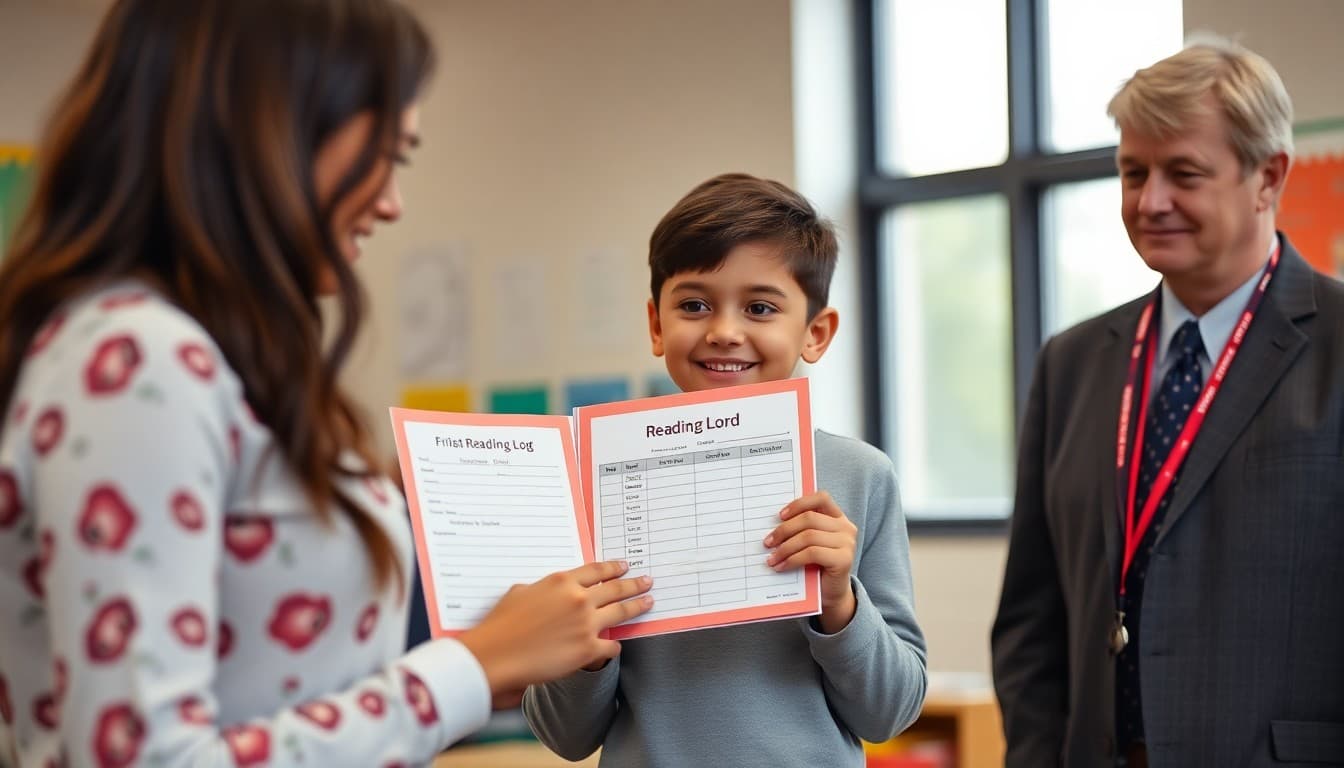
Principal Newsletter: Announcing Reading Log Program Winners
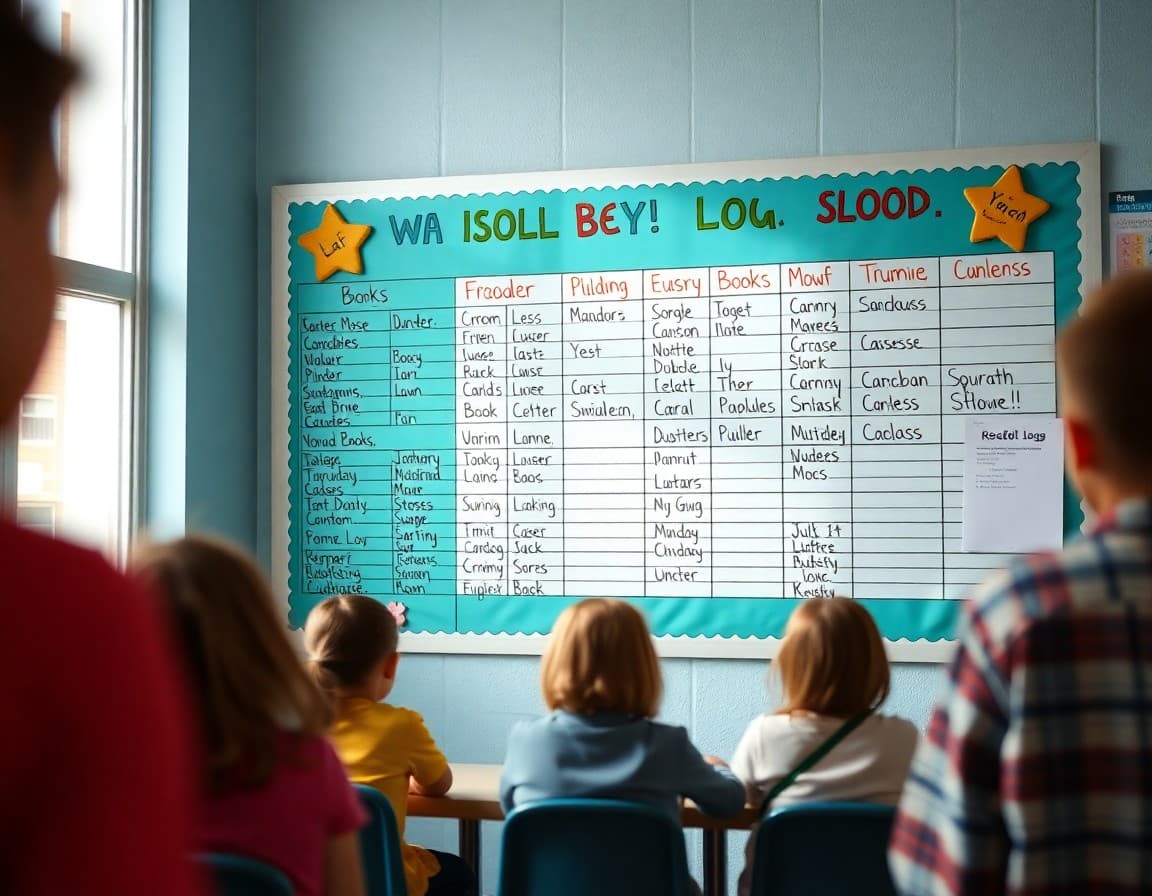
Reading log recognition newsletters have one job: make students feel like the reading they did mattered. If the newsletter reads like a bureaucratic summary of completed paperwork, it misses the entire point. Make it feel like a celebration.
Naming What Students Accomplished
Open with the accomplishment, not the logistics. Something like: this semester, students in our school logged over 18,000 pages of independent reading. That is not a small thing. Name the total. Name the top classrooms by grade level. Name the students who hit specific milestones, with their names and what they read if they have given permission. The specificity of names and books is what makes the recognition real versus generic.
Recognizing More Than Volume
Reading 800 pages is worth celebrating. So is a student who read their first chapter book. So is the classroom that had 100 percent participation. So is the student who tried their first novel in a genre they never liked before. Your newsletter can name multiple types of accomplishment without reducing everything to a single ranked list. The message that every student who pushed is a winner is both more accurate and more motivating than a single leaderboard.
Thanking Families
Reading logs are completed at home. Families helped. A sentence or two acknowledging that families listened to reading aloud, made library trips, set aside reading time, and signed off on logs every week is appropriate and appreciated. Families who feel recognized for their role are more likely to continue it next semester.
Connecting to Reading Development
Name the connection between home reading and academic outcomes briefly. Students who read regularly outside of school build vocabulary, background knowledge, and reading stamina in ways that classroom instruction alone cannot produce. Families who understand this are more likely to continue prioritizing reading time at home when the structured program ends.
Launching the Next Challenge
If there is a summer reading program or a next semester challenge, introduce it at the end of this newsletter. Momentum is highest immediately after a successful challenge. Families and students who just completed a reading log are the most receptive audience for a new one. Give them the dates, the goal, and how to sign up before the energy from this one fades.
Using Daystage for Reading Recognition
Daystage makes it easy to build a visually engaging reading celebration newsletter with student names, book lists, and a launch announcement for the next program. You can include a family reading resource section with links to library catalogs, summer reading lists, and read-aloud recommendations. Tracking family engagement with the newsletter tells you how many families are actively following the school's reading programming.
Get one newsletter idea every week.
Free. For teachers. No spam.
Frequently asked questions
What should a principal newsletter announcing reading log winners include?
Name the winners by classroom or grade level, describe what they accomplished, explain how winners were selected, acknowledge family and teacher support, and launch the next reading challenge if one is planned.
How do you prevent a reading log program from feeling exclusionary to reluctant readers?
Frame the recognition around participation and progress, not just top totals. Celebrate students who reached their personal goal even if their total was lower than the class leader. Include a category for most improved or biggest growth. The newsletter can explicitly name the school's belief that every reader who pushed themselves deserves recognition.
What is the right balance between competition and celebration in a reading log newsletter?
Name the top readers but spend equal space on the quality of what was read, the variety of genres represented, or the classroom with the highest participation rate. A reading program that only celebrates volume sends a message that speed matters more than depth. Balance the message.
How does the reading log newsletter connect to summer reading?
If you are launching a summer reading program at the same time, connect them explicitly. Students who completed the school-year reading log are primed for a summer challenge. Include the summer reading list, how to access books, and what recognition students will receive when school resumes.
What tool helps principals send newsletters efficiently?
Daystage lets you build a reading recognition newsletter with student names, book lists, and a launch announcement for the next challenge. You can include a family reading resource section and track family engagement with the communication.

Adi Ackerman
Author
Adi Ackerman is a former classroom teacher and curriculum writer with 8 years in K-8 schools. She writes about school communication, parent engagement, and what actually works in real classrooms.
More for Principals
Ready to send your first newsletter?
3 newsletters free. No credit card. First one ready in under 5 minutes.
Get started free