

First Week of School Recap: A Principal Newsletter Template
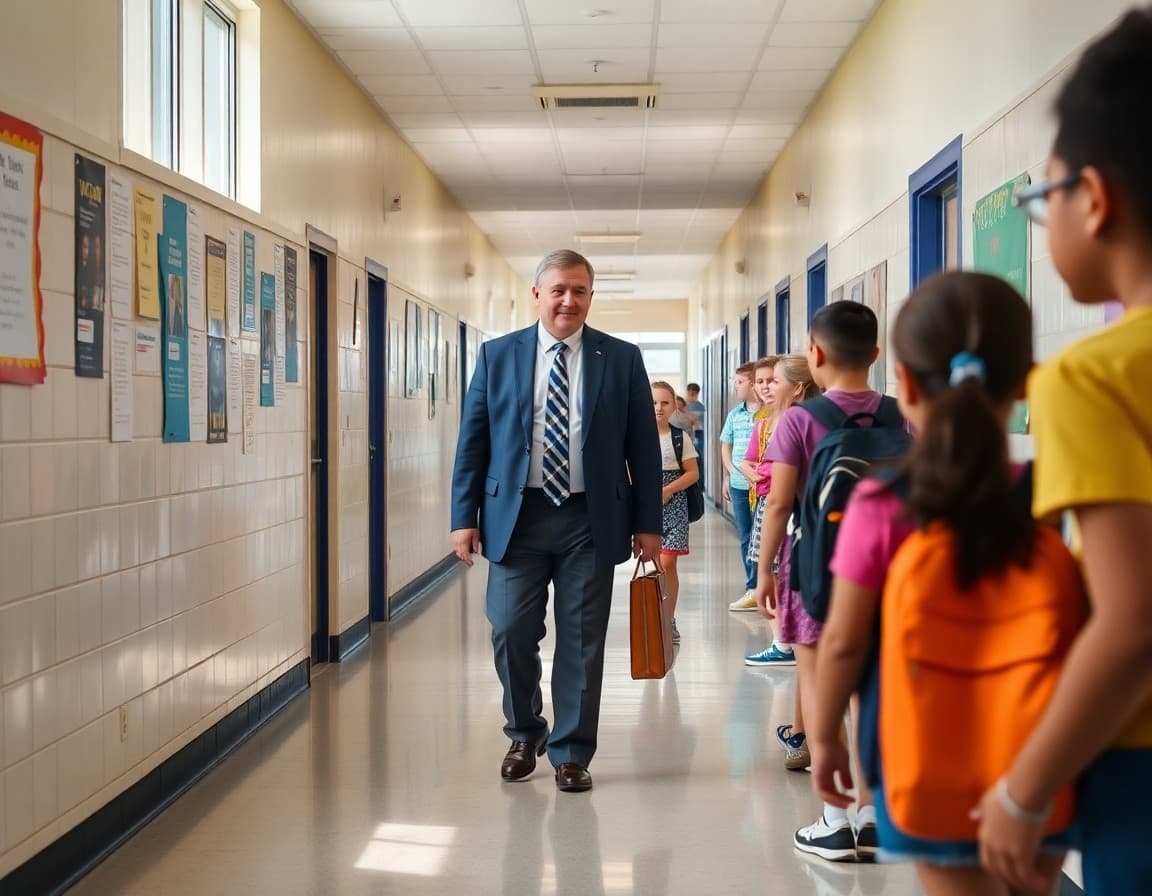
The first-week recap is one of the most important newsletters of the year and one of the least used. Most principals send a welcome letter before school and then go quiet until the next issue. The first-week recap fills a gap that families notice: they sent their child off on Monday and have been wondering ever since what the week was actually like. Tell them.
Capture the Energy of the Week
Lead with how the week felt, not how it was scheduled. "The first week is always a mix of excitement and adjustment, and this one was no different. Students found their classrooms, teachers spent two days on norms and expectations, and by Friday the building felt like itself again." That kind of opening tells families something true and sets a tone of honest engagement for the whole year.
Name One Specific Moment
The most memorable first-week recaps contain one specific moment that captures the week better than any summary could. Spend 30 seconds thinking about what you saw in the hallways, at lunch, or during a classroom visit. "A second grader walked up to me on Thursday and asked if I remembered her name from last year. I did." Or: "Every teacher I walked past on Wednesday was in the middle of an activity, not a lecture. That matters." One real observation, done.
Address Any Operational Hiccups Directly
If something went sideways -- a long lunch line, a crowded dismissal, a bus that ran 20 minutes late -- acknowledge it and describe the fix. "Our dismissal line ran slow on Monday and Tuesday as students and families adjusted to the new pickup flow. By Thursday, it was moving smoothly. Thank you for your patience in those first days." That kind of acknowledgment takes three sentences and builds more trust than a week of perfect communication.
A Template First-Week Recap Newsletter
Here is a structure you can use:
"Week one is done. 623 students came back -- or came for the first time -- and the building felt the way it always does in September: loud in the right ways, busy with the right things. Teachers spent the week building relationships and establishing routines, which is exactly how the year should start. A few things to note: our lunch line has been longer than expected. We are adding a second serving station starting Monday. Dismissal on the other hand went smoothly all week -- a better result than last year. Next week: academic instruction begins in earnest, and our first newsletter goes home from teachers. More to come."
Preview the Second Week
The first-week recap is a natural moment to tell families what is coming next. "Academic instruction begins Monday across all grades. The first homework of the year will come home next Thursday with fourth and fifth graders." Families who know what is coming feel prepared. Knowing when homework starts is a small but real form of support.
Thank Families for Their Role in the First Week
Families who send their child to school on time, prepared, with supplies and a good breakfast -- those families make the first week easier. Acknowledge them. "Thank you for getting everyone here on time and ready. It showed." That sentence is brief and genuine. Families feel seen when the effort they put in at 7:00 AM is noticed at the other end.
Connect to the Year Ahead
The first-week recap is also a promise. End with something that looks forward -- a goal you are working toward, a program launching in the first month, or simply the intention you bring into the rest of the year. "This year, I want every family to feel as connected to what is happening inside this building as the families who walk in every day. This newsletter is one part of that. More is coming." That sentence turns the recap into a commitment.
Send It Over the Weekend
Friday afternoon or Saturday morning is the right window for a first-week recap. Families have the mental space to read it, they are still processing the week with their children, and it arrives while the conversations are still happening. A Monday morning send misses that window entirely. Daystage makes it easy to draft on Friday and schedule for Saturday morning delivery.
Get one newsletter idea every week.
Free. For teachers. No spam.
Frequently asked questions
What should a principal newsletter cover after the first week of school?
Capture the energy of the first week, note what went well, address any hiccups honestly, preview what is coming, and say something personal about being back in the building. This newsletter sets the tone for the entire year. It should sound like you -- not a template.
How long should the first-week recap newsletter be?
Short to medium length. Families are adjusting to new routines themselves and do not need a long read. Three to five sections of two to four sentences each is about right. Enough to feel substantive. Short enough to actually be read.
Should the first-week recap address any problems that came up?
Yes, briefly and constructively. If drop-off was chaotic, say so and describe what you are changing. If a bus was late, acknowledge it and name the fix. Families who see problems acknowledged and addressed trust the principal more than families who receive only positive news.
What makes a first-week recap newsletter memorable?
A specific moment. Something you saw or heard that captures what the week felt like. 'A kindergartener walked in on Tuesday morning, set his backpack down, and said to his teacher: so what are we learning today? That is the right attitude.' That kind of observation makes the newsletter feel human and real.
Can Daystage help me send the first-week recap quickly while the energy is fresh?
Yes. Daystage is designed for fast, formatted sends. You can add a photo from the first week, write a quick five-section recap, and send to all families in under 20 minutes. The first-week recap is most powerful when it arrives on Friday afternoon or over the weekend -- while the memory is fresh.

Adi Ackerman
Author
Adi Ackerman is a former classroom teacher and curriculum writer with 8 years in K-8 schools. She writes about school communication, parent engagement, and what actually works in real classrooms.
More for Principals
Ready to send your first newsletter?
3 newsletters free. No credit card. First one ready in under 5 minutes.
Get started free