
Preschool Virtual Learning Newsletter: Supporting Families During Remote or Hybrid Preschool
When preschool goes virtual, the families who manage it best are the ones who receive clear expectations, specific support, and regular communication from teachers who understand that preschool on a screen is genuinely difficult and that doing it reasonably well is an accomplishment, not a failure to replicate in-person learning. A newsletter that sets honest expectations and gives families practical tools is more valuable than any amount of enthusiastic encouragement to "make the best of it."
Why Virtual Learning Is Harder for Preschoolers Than Older Children
Preschool-age children learn primarily through physical interaction with materials, people, and their environment. Screen-based instruction strips out the multi-sensory, social, and embodied dimensions of learning that preschoolers need most. A three-year-old cannot hold a conversation with a teacher through a screen the way a ten-year-old can. Their regulatory systems require co-regulation with physically present caregivers. Their attention span for screen content is genuinely brief.
Your newsletter should acknowledge this honestly. Families who understand that virtual preschool is not equivalent to in-person preschool can manage their own expectations and feel better about sessions that do not go perfectly. Families who believe a two-year-old should be able to sit through a forty-minute Zoom circle are going to feel like failures when they cannot make it happen.
What Virtual Sessions Will Look Like
Describe the format of virtual sessions clearly: how long they will run, what activities they will include, what materials families should have on hand, and what the teacher will do to keep young children engaged. For most preschool-age children, 15 to 20 minutes is a reasonable maximum for live virtual instruction. Longer sessions require adult co-participation and frequent changes of activity.
Let families know what role you expect them to play during sessions: seated alongside the child, available to help with materials, ready to redirect if the child wanders. Most preschoolers cannot independently manage a virtual session at all. Families who know they are expected to be co-participants rather than observers of an independent learning activity will be better prepared.
Asynchronous Learning: What Families Can Do Between Sessions
The most valuable virtual preschool support is often the asynchronous content: short teacher videos demonstrating an activity, a recorded story with a discussion question, a simple project with materials from the home. Describe what you will provide asynchronously and how families can use it.
Also list specific offline activities that complement whatever the class is working on: a sensory bin related to the current theme, outdoor science observations, a dramatic play suggestion, a picture book recommendation. These activities are better for the child than extended virtual instruction and require only a brief newsletter description to make accessible to families.
Supporting Family Wellbeing During Virtual Periods
Virtual learning for preschoolers is hard on families. It requires the primary caregiver to be available and engaged during school hours, which many families simply cannot do. It creates conflict and frustration when children are dysregulated and not where they want to be. It deprives families of the break that school provides.
Acknowledge this in your newsletter without being dismissive. "We know that keeping your preschooler engaged at home during a learning session is not easy, and we appreciate everything you are doing." That acknowledgment matters. Then give one specific, realistic suggestion for the hardest moment in the virtual day, whatever that is for most preschool families.
Returning to In-Person: Preparing the Transition
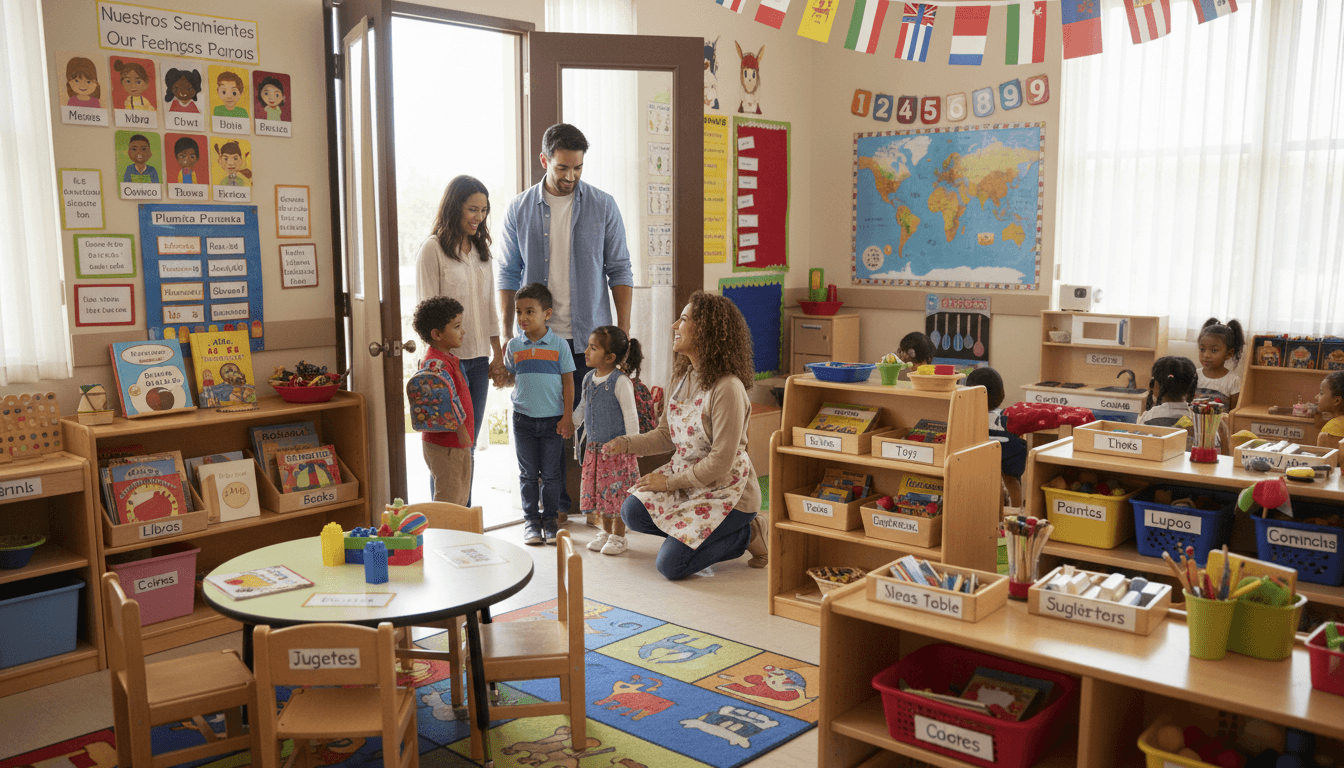
When in-person instruction resumes after a virtual period, the return transition can be challenging for preschoolers who have regressed on school routines. Your newsletter should prepare families for this before it happens: the first week back is likely to involve some tearfulness, clinginess, and behavioral adjustment. This is normal and temporary. Consistent morning routines, calm drop-offs, and keeping after-school expectations low for the first few days help the transition land better. Daystage makes it easy to stay connected with families during virtual and hybrid periods, sending regular updates that help everyone feel less isolated and more supported through a genuinely difficult stretch.
Get one newsletter idea every week.
Free. For teachers. No spam.
Frequently asked questions
What are realistic expectations for preschool virtual learning?
Virtual learning is significantly less developmentally appropriate for preschoolers than in-person instruction and should be treated as a supplement or emergency measure rather than an equivalent replacement. Realistic expectations for virtual sessions: 15-20 minutes of screen time per session maximum, high likelihood of distraction and disengagement, adult presence required for most three-year-olds. This does not mean virtual learning has no value. It means families should not expect it to replicate classroom learning.
How can families make virtual preschool sessions more successful at home?
Prepare the space (quiet, same location each time, materials ready), prepare the child (tell them what will happen, who they will see), sit nearby and participate rather than leaving the child alone with the device, have materials ready that match the session plan, and keep sessions short. Consistency and preparation make a larger difference for virtual preschool than any technical setup.
What home learning activities work when a preschooler cannot attend virtually?
Reading picture books together, sensory play, art projects, outdoor time, dramatic play, block building, and cooking activities all provide rich developmental experiences that do not require a screen and are more appropriate for preschool-age children than extended virtual instruction.
How should teachers communicate expectations with families during a virtual or hybrid period?
Set clear, realistic expectations in writing at the start of any virtual period. Explain what sessions will look like, what is expected from families, what will be provided asynchronously, and what is simply not going to be possible to replicate virtually at this age. Managing expectations prevents frustration and builds trust.
Can Daystage support family communication during virtual or hybrid preschool?
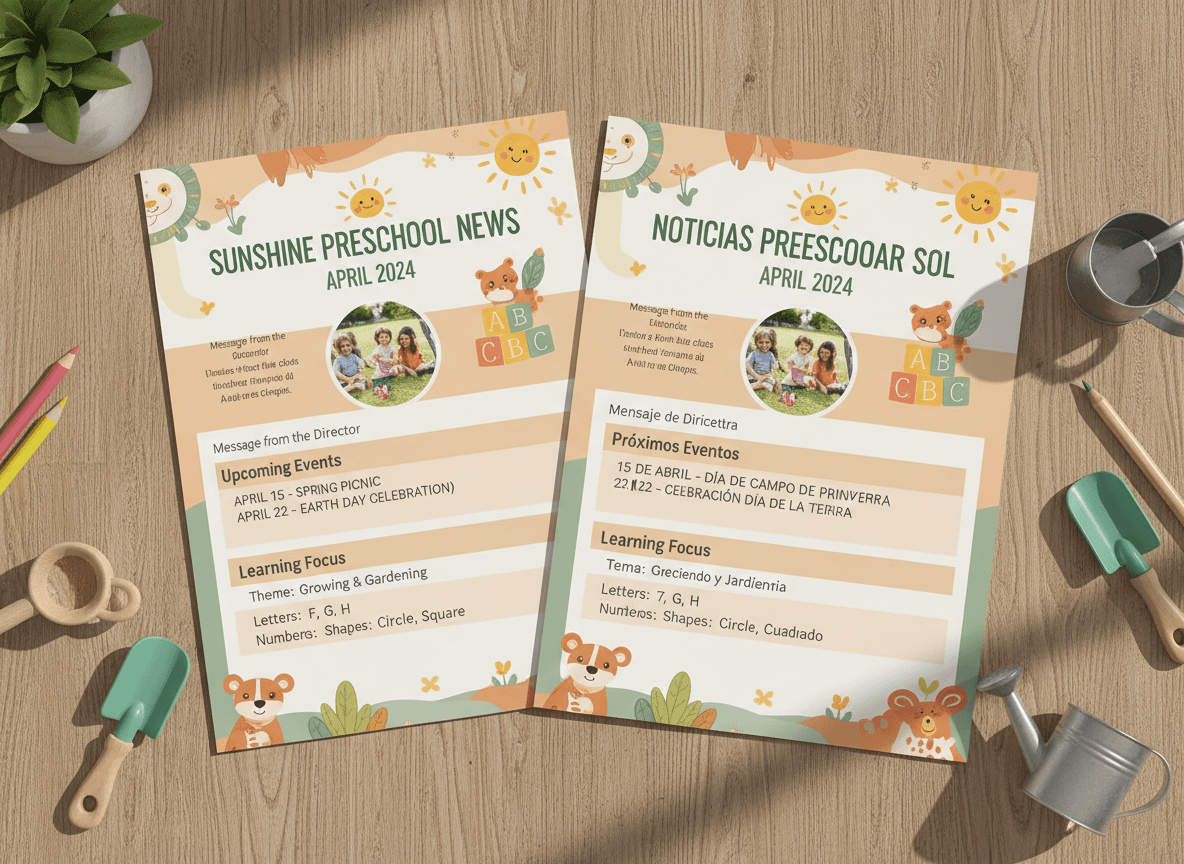
Daystage lets teachers send regular newsletters during virtual learning periods that include session schedules, home activity suggestions, and updates that help families stay connected to classroom learning even when school is remote.

Adi Ackerman
Author
Adi Ackerman is a former classroom teacher and curriculum writer with 8 years in K-8 schools. She writes about school communication, parent engagement, and what actually works in real classrooms.
More for Pre-K
Ready to send your first newsletter?
3 newsletters free. No credit card. First one ready in under 5 minutes.
Get started free