
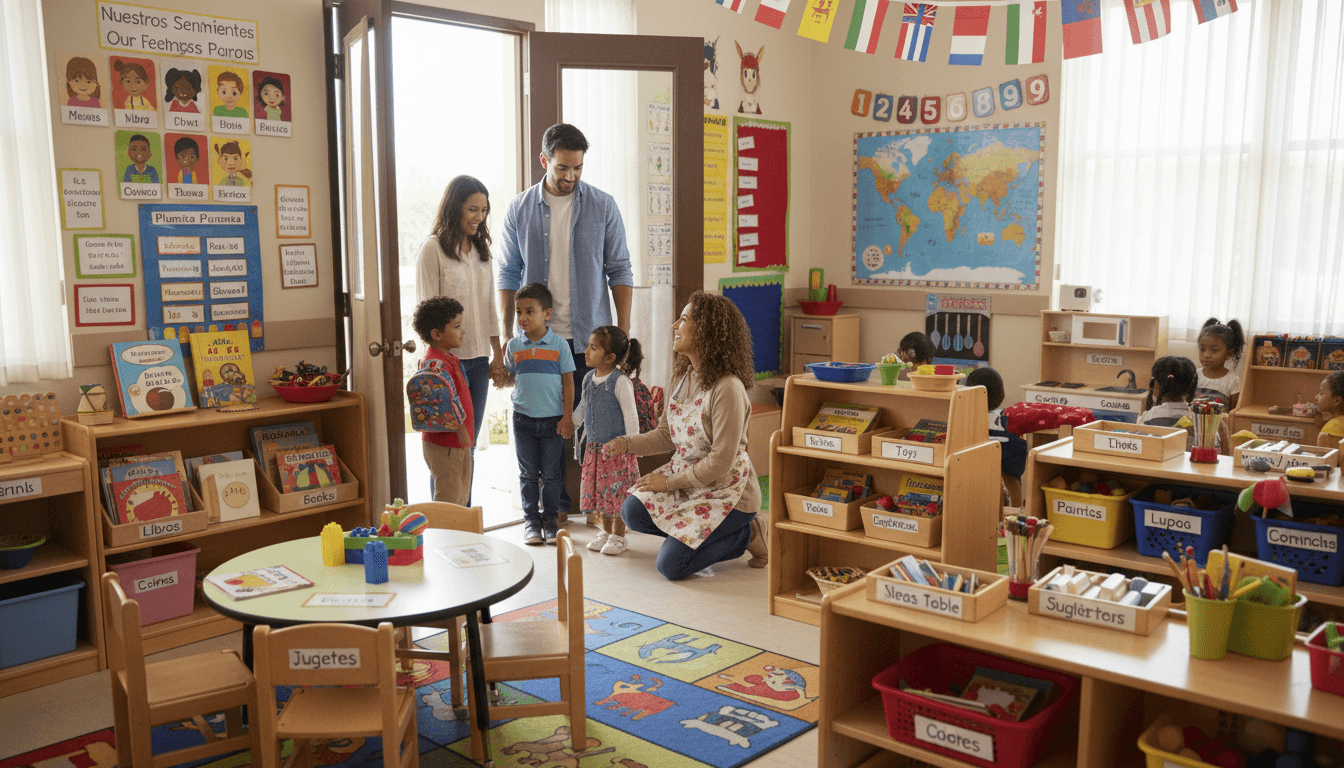
Preschool Literacy Newsletter: What to Tell Families About Early Reading
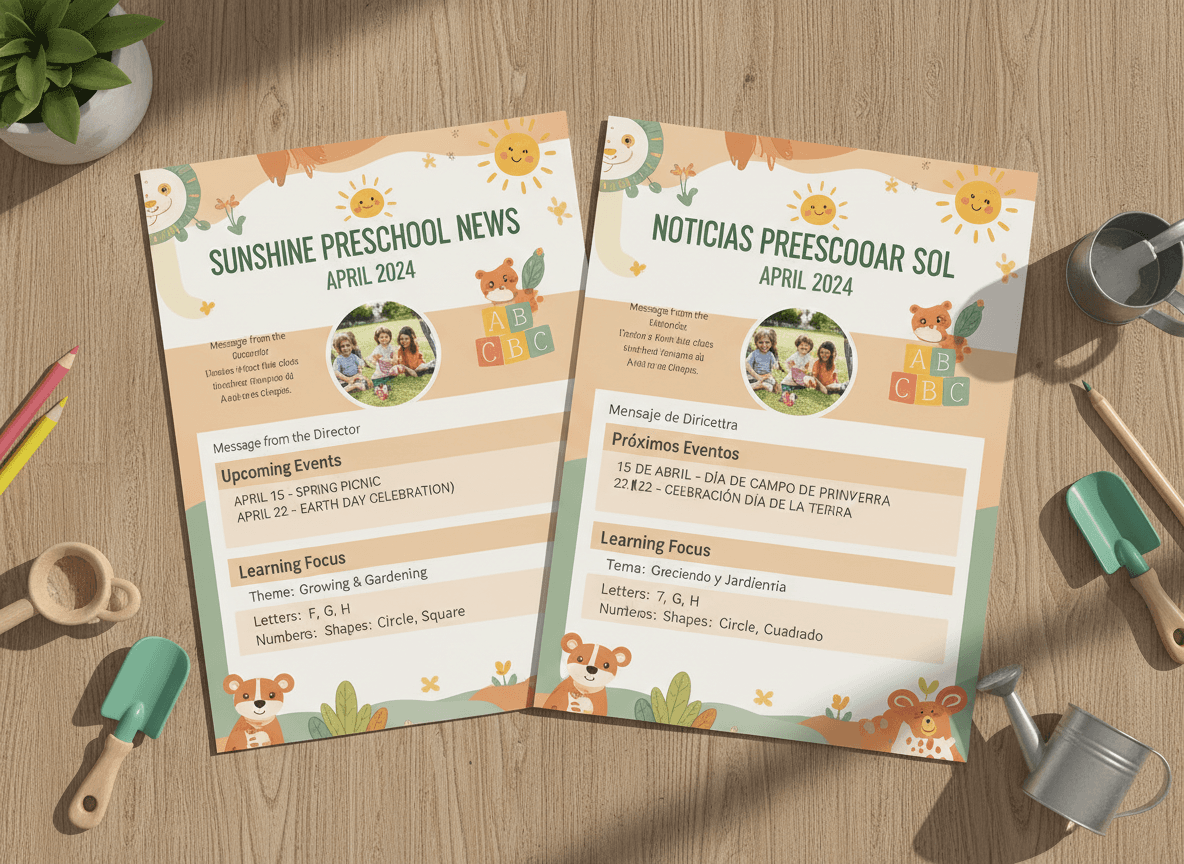
Reading does not begin when a child opens a first-grade reading primer. It begins in preschool, in conversations at the dinner table, in lap-reading with a parent, in learning to notice that words go from left to right and that letters make sounds that combine into meaning. Families who understand this become active partners in literacy development. Families who do not often wait for kindergarten to start "real" reading instruction, missing the most important window.
A literacy newsletter is one of the most valuable things a preschool teacher can send, because it gives families the information and tools to make a genuine difference at home.
What Early Literacy Includes (and What It Does Not)
Early literacy is not about teaching children to read in preschool. It is about building the foundation that reading instruction can work on later. That foundation includes several distinct but related skills:
- Phonological awareness: The ability to hear and play with the sounds in words. This includes rhyming, hearing syllables, and noticing beginning sounds.
- Print concepts: Understanding that text carries meaning, that it goes left to right, that spaces separate words, and that letters are different from numbers.
- Vocabulary: The larger a child's vocabulary entering kindergarten, the faster they become fluent readers, because comprehension requires understanding what decoded words mean.
- Letter knowledge: Recognizing and naming letters, with an emphasis on the letters in the child's own name and highly visible letters in the environment.
- Love of books: Wanting to be read to, picking up books independently, and enjoying stories. This motivational factor is underestimated and critically important.
What You Are Doing in the Classroom
Your literacy newsletter should describe specific activities from your classroom and connect them to the skills above. Examples:
- "This week we read five rhyming books and played a game where children had to find something in the room that rhymes with 'cat.' This builds phonological awareness."
- "Children have been writing their names on their artwork every day. Even imperfect letter formation counts and builds the letter knowledge and hand control they will need for writing in kindergarten."
- "We added a word wall this week with words from our current unit. Children are beginning to point to words they recognize outside the classroom."
What Families Can Do at Home
This is the section families are most interested in, and it is worth being specific rather than just saying "read together." Include activities that take under five minutes and fit into existing routines:
- Read aloud for ten to fifteen minutes daily. Ask one specific question about what you read together: "Why do you think she did that?" or "What would you do if you were that character?"
- Play the rhyming game in the car: "I'm thinking of a word that rhymes with 'moon.'"
- Point out letters in the environment when you see them: street signs, cereal boxes, store names.
- Let children see you read. Children who grow up in homes where adults read develop a relationship to books that is genuinely different from children who do not.
Managing Pressure to Teach Reading Early
Some families will ask why their child is not learning to read in preschool, especially if an older sibling or neighbor child started earlier. Your newsletter should be honest: formal reading instruction before children have the phonological and print awareness foundation tends to be frustrating and not more effective than instruction that waits until the foundation is solid. You are building the foundation. Kindergarten will build on it.
Daystage helps you send these kinds of substantive literacy newsletters in a format that is easy to read and share, without requiring families to click through to a separate page or download a file.
Get one newsletter idea every week.
Free. For teachers. No spam.
Frequently asked questions
What early literacy skills should a preschool newsletter address?
Focus on skills families can see and reinforce at home: letter recognition, phonological awareness (the ability to hear and play with sounds), vocabulary development, print concepts like reading left to right, and a love of books. These are the foundational skills that predict reading success better than most other early indicators.
How do you explain phonological awareness to preschool parents?
Describe it through the activities children do rather than the term itself. Phonological awareness is the ability to hear and play with the sounds in language: rhyming, clapping syllables, noticing that 'bat' and 'ball' start the same way. When families understand what these playful activities are building, they are much more likely to do them at home.
Should preschool children know all their letters before kindergarten?
Letter recognition by the end of pre-K is a goal for most programs, but the depth and pace of that learning varies significantly. More important than knowing all twenty-six letters is having a genuine connection to print, an interest in books and words, and the phonological foundation to start decoding when formal reading instruction begins in kindergarten.
How can preschool families support literacy at home?
Read aloud daily. Talk about the pictures and the story, not just the words. Play rhyming games and word games in the car. Point out letters in the environment. Ask children to tell you stories. These activities are more powerful than flashcards or apps and happen in the context of real language.
How can Daystage help teachers send literacy newsletters to preschool families?
Daystage lets teachers build a literacy-focused newsletter with activity suggestions and classroom updates that goes directly to family inboxes without requiring parents to navigate a school portal.

Adi Ackerman
Author
Adi Ackerman is a former classroom teacher and curriculum writer with 8 years in K-8 schools. She writes about school communication, parent engagement, and what actually works in real classrooms.
More for Pre-K
Infant and Toddler Room Newsletter Ideas: Communicating with Parents of the Youngest Children
Pre-K · 7 min read
Preschool Bilingual Family Newsletter: Supporting Language Development at Home and School
Pre-K · 5 min read
Preschool Inclusive Classroom Newsletter: Building a Community Where All Children Belong
Pre-K · 5 min read
Ready to send your first newsletter?
3 newsletters free. No credit card. First one ready in under 5 minutes.
Get started free