
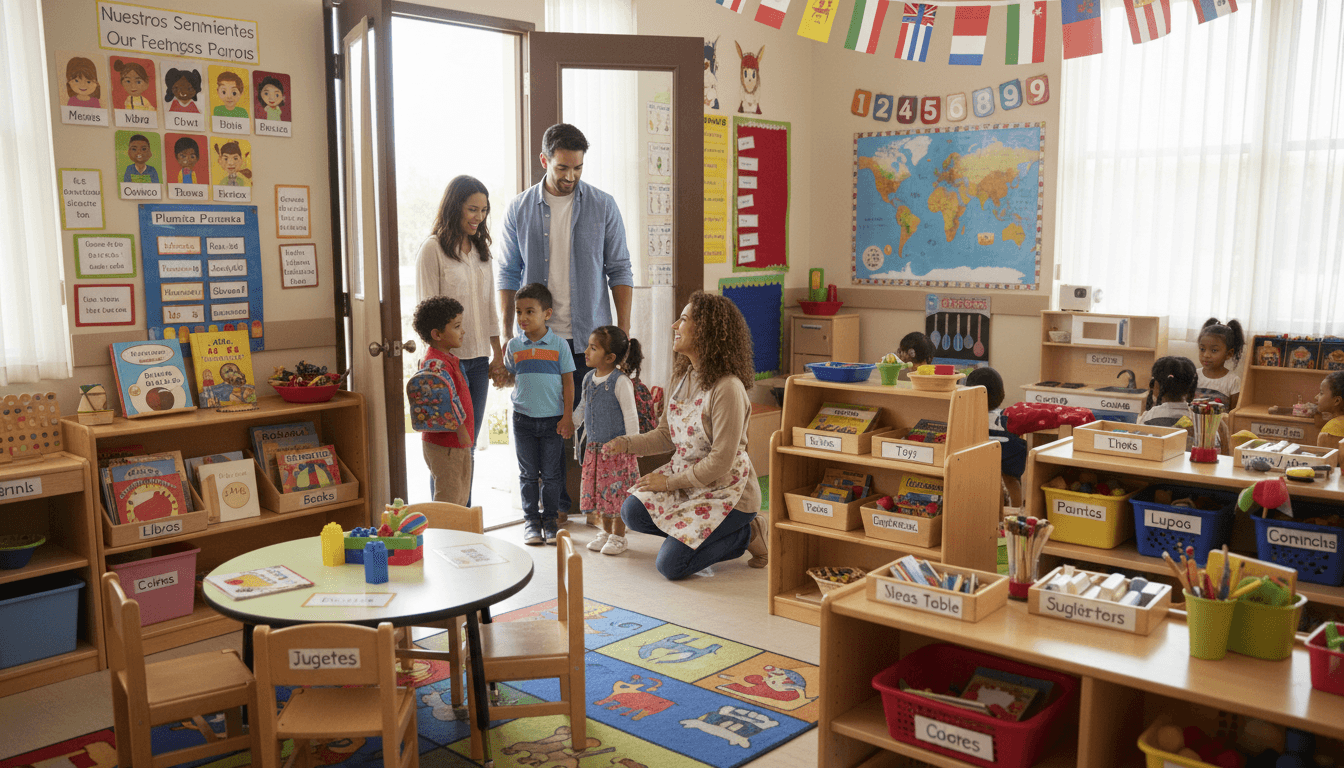
Preschool Inclusive Classroom Newsletter: Building a Community Where All Children Belong
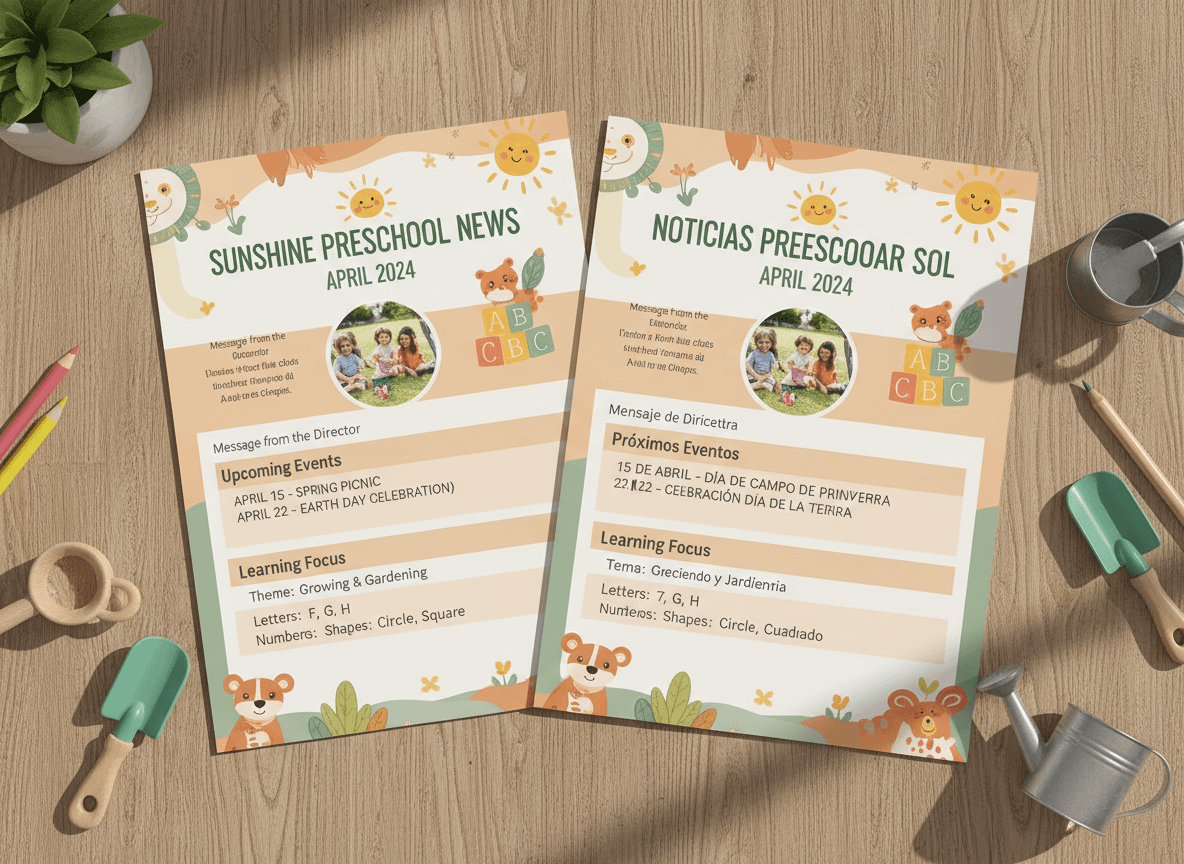
An inclusive preschool classroom serves every child in it, not only those with disabilities. The communication challenge is helping families who may not have thought deeply about inclusion understand why it benefits everyone, how it is managed in practice, and how they can support the values of belonging and acceptance at home. A newsletter that handles this topic with honesty, warmth, and specificity builds community rather than anxiety.
What Inclusion Means in a Preschool Classroom
Inclusion in early childhood education means that children with and without disabilities or developmental differences learn together in the same classroom, with the individualized supports needed for every child to participate meaningfully. It is not about treating every child identically. It is about ensuring every child has access to the same community of learners.
Your newsletter should describe what this looks like in your specific classroom. How are different learning needs supported? What specialists or support staff are part of the classroom team? How are activities designed so that children with different abilities can all participate? When families can picture the actual classroom rather than an abstract policy statement, they understand and support it more readily.
Benefits for All Children in an Inclusive Setting
Research consistently shows that typically developing children in inclusive preschool settings benefit from the experience in measurable ways. They develop more flexible thinking about problem-solving when they observe and interact with peers who approach tasks differently. They build genuine empathy through real relationships. They develop a wider tolerance for individual difference that serves them throughout their lives.
Name these benefits specifically in your newsletter. Not as reassurance that families are not sacrificing anything by being in an inclusive classroom, but as a genuine description of what their child gains. The child who has learned to be patient with a classmate who communicates differently is developing an emotional intelligence that no worksheet can teach.
How to Talk With Your Child About Differences
Preschoolers notice differences. When they notice a classmate who communicates differently, moves differently, or needs different supports, they will ask questions. Your newsletter should give families specific language for these conversations rather than leaving them to improvise.
Suggest this approach: answer the question honestly and simply, without embarrassment or hush. "Some people's brains work differently from yours, and that is totally okay. Everyone in your class is learning and everyone belongs." Avoid saying "do not stare" without explanation, which only teaches shame around noticing differences. Teach curiosity that is kind, not curiosity that disappears.
Privacy and What Families Can Know About Classmates
Address privacy proactively. Families sometimes ask teachers about specific classmates' disabilities or needs. Your newsletter should acknowledge this before families ask: the school does not share information about any child's specific needs or services with other families. What teachers will share is how the classroom supports all children and what families can do to support inclusion values at home.
This boundary is not evasion. It is the same confidentiality that every family benefits from for their own child. Framing it this way helps families understand and respect it rather than feeling stonewalled.
Building the Value of Belonging at Home
Inclusion is a school value that families can extend at home through the stories they read, the language they use about differences, and the way they respond when their child reports that a classmate needed extra help or did something unexpected. A family that responds to those reports with natural acceptance rather than alarm or curiosity about what is "wrong" with the classmate builds an inclusive mindset in their child that the classroom alone cannot develop.
Daystage makes it easy to send thoughtful, community-building newsletters about your inclusive classroom that help families understand and embrace the values that make your program worth being part of. When families see inclusion as a feature, not a complication, the community the newsletter builds reflects the community the classroom is already creating.
Get one newsletter idea every week.
Free. For teachers. No spam.
Frequently asked questions
What is an inclusive preschool classroom and how should a newsletter explain it?
An inclusive classroom enrolls children with and without disabilities or developmental differences together, with the supports and modifications needed for full participation. Explain to families that inclusion benefits all children: it builds empathy, teaches diverse problem-solving approaches, and prepares children for the diverse communities they will live and work in as adults.
How should teachers respond to families who have concerns about an inclusive classroom?
Acknowledge the concern without dismissing it. Explain what supports are in place for all children. Share research on the outcomes for typically developing children in inclusive settings (consistently positive). Invite an observation visit. Families who have concerns usually need information and reassurance, not a lecture on inclusion philosophy.
How should families talk with their preschooler about differences they observe in the classroom?
Use honest, simple language: 'Some people need different kinds of help to do things. That is okay, and our classroom helps everyone.' Avoid hushing children who notice differences. Curiosity about differences is healthy. Shame around noticing them is not. The goal is matter-of-fact acceptance, not pretending differences do not exist.
What privacy considerations apply when communicating about inclusion in a preschool newsletter?
Never identify a specific child's disability or needs in a class-wide newsletter. Describe inclusive practices generally. If a family has specific questions about a classmate, the answer is always the same: the school does not share information about other children's needs. Redirect to what the school does to support all children.
Can Daystage help preschool programs communicate about inclusive classrooms to families?
Daystage lets teachers send newsletters that explain inclusive practices, provide talking-point guidance for families, and build community around the values of belonging and belonging for all children.

Adi Ackerman
Author
Adi Ackerman is a former classroom teacher and curriculum writer with 8 years in K-8 schools. She writes about school communication, parent engagement, and what actually works in real classrooms.
More for Pre-K
Ready to send your first newsletter?
3 newsletters free. No credit card. First one ready in under 5 minutes.
Get started free