
Preschool Field Trip Communication Newsletter: What Families Need Before the Day
Preschool field trips require more advance communication than trips at any other grade level, because the logistics are more complex (young children need higher supervision ratios, more preparation, and more contingency planning) and because preschool parents tend to be more anxious about their child being away from school property.
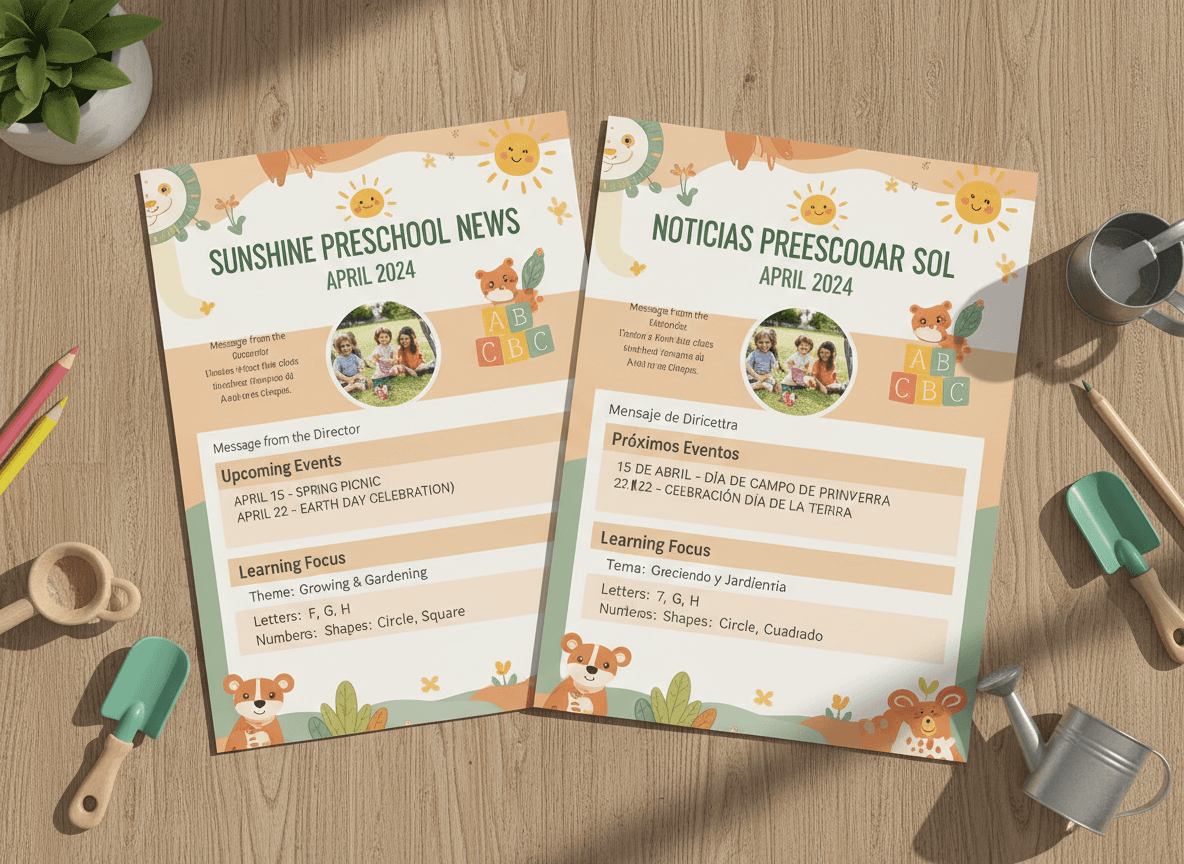
A thorough field trip newsletter, sent two to three weeks before the trip, answers every question families have before they need to ask it and generates the volunteer sign-ups you need without following up individually.
The Basics: Every Logistics Detail in One Place
Include every practical detail families need to prepare:
- Destination with a brief description of what it is
- Date and departure and return times
- Cost and how to pay
- What children should wear (school t-shirt, comfortable shoes, weather-appropriate clothing)
- What to bring: lunch or snack, water bottle, any specific items for the activity
- What not to bring: extra toys, money, anything that could be lost or broken
- Permission slip deadline and how to return it
The Learning Connection
A field trip newsletter that explains why you are going to this specific place at this specific point in the year tells families that the trip is purposeful. It also gives them a frame for talking with their child about the experience before and after.
One paragraph is enough: "We are visiting the children's museum because our class has been exploring how things work. Children will have the opportunity to try the simple machines exhibit, experiment with water and sand, and build structures. This connects directly to the engineering activities we have been doing in our block area this month."
Supervision and Safety
Tell families the chaperone ratio, who the supervising adults will be (teachers plus parent volunteers), and what the protocol is if something unexpected happens. Families of preschoolers are often nervous about being away from school property. Specific safety information is more reassuring than generic "your child will be safe with us."
Also address any allergy considerations specific to the destination: is there food at the venue, are there allergens in the environment, and what precautions will be in place.
Volunteer Chaperones: A Specific Ask
Do not ask for chaperones without specifying exactly what you need: the number of adults, what each one will do (supervise a group of four to five children), the departure and return time, and what to expect (it will involve a lot of walking and redirecting). Give a sign-up deadline and a clear mechanism to respond.
Families who know exactly what they are agreeing to sign up in higher numbers than families facing an open-ended volunteer ask. Daystage lets you include all of this information in a structured email that families can reference in the days leading up to the trip without having to search through their email history.
Get one newsletter idea every week.
Free. For teachers. No spam.
Frequently asked questions
What should a preschool field trip newsletter include?
Cover the destination, date and time, cost if any, what children need to bring, how supervision is organized, volunteer chaperone opportunities, the permission slip process, and what children will be learning. Field trip communication that covers all of these reduces the number of individual questions teachers receive before the trip.
How early should preschool teachers send field trip communication?
Two to three weeks before the trip is standard. Earlier if the trip requires significant family preparation like special clothing or if it falls on a day that affects family schedules in unusual ways. Later than one week out creates too many last-minute questions and permission slips.
How do you explain the educational value of a field trip to preschool families?
Connect the destination to what children are already working on in class. A trip to the fire station during a community helpers unit is more meaningful when the newsletter says 'we have been reading about firefighters all week, and this visit will give children the chance to see the equipment they have been building with blocks.' Context makes field trips feel purposeful rather than recreational.
How should preschool teachers communicate about safety and supervision on field trips?
Tell families the supervision ratio, what each chaperone group will do, and what the plan is if a child needs to leave early or has a medical situation. Families of young children are more anxious about field trips than parents of older kids. Specific safety information reduces that anxiety.
Can Daystage support field trip permission slip and communication distribution?
Daystage works well for field trip newsletters. The formatted email goes directly to families and can include volunteer sign-up information and logistics all in one place.

Adi Ackerman
Author
Adi Ackerman is a former classroom teacher and curriculum writer with 8 years in K-8 schools. She writes about school communication, parent engagement, and what actually works in real classrooms.
More for Pre-K
Ready to send your first newsletter?
3 newsletters free. No credit card. First one ready in under 5 minutes.
Get started free