
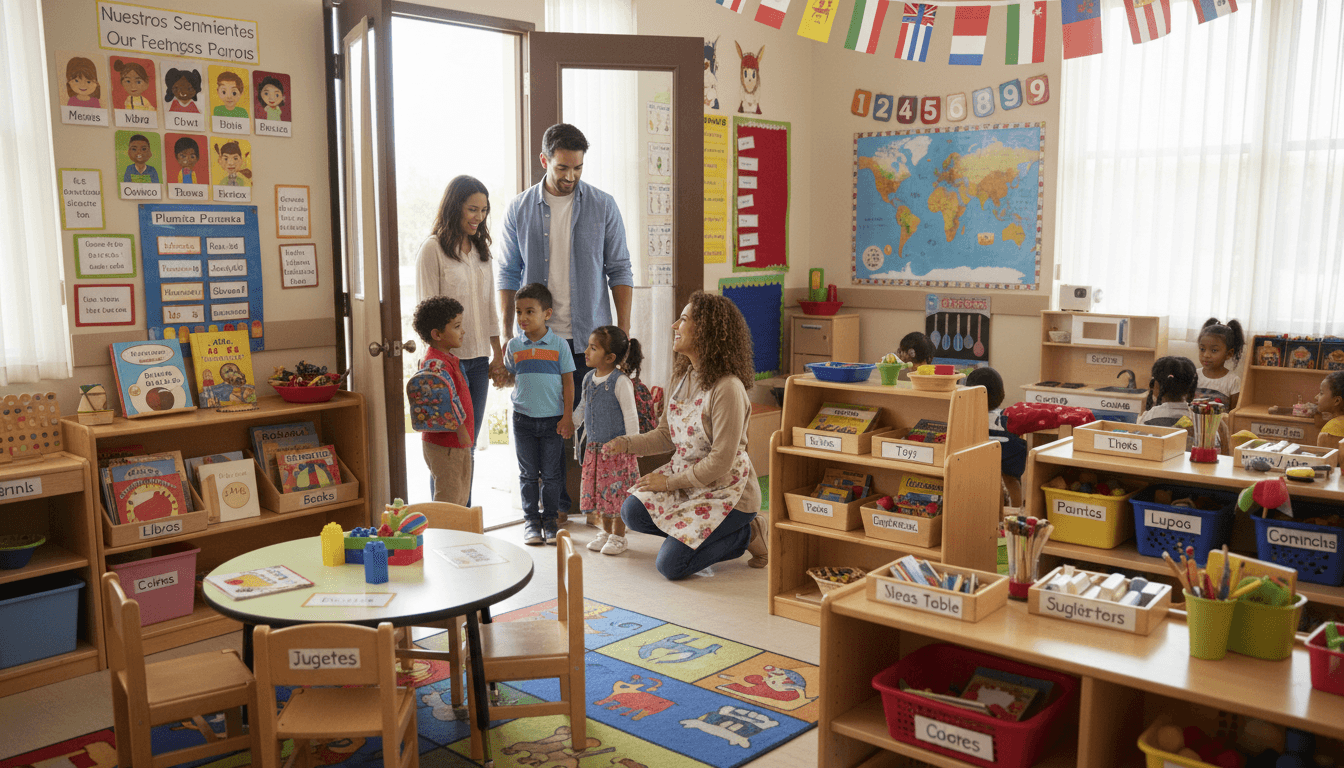
Preschool Potty Training Communication Newsletter: What to Tell Families
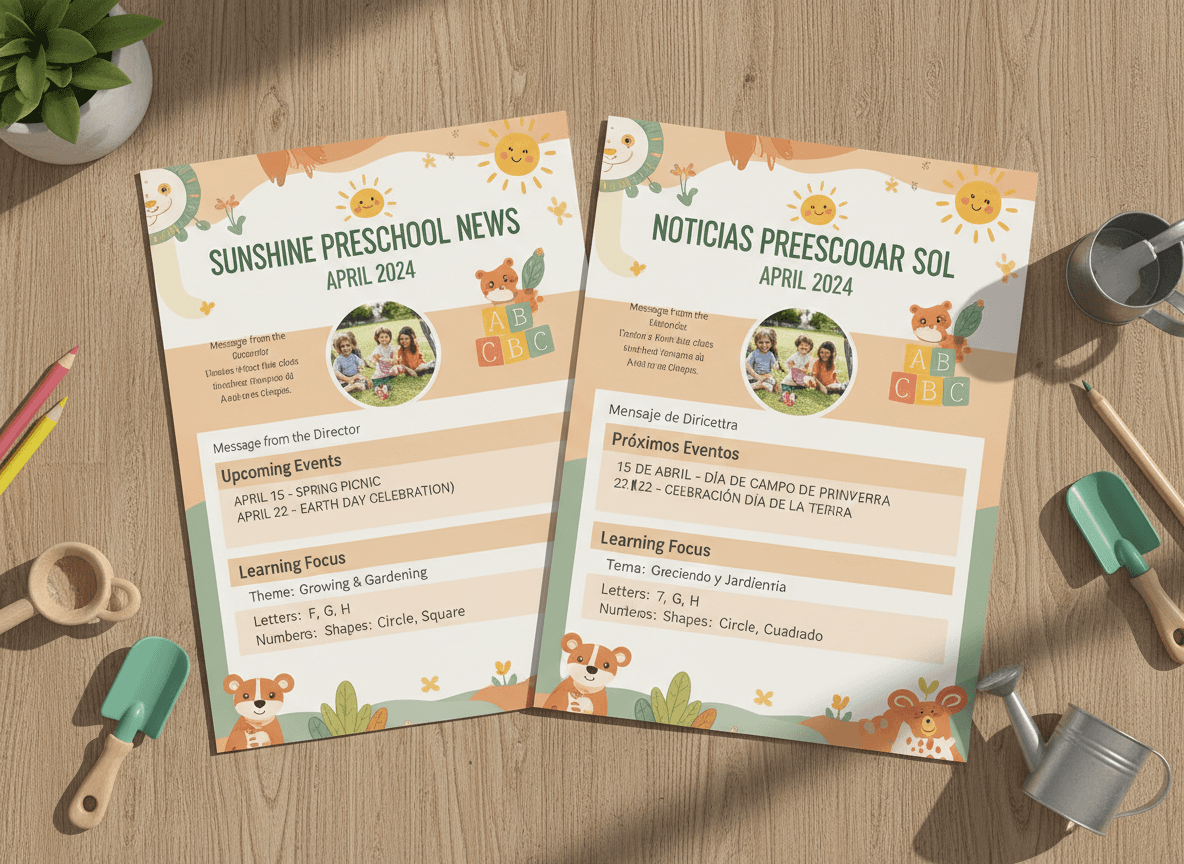
Potty training is one of the most sensitive topics in early childhood family communication. It touches on child development, family anxiety, enrollment requirements, and daily logistics all at once. A newsletter that addresses it clearly and without judgment saves teachers and families significant friction throughout the year.
Your Program's Requirements and Expectations
Start with clarity about what your program expects. Many families are not sure whether preschool requires full potty training, partial training, or accepts children who are not yet trained at all. State this explicitly:
"Our program requires children to be independently initiating bathroom trips before enrollment. We define this as: the child recognizes the need to use the bathroom, communicates it, and can manage most of the process independently with minimal adult assistance."
Or, if your program accepts children still in training: "We work with children who are in the process of potty training. We ask families to send pull-ups or training underwear as appropriate and to share where their child is in the process at drop-off each day."
Whatever your policy, state it without ambiguity. Families who enroll knowing what to expect are easier to work with than families who discover the policy after enrollment.
What to Keep in the Classroom Bag
Every child in a preschool program should have spare clothing available at school. Include a specific packing list:
- Two complete changes of clothing including underwear, pants, shirt, and socks
- A plastic bag for soiled items
- Everything labeled with the child's first and last name
Tell families where the bag is kept, how they will know when spare clothing was used, and how soiled items are returned. These logistics prevent a daily cycle of families not knowing when to replenish what was used.
How Accidents Are Handled
Parents worry about two things when it comes to bathroom accidents at school: that their child will be embarrassed in front of peers and that they will be made to feel bad about it. Your newsletter should address both directly.
Describe your actual process: "When a child has an accident, we take care of it quietly, change them with privacy, and return them to the group without making any announcement. We do not discuss accidents in front of other children. We log it briefly in our daily notes and let families know at pickup if it happened."
Regression: What It Is and Why It Happens
Toileting regression is common when children start preschool, and families who do not know this is normal can interpret it as a significant problem. Your newsletter should name this: "It is normal for children who have been fully potty trained to have more accidents in the first weeks of school. A new environment, new routines, and the concentration required to manage a new social situation can temporarily affect toileting. This almost always resolves on its own within the first month."
Daystage makes it easy to send this kind of reassuring, specific newsletter before the school year begins so families arrive at drop-off with a realistic picture of what the first weeks may look like.
Get one newsletter idea every week.
Free. For teachers. No spam.
Frequently asked questions
What should a preschool potty training communication newsletter include?
Cover your program's toileting expectations, what families should send in terms of spare clothing, how accidents are handled, and how teachers and families can coordinate on children who are in the middle of potty training. Also address regression, which is common when children start school and families often misinterpret as a setback.
What are the typical potty training requirements for preschool enrollment?
Requirements vary significantly. Many preschool programs require children to be mostly independent with toileting before enrollment, while others accept children who are in the process of training. Your newsletter should state your specific requirement clearly, including what you mean by 'independent' and what support staff can and cannot provide.
How should preschool teachers handle potty training accidents without embarrassing children?
Describe your process clearly for families: accidents are handled matter-of-factly, with a calm change of clothes, no commentary, and no drawing other children's attention to the situation. Families are reassured when they know their child will not be embarrassed in front of peers, and children who know an accident will not be a big deal have fewer of them.
What should preschool families send for toileting backup?
Tell families exactly what to include in the spare clothing bag: underwear or pull-ups depending on your policy, pants or shorts, socks, and any other items commonly needed. Label everything with the child's name. State whether the bag should stay in the cubby or the classroom and how you return soiled items.
How can Daystage help preschool programs communicate about potty training?
Daystage works well for this kind of policy newsletter, which needs to be specific, reassuring, and easy for families to reference when a question comes up mid-year.

Adi Ackerman
Author
Adi Ackerman is a former classroom teacher and curriculum writer with 8 years in K-8 schools. She writes about school communication, parent engagement, and what actually works in real classrooms.
More for Pre-K
Ready to send your first newsletter?
3 newsletters free. No credit card. First one ready in under 5 minutes.
Get started free