
Preschool Allergies and Health Communication: What to Include in Your Newsletter
Health and allergy communication is one of the highest-stakes areas of early childhood parent communication. Done well, it protects children and builds trust. Done poorly, it creates panic, invites pushback, or accidentally discloses private medical information about a specific child.
The newsletter is the right tool for routine health communication: setting expectations, reminding families of policies, and preparing for seasonal illness. It is not the right tool for emergencies or for anything that requires a response within hours. Knowing the difference is most of the work.
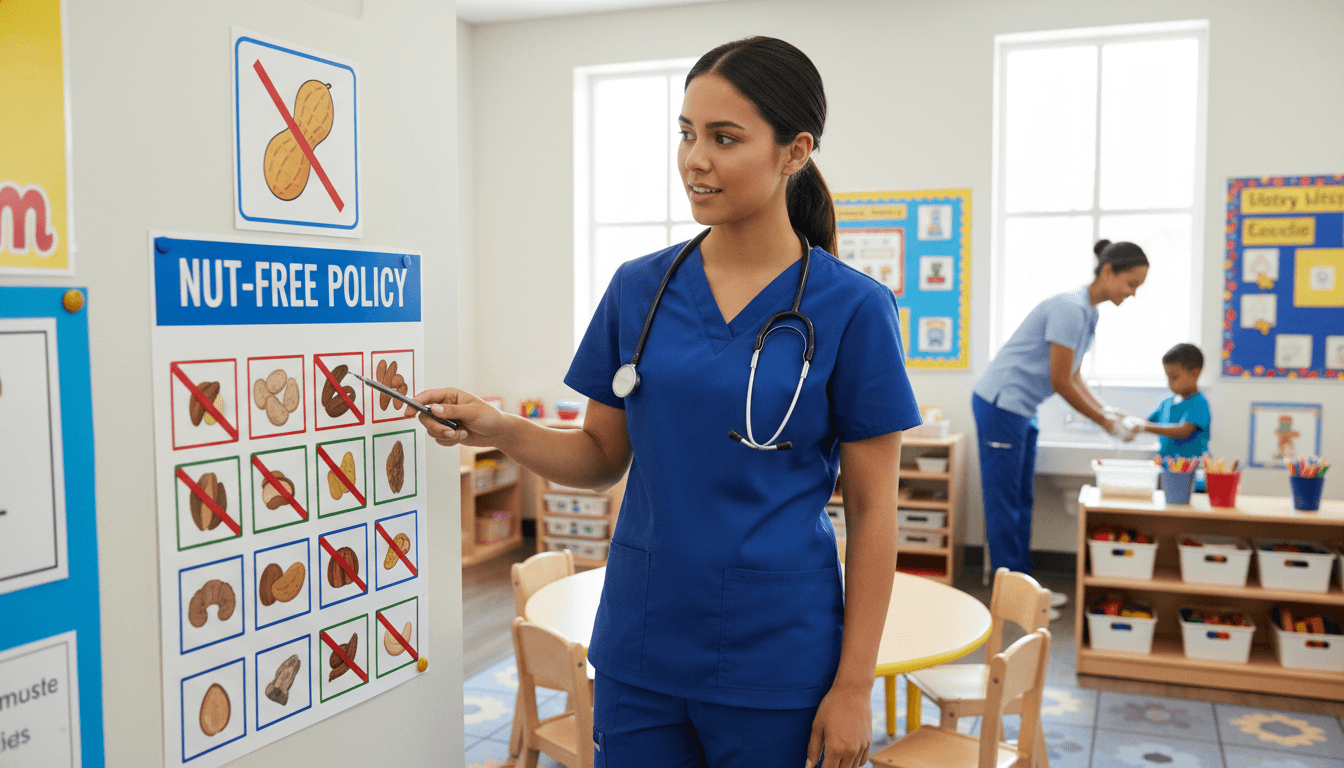
Allergy Awareness Without Naming Children
When a child in your class has a life-threatening allergy, other families often need to know in order to comply with policies about what foods they send in. But the child's name and medical details are protected. You can communicate the requirement without disclosing the child.
Effective phrasing: "We have a child in our classroom with a severe tree nut allergy. Please do not send tree nuts or tree nut products to school in any form, including snacks, birthday treats, and lunch items. This is a safety policy, not a preference."
This tells families exactly what they need to do without identifying which child has the allergy. For birthdays and class celebrations, follow up with a specific approved snack list so parents are not left guessing.
Building the Sick Day Policy Into Your First Newsletter
The September newsletter is the right place to set sick day expectations. Not as a list of rules, but as a care statement. Frame it as: here is how we protect all the children in the classroom, including yours.
Cover these points:
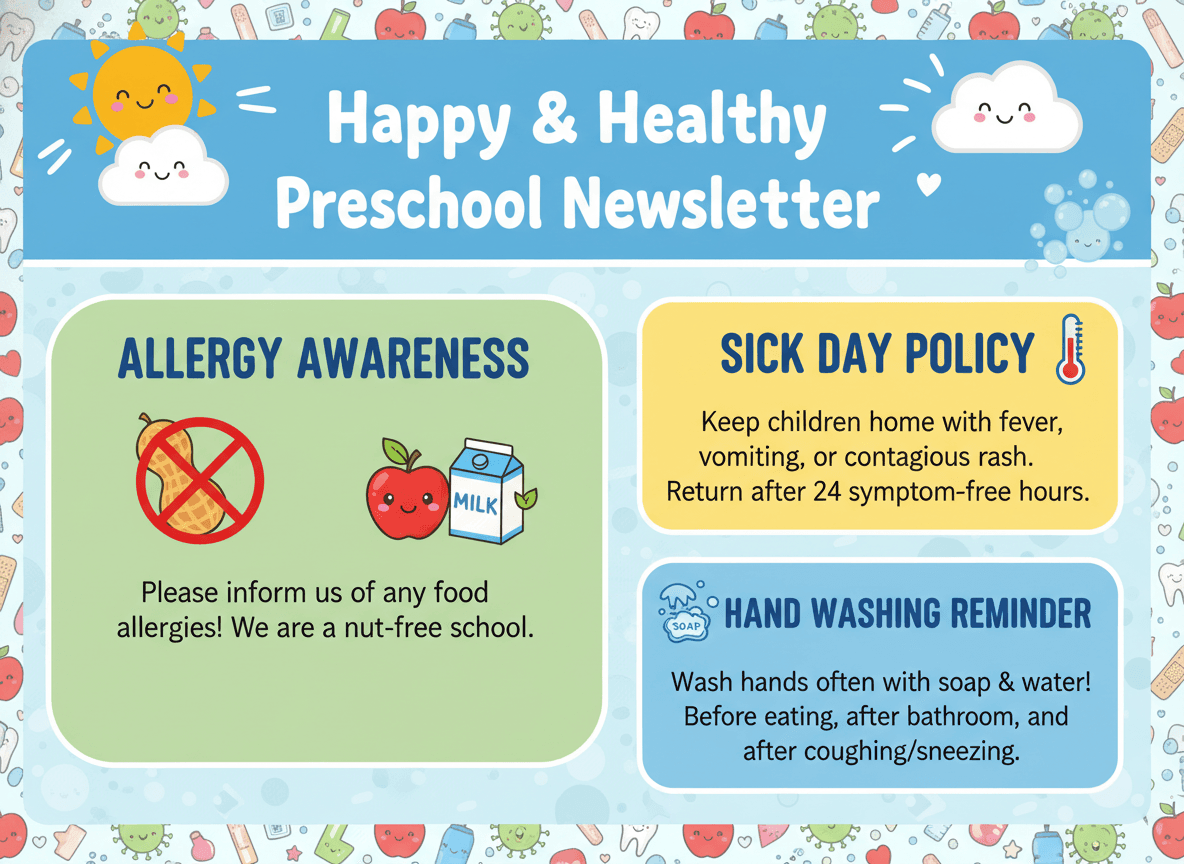
- Fever threshold. Most programs use 100.4 degrees Fahrenheit as the threshold for exclusion. State your number clearly.
- Fever-free period before return. Typically 24 hours without fever and without fever-reducing medication. Say this explicitly. Parents often interpret "fever-free" to include medicated periods.
- Vomiting and diarrhea rules. Children who had a vomiting or diarrhea episode the night before should not return the next morning, even if they feel fine.
- Conjunctivitis policy. Pink eye with discharge usually requires a doctor's clearance or 24 hours of treatment. Be specific.
- How to notify the classroom. Should parents call? Text? Use the app? Name one clear channel.
Setting this in September means that when a child comes in sick in February, you are enforcing a policy the family already read, not delivering news.
Seasonal Illness Prevention in the Newsletter
Before flu season starts, before the winter stomach bug cycle, before RSV season for infant rooms, a newsletter that addresses prevention practically does more than any single announcement during an outbreak.
Practical prevention content that works:
- "We have added an extra handwashing step after outside time and before snack. You can reinforce this at home by making handwashing part of your after-daycare routine before children touch their own faces, food, or siblings."
- "Flu season is approaching. We recommend that children who are not yet vaccinated speak with their pediatrician about timing. We are not in a position to require vaccination, but we do want families to have the information."
- "We clean high-contact surfaces twice daily during illness season. You will notice us being more deliberate about wiping down door handles, light switches, and shared toys."
This content positions the program as proactive and it gives parents something concrete they can do at home. Both of those outcomes matter.
How to Communicate During an Active Illness Situation
When multiple children in your class have been absent with the same illness, or when a confirmed case of something reportable (like hand foot and mouth, or strep) has been identified, parents need to know. This is not a regular newsletter situation. It is a targeted message sent the same day.
What the outbreak message needs to include:
- What illness or symptom pattern you are seeing
- What symptoms parents should watch for
- Your exclusion criteria for this illness specifically
- What you are doing in the classroom to limit spread
- Whether to contact a pediatrician and under what conditions
Keep the tone factual, not alarming. "We have had three absences this week with similar symptoms" is informative. "We are seeing a concerning outbreak" is not.
Newsletter vs. Emergency Communication: Knowing the Difference
A newsletter is appropriate for: setting policies, seasonal reminders, illness prevention tips, and general allergy awareness. A direct phone call or same-day message is appropriate for: a confirmed reportable illness, a child who had an allergic reaction at school, or anything requiring an immediate parent decision.
Tools like Daystage let you send a fast, direct message to your whole family list outside of the regular newsletter schedule. Having that channel set up before you need it is important. When a health situation unfolds quickly, the last thing you want to be doing is figuring out how to reach families.
Food Allergy Policies for Classroom Celebrations
Birthday treats, holiday parties, and classroom celebrations are where allergy policies break down. Parents who would never send a peanut butter sandwich will bring in a store-bought cake without checking the label. A newsletter section in September dedicated to celebration food policies prevents most of these situations.
State clearly: whether outside food is permitted at all, what the approval process is, whether there is a pre-approved snack list, and where to find the list. Update this in your newsletter before any major holiday season so the reminder is fresh when the celebrations start.
Get one newsletter idea every week.
Free. For teachers. No spam.
Frequently asked questions
When should preschool teachers communicate about allergies and health policies in newsletters?
Cover health policies in the back-to-school newsletter before the year starts and again at the start of cold and flu season, typically October. One-time enrollment communication is not enough because new families join mid-year, and even returning families benefit from a reminder before illness season begins.
What should a preschool allergy and health communication newsletter include?
Include the classroom allergy policy, what foods or materials are restricted and why, the sick day policy with specific return-to-school criteria, handwashing and hygiene routines the class follows, and who to contact if a family needs to share new health information. Do not name any individual child with an allergy or medical condition in the group newsletter.
How should preschool teachers communicate illness outbreaks without causing panic?
Notify families promptly when a communicable illness appears in the classroom using factual language: what the illness is, what symptoms to watch for, and what your center's exclusion policy requires. Avoid language that speculates about which child brought the illness or implies fault. A calm, informational tone reduces panic more reliably than reassurances that everything is fine.
What are common mistakes in preschool health and allergy communication?
The most common mistake is waiting too long to notify families about an illness in the classroom, which erodes trust when parents hear about it from other parents first. A second mistake is including so much detail in the allergy policy that it inadvertently identifies which child has a specific allergy, which is a privacy violation and can create social problems for that family.
Is there a tool that makes health communication easier for preschool teachers?
Daystage is built for early childhood teachers and supports quick, professional health updates as part of regular parent communication, so you are not building every illness or allergy notice from scratch.

Adi Ackerman
Author
Adi Ackerman is a former classroom teacher and curriculum writer with 8 years in K-8 schools. She writes about school communication, parent engagement, and what actually works in real classrooms.
More for Pre-K
Ready to send your first newsletter?
3 newsletters free. No credit card. First one ready in under 5 minutes.
Get started free