
Preschool Family Engagement Newsletter: Building Real Involvement
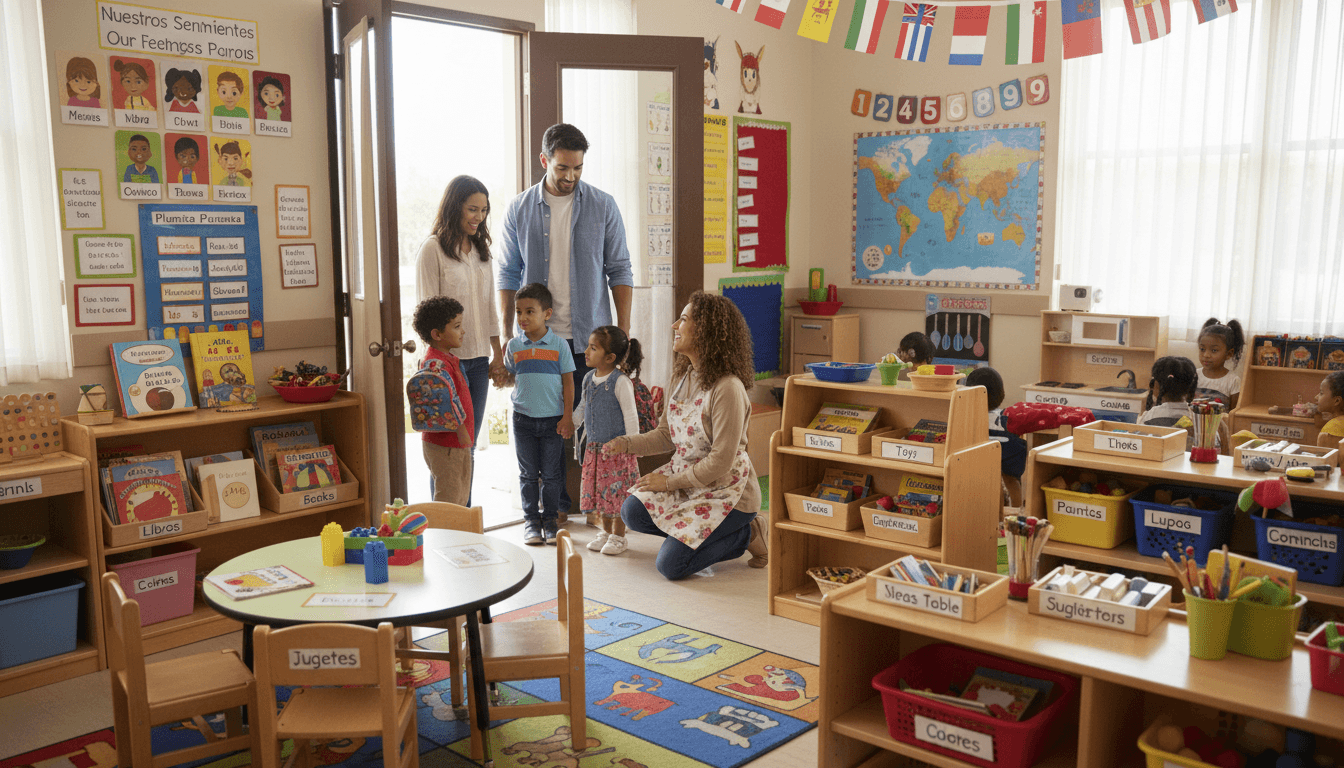
Research on family engagement in early childhood is consistent: when families are genuinely engaged in their child's preschool experience, children develop stronger language skills, better school readiness, and a more positive relationship to learning overall. But family engagement is not the same as family attendance. And too many preschool communication strategies are built around getting families into the building rather than connecting them to the learning itself.
A newsletter strategy designed for engagement looks different from one designed for information delivery.
Define What Engagement Actually Means for Your Program
Before writing engagement-focused newsletters, it helps to be clear about what you are trying to achieve. For most preschool programs, genuine family engagement means:
- Families know what their child is working on and feel connected to that work
- Families have specific things they can do at home to support learning
- Families feel the school knows and respects their particular family circumstances
- Families trust that if something important is happening, they will hear about it through a reliable channel
None of these requires a family to attend a fall curriculum night. A family who reads your newsletter consistently and implements one home activity per week is more engaged than a family who attends every event but has no idea what their child is doing between drop-off and pickup.
The Home Activity as the Core of Engagement
The single most effective element you can add to a preschool newsletter to increase family engagement is a specific, low-effort home activity connected to what children are doing in class. Not a suggestion to read together (too vague), but something like: "This week we started talking about patterns. On the way home, ask your child to find three patterns in your neighborhood: on a fence, on someone's shirt, in the way buildings repeat."
That activity takes five minutes, requires no materials, extends the classroom learning directly, and gives families a specific shared experience to reference with their child. It is also something families can do regardless of income, schedule, or language ability.
Communicating That You Know Their Family
Family engagement is stronger when families feel seen as individuals rather than as a generic audience. This does not require personalizing every newsletter. It requires writing in a way that acknowledges the full range of families in your classroom: those who work long hours, those who speak languages other than English, those with multiple young children at home, and those who have had difficult experiences with schools in the past.
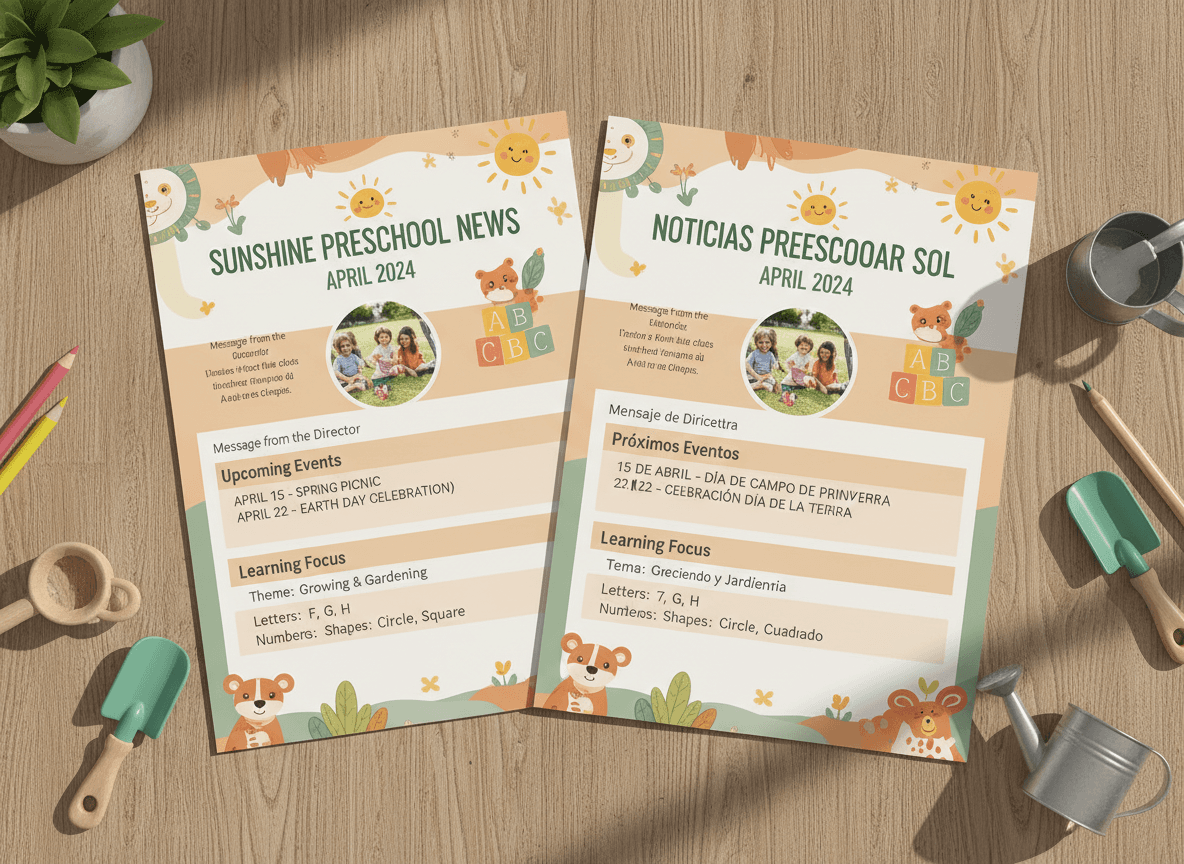
Practical signals of this awareness include: providing translation for major communications, acknowledging that home activities work best in short sessions rather than homework-style sit-downs, framing volunteer opportunities for people with different availability, and never making families feel like they are less engaged because they cannot attend daytime events.
Building Two-Way Communication
A newsletter that only flows from teacher to family is informational. A newsletter that invites a response, a question, or a contribution from families is engaging. Include a question at the end of your newsletter occasionally: "What is your child talking about at home this week that surprised you?" or "Has anyone tried the sorting activity from last week? Let us know what your child sorted."
Families who respond feel more connected than families who only receive. And teacher responses to those messages build the relationship that makes everything else, including difficult conversations, easier.
Consistency as the Foundation
Family engagement built on newsletters requires one thing above all: consistency. A newsletter that arrives reliably, at the same time each week, trains families to look for it and builds the expectation that communication from this classroom is worth reading. Daystage supports the consistency piece by reducing the friction of newsletter creation so that Thursday's newsletter actually gets sent Thursday, not the following Monday.
Get one newsletter idea every week.
Free. For teachers. No spam.
Frequently asked questions
What is the difference between family attendance and family engagement in preschool?
Attendance means families show up to events. Engagement means families understand what their child is learning, feel connected to the program, and actively support learning at home. A newsletter strategy designed for engagement gives families concrete home activities, real insight into classroom life, and regular touchpoints that do not require them to be physically present at school.
How do newsletters build family engagement in preschool programs?
Newsletters build engagement when they are specific about what children are doing, explain why it matters, and give families clear home activities. A family who reads about what their child explored this week and receives one actionable home connection becomes more engaged than a family who receives generic good news about classroom activities.
How should preschool programs engage families who do not come to events?
Send a newsletter that gives them something real to do at home rather than just inviting them to events they cannot attend. Working families and families with competing caregiving responsibilities often cannot be physically present at school but are deeply engaged in their child's development when teachers give them the tools to participate from home.
What makes a family engagement newsletter different from a regular classroom update?
An engagement-focused newsletter explicitly invites family participation and gives specific, easy-to-do home activities rather than just reporting on classroom events. The orientation shifts from informing to involving.
How does Daystage support family engagement goals for preschool programs?
Daystage lets teachers build newsletters that mix classroom updates with home activity suggestions and family invitations, all in one readable format that goes directly to parent inboxes.

Adi Ackerman
Author
Adi Ackerman is a former classroom teacher and curriculum writer with 8 years in K-8 schools. She writes about school communication, parent engagement, and what actually works in real classrooms.
More for Pre-K
Ready to send your first newsletter?
3 newsletters free. No credit card. First one ready in under 5 minutes.
Get started free