
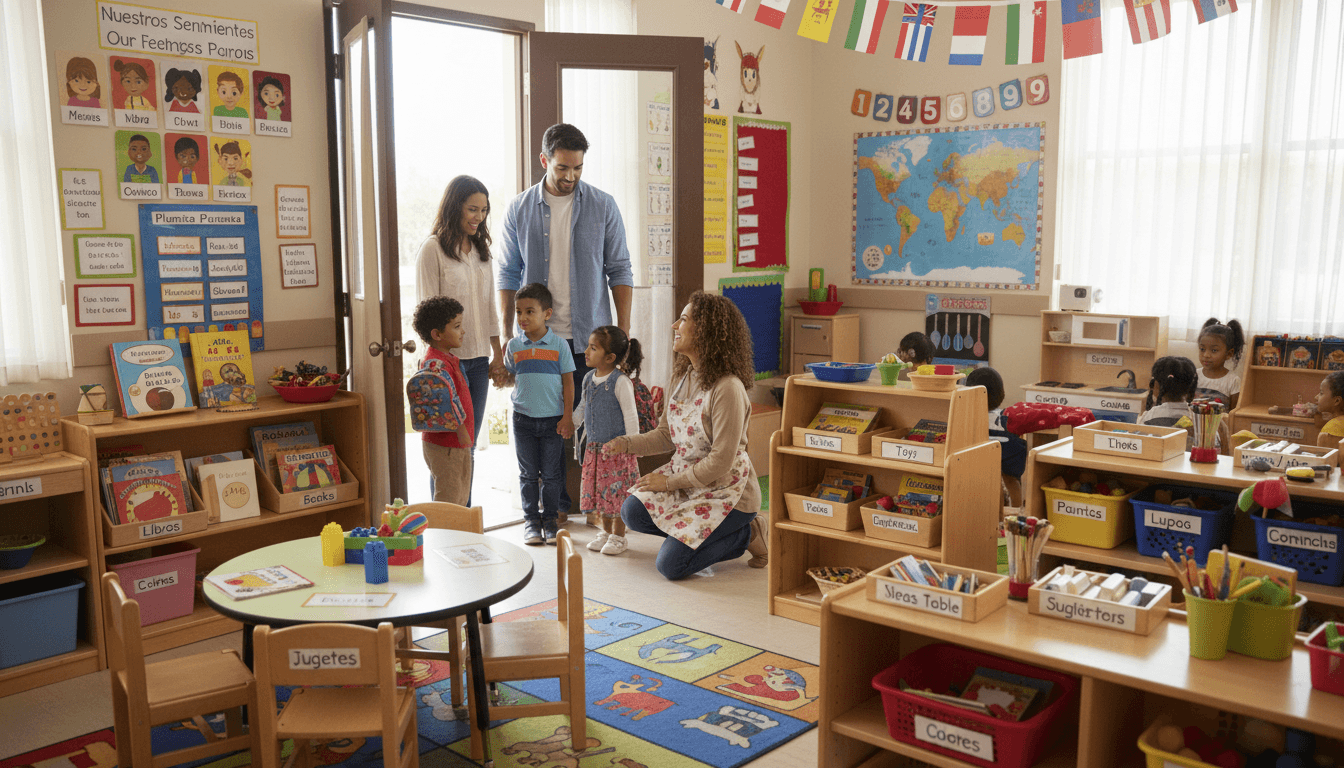
Preschool Parent-Teacher Conference Newsletter: Preparing Families for Productive Meetings
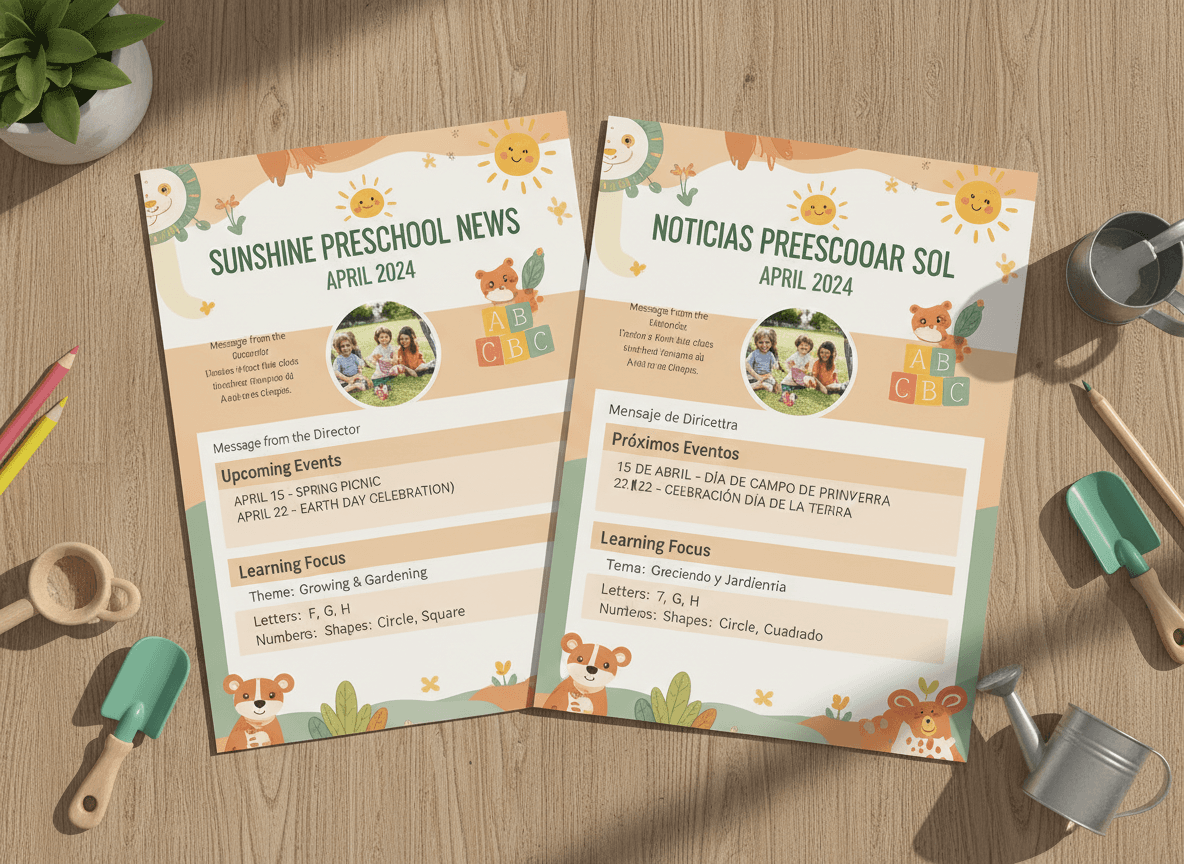
Most preschool conferences are scheduled for twenty minutes. That is not much time to cover a child's development across six domains, address parent questions, and end the meeting with families feeling heard and informed. The newsletter you send before conferences determines whether families arrive ready to use those twenty minutes well or whether the first ten minutes are spent managing anxiety and establishing basic context.
The Pre-Conference Newsletter: What It Needs to Do
A well-written pre-conference newsletter accomplishes three things. It tells families what to expect so they do not arrive anxious about the unknown. It invites them to prepare questions and observations in advance so the conversation is genuinely two-directional. And it frames the conference as collaborative rather than evaluative, which changes how parents show up.
Send this newsletter one week before conferences begin. Do not wait until the week of, when families are already managing logistics.
What to Tell Families About the Conference Format
Describe the structure explicitly. How long is the meeting? Will you show families a portfolio or examples of their child's work? Will you share a formal assessment summary or speak from observational notes? Is there time for parent questions? Will you be making recommendations?
Example language: "Our conferences are twenty minutes. We will spend the first ten minutes sharing what we have observed across social-emotional, literacy, and math development. We will show you a few examples from your child's portfolio. Then we will spend ten minutes on your questions and anything you want to tell us about what you are seeing at home."
That structure, stated in advance, means families can pace themselves rather than spending the whole twenty minutes on the first topic.
Reducing Anxiety About What They Will Hear
Parent anxiety before a preschool conference is almost always fear of bad news. Acknowledge it plainly in your newsletter: "If you are coming in nervous, you are not alone. We find conferences most useful when families know that our goal is not to evaluate your child or deliver a report card, but to share what we have observed and hear what you are seeing at home."
That kind of direct acknowledgment reduces the defensive posture that anxious parents sometimes bring and makes the conversation more productive.
Encouraging Families to Come Prepared
Include three or four questions families might reflect on before the conference. Not as homework, but as an invitation:
- What do you notice most about your child right now at home?
- Is there anything your child has mentioned about school, positive or challenging?
- Is there a skill or area you most want to understand better?
- Has anything changed in your family's life recently that might be relevant?
Families who have reflected on these questions arrive with more specific things to contribute, which makes the conversation genuinely useful rather than one-sided.
After the Conference: A Follow-Up Newsletter
After conference week, send a brief follow-up newsletter to all families: those who attended and those who could not. For attendees, it reinforces what was covered and names one or two things to look for in the coming weeks. For families who missed their conference, it gives the option to schedule a make-up and shares any classroom-wide themes from the conference conversations that were relevant for everyone.
Daystage handles both the pre-conference newsletter and the follow-up in a consistent format, so your conference week communication lands cleanly without requiring families to find information across multiple channels.
Get one newsletter idea every week.
Free. For teachers. No spam.
Frequently asked questions
What should a pre-conference newsletter include?
Cover the conference schedule and how families can sign up for their slot, what to expect during the twenty minutes, what kinds of questions teachers find most useful to address, and what families can bring or think about beforehand. The newsletter that makes conferences most productive is the one that arrives before the conference, not after.
How do you reduce parent anxiety before preschool conferences?
Be direct about what you will cover. Most parent anxiety before a conference is fear of hearing something bad. A newsletter that tells families this is a two-way conversation, covers growth as well as areas for development, and is not a judgment of their parenting significantly reduces that anxiety. You cannot reassure people in general terms. You have to be specific about the structure.
How should preschool teachers handle difficult information at conferences?
Families should not hear a significant concern for the first time at a conference. If a child has an area of concern worth discussing, the parent should have heard about it in some form before the conference through a brief note or a quick conversation at pickup. The conference is then a longer conversation about something already named, not a surprise.
What questions should preschool teachers encourage families to bring to conferences?
Encourage questions about what the child is working toward, what the teacher is observing that families might not see at home, and what families can do specifically to support their child this semester. These questions generate useful conversations. Vague questions like 'How is she doing?' give teachers less to work with.
Does Daystage support conference scheduling and communication?
Daystage lets teachers send pre-conference newsletters and follow-up summaries to families in a consistent format so the conference communication is as organized as the conference itself.

Adi Ackerman
Author
Adi Ackerman is a former classroom teacher and curriculum writer with 8 years in K-8 schools. She writes about school communication, parent engagement, and what actually works in real classrooms.
More for Pre-K
Ready to send your first newsletter?
3 newsletters free. No credit card. First one ready in under 5 minutes.
Get started free