

Preschool Enrollment Newsletter: What to Communicate Before Families Commit
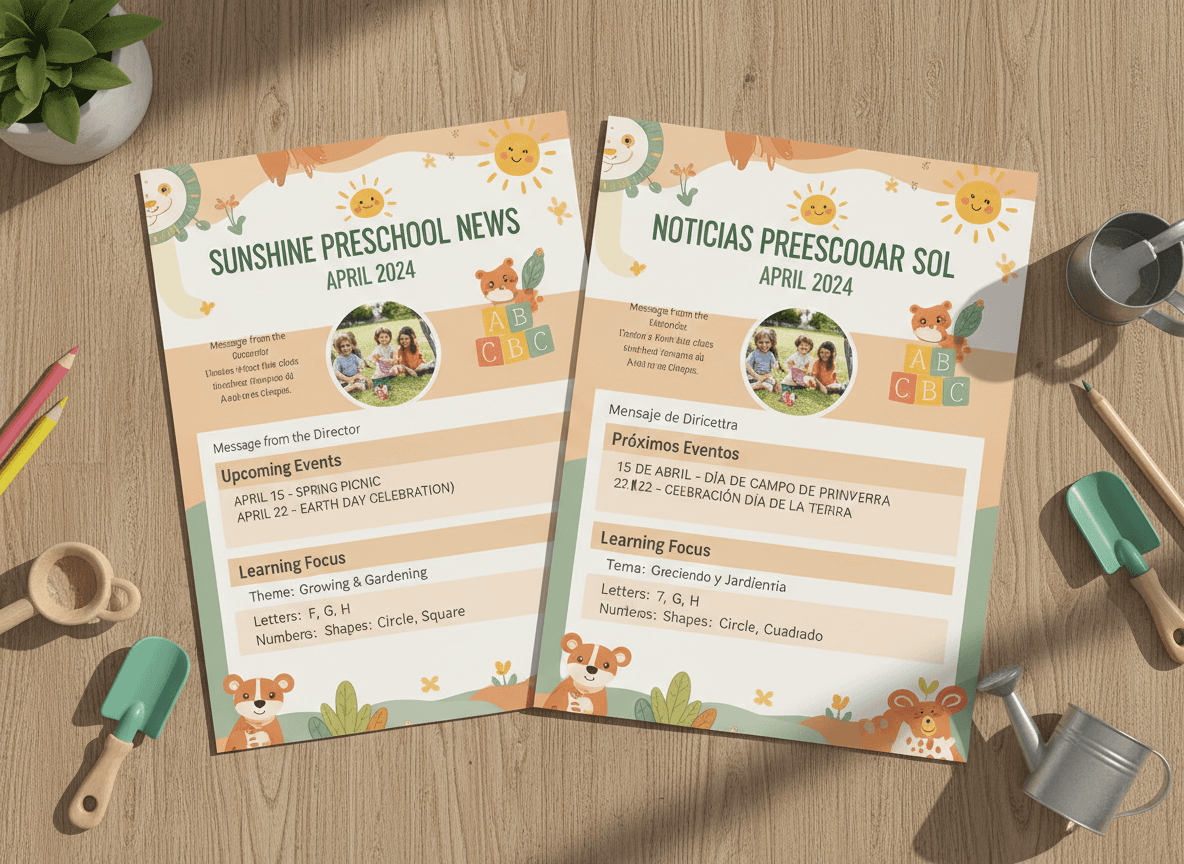
Enrollment newsletters serve a purpose that is different from every other piece of preschool communication. They are not informing current families. They are persuading prospective ones. The families reading your enrollment newsletter are making a decision that involves real money, childcare logistics, and trust, often without having met you yet.
The goal is to answer every question they have before they have to ask it, and to make the next step obvious.
What Families Need to Know Before They Can Decide
Most enrollment newsletters omit at least one piece of information that families need in order to commit. The most common gaps are cost details, schedule options, age eligibility, and what the enrollment process actually involves. Your newsletter should cover:
- Age requirements: The specific age cutoff date and any flexibility around it
- Schedule options: Full day, half day, three days per week, five days , every option available with the hours
- Cost: Monthly or yearly tuition, what is included, what is extra, and any registration fees
- Financial assistance: Whether subsidy programs, scholarships, or sliding-scale options exist, and how to inquire
- Enrollment process: What documents are needed, whether there is a tour, what the timeline is
- Waitlist: Whether one exists, how long it typically is, and what triggers enrollment
Describing Your Program
Families choosing a preschool are also evaluating your philosophy, your approach, and your people. Your enrollment newsletter should include a brief, honest description of how your program works that sounds like something real people wrote, not a marketing brochure.
One paragraph about what a typical day looks like is more compelling than a list of program features. "Our mornings start with free choice in our learning centers, move into a structured group activity, include outdoor time regardless of weather, and end with lunch and rest. Every day includes reading aloud, music, and time for children to build, create, and move" tells a family more than "We offer a holistic, play-based curriculum aligned with early learning standards."
The Enrollment Process: Make It Simple
Enrollment friction causes drop-off. Every step that requires a family to call, wait for a callback, fill out a paper form, or navigate a confusing portal is a step where you lose potential enrollees. Your newsletter should describe the enrollment process in the fewest possible steps and end with a single clear action:
"To enroll, complete our online registration form at [link]. You will receive a confirmation within two business days. If you have questions before registering, email us at [address] or call [number] during office hours."
The Follow-Up Communication
After the initial enrollment newsletter, plan for a follow-up two to three weeks before the deadline. Families who opened the first email but did not act often need a second prompt. Keep the follow-up short: a one-paragraph reminder, the deadline, and the registration link.
Daystage supports both the initial enrollment newsletter and the follow-up, allowing you to build and send enrollment communication in the same tool you use for ongoing classroom newsletters, so families who enroll and then join your communication list receive the same quality of formatted email throughout the year.
Get one newsletter idea every week.
Free. For teachers. No spam.
Frequently asked questions
What should a preschool enrollment newsletter include?
Cover the enrollment window, age requirements, schedule options, cost and any financial assistance available, what the program includes, how enrollment is confirmed, and next steps. The goal is to answer every question a family would need to ask before they can decide whether to enroll, so that the decision can happen based on the newsletter rather than requiring a phone call.
When should preschool programs send open enrollment communication?
Send an enrollment newsletter six to eight weeks before the enrollment window opens. Many preschool families are making decisions about care for the following year well in advance, and programs that communicate early capture families before they commit elsewhere. A follow-up reminder two weeks before the deadline captures the families who saw the first email but have not acted yet.
How do you write a preschool enrollment newsletter that converts interested families to registered ones?
Make the next step clear and easy. Every enrollment newsletter should end with a single, specific action: register at this link, call this number, or email this address by this date. Families who are interested but do not know what to do next often do nothing.
What information do preschool families most need before enrolling?
Cost and schedule are the two factors that drive enrollment decisions most directly. Families also want to know about the philosophy of the program, the staff-to-child ratio, whether there is a waitlist, what is included in the tuition, and whether any financial assistance is available. Address all of these in your enrollment newsletter and you eliminate the questions that would otherwise come through by phone.
Can Daystage help preschool programs send enrollment communication?
Yes. Daystage works for enrollment newsletters, welcome newsletters, and ongoing family communication, so you can use the same tool from the first enrollment touchpoint through the end of the school year.

Adi Ackerman
Author
Adi Ackerman is a former classroom teacher and curriculum writer with 8 years in K-8 schools. She writes about school communication, parent engagement, and what actually works in real classrooms.
More for Pre-K
Ready to send your first newsletter?
3 newsletters free. No credit card. First one ready in under 5 minutes.
Get started free