
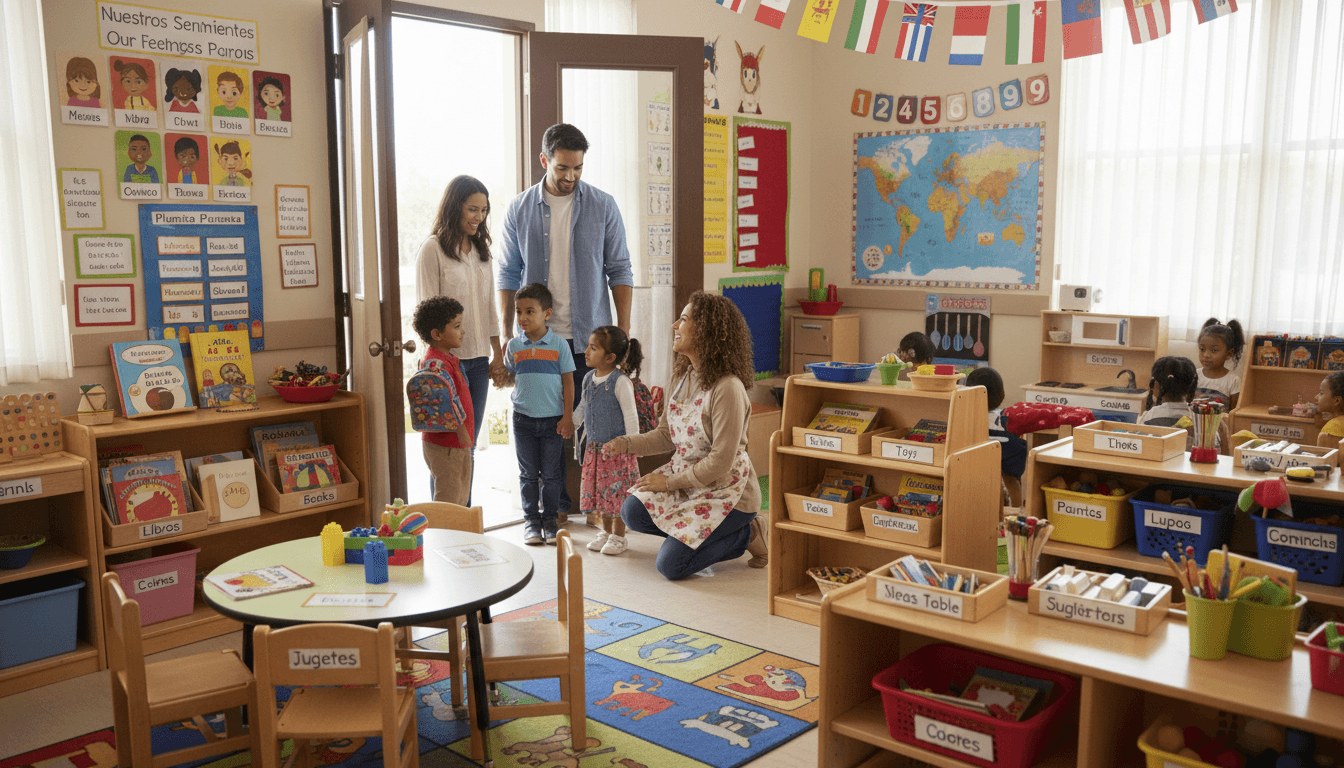
Pre-K End of Year Celebration Newsletter: Closing Out the Year Well
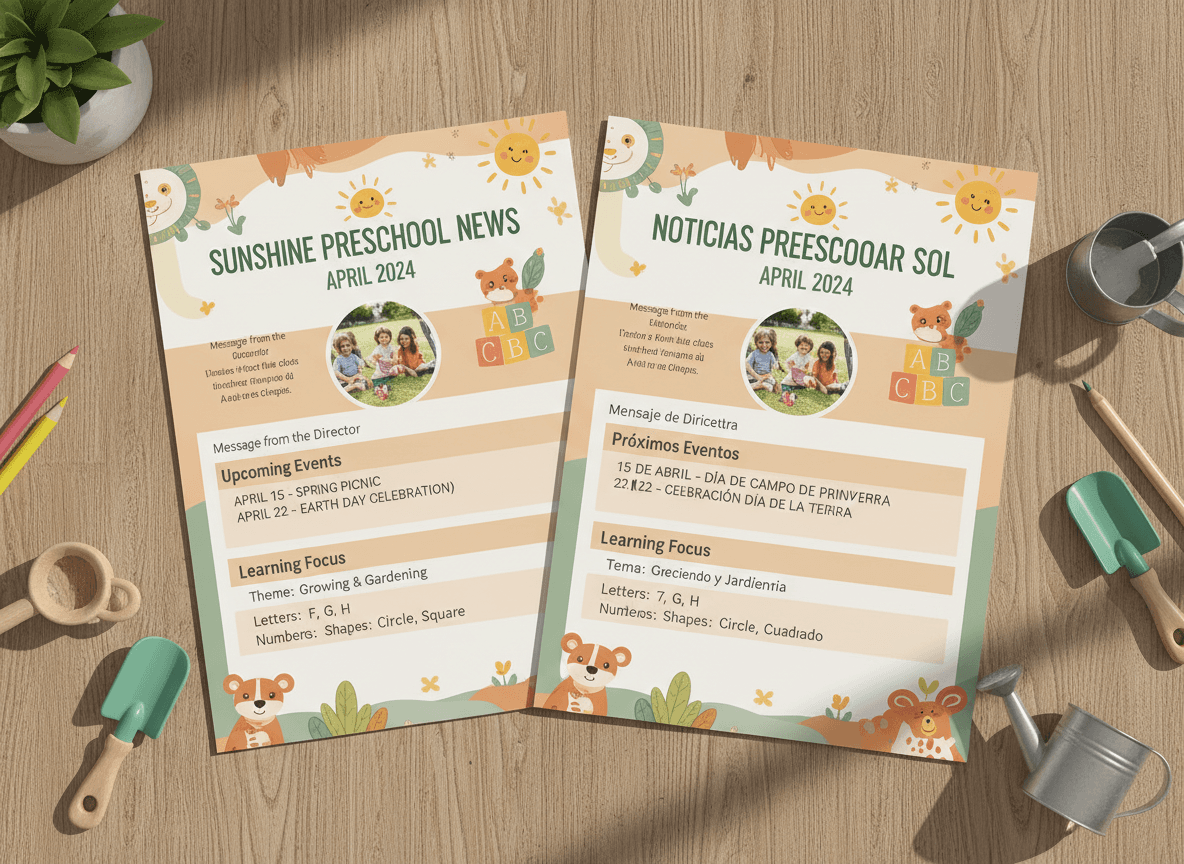
The end-of-year newsletter for a preschool classroom is one of the most meaningful pieces of communication you will send all year, and one of the most commonly reduced to a logistics memo. Families receive information about the last day of school and the cubby cleanout protocol and nothing else.
The newsletters that families save are the ones that say something real about what their child did and who they became over the year. You have that information. The challenge is putting it into writing while managing the end-of-year frenzy.
The Logistics Section: Cover It Once and Cover It Completely
End-of-year logistics deserve their own section, clearly labeled, so families can find the information they need without reading the whole newsletter. Include:
- The last day of school and any schedule changes in the final week
- Details of any moving-up ceremony or end-of-year event: date, time, location, whether families attend, dress code if any
- Instructions for cubby cleanout
- What happens to artwork and portfolios
- How to reach the teacher over the summer if needed
- Any records or documentation families should expect
The Year in Review: Be Specific
The narrative section of your end-of-year newsletter should reflect something real about this specific class in this specific year. Not a generic "what a wonderful journey we have had" but an honest account of what actually changed.
Think about:
- Where children started in September versus where they are now, in one or two concrete skills
- A moment from the year that captures something about this group of children
- Something unexpected that happened that turned into a learning experience
- What you, as the teacher, learned or were surprised by this year
Preparing Families for Kindergarten
For children moving to kindergarten, include a brief, honest preparation section. Tell families what their child is prepared for and what kindergarten will ask of them that is genuinely different from preschool. Common transition points worth naming: longer structured periods, more independent work expectations, larger class sizes, and less adult support for social navigation.
Suggest two or three things families can do over the summer that support the transition: reading together daily, practicing independently putting on and taking off shoes and jackets, and maintaining a relatively consistent sleep schedule.
A Personal Note to Close
End your newsletter with a paragraph in your own voice. Not "It has been an honor to serve your family." Something specific and real. Something that only someone who spent a year with these children could write. This is the paragraph families will read twice, and the one that makes the whole newsletter worth keeping.
Daystage lets you build and send this final newsletter in a format that matches the quality of what you send all year, so the last communication families receive from your classroom is as polished and personal as the first.
Get one newsletter idea every week.
Free. For teachers. No spam.
Frequently asked questions
What should a pre-K end-of-year newsletter include?
Cover any end-of-year events and their logistics, a reflection on what the class accomplished over the year, specific skills children developed, what families need to know about the transition to kindergarten or the next grade, and a genuine close from the teacher. The newsletter that families keep is the one that says something real about what happened this year.
How do you write a meaningful end-of-year reflection for preschool families?
Use specific examples rather than general claims. 'This class started September unable to sit together for more than three minutes and ended June with thirty-minute independent work periods' is more meaningful than 'Your children grew so much this year.' Families want to know what actually happened, not just that it was good.
How should preschool teachers handle families whose children are moving on to kindergarten?
Acknowledge the transition directly and give families concrete information about what their child is prepared for. Also tell them what to expect in the first weeks of kindergarten that might be different from preschool, including longer structured time, more rule-following expectations, and different social dynamics.
What logistics should a pre-K end-of-year newsletter cover?
Cover the last day of school, any moving-up ceremonies, what to do with cubby items, how to reach the teacher over the summer if needed, and what to expect in terms of records or documentation being sent to the next program. Families who know these logistics do not have to ask about them separately.
Can Daystage help teachers send a memorable end-of-year newsletter?
Daystage lets teachers build a formatted end-of-year newsletter with sections for reflection, logistics, and a personal teacher note, sent directly to families as a readable email they can reference and keep.

Adi Ackerman
Author
Adi Ackerman is a former classroom teacher and curriculum writer with 8 years in K-8 schools. She writes about school communication, parent engagement, and what actually works in real classrooms.
More for Pre-K
Preschool Fire Safety Newsletter: Teaching Young Children About Fire Safety at School and Home
Pre-K · 5 min read
Preschool Screen Time Policy Newsletter: Communicating Media Guidelines to Families
Pre-K · 5 min read
Daycare Newsletter Guide: Building Family Trust Through Consistent Communication
Pre-K · 7 min read
Ready to send your first newsletter?
3 newsletters free. No credit card. First one ready in under 5 minutes.
Get started free