
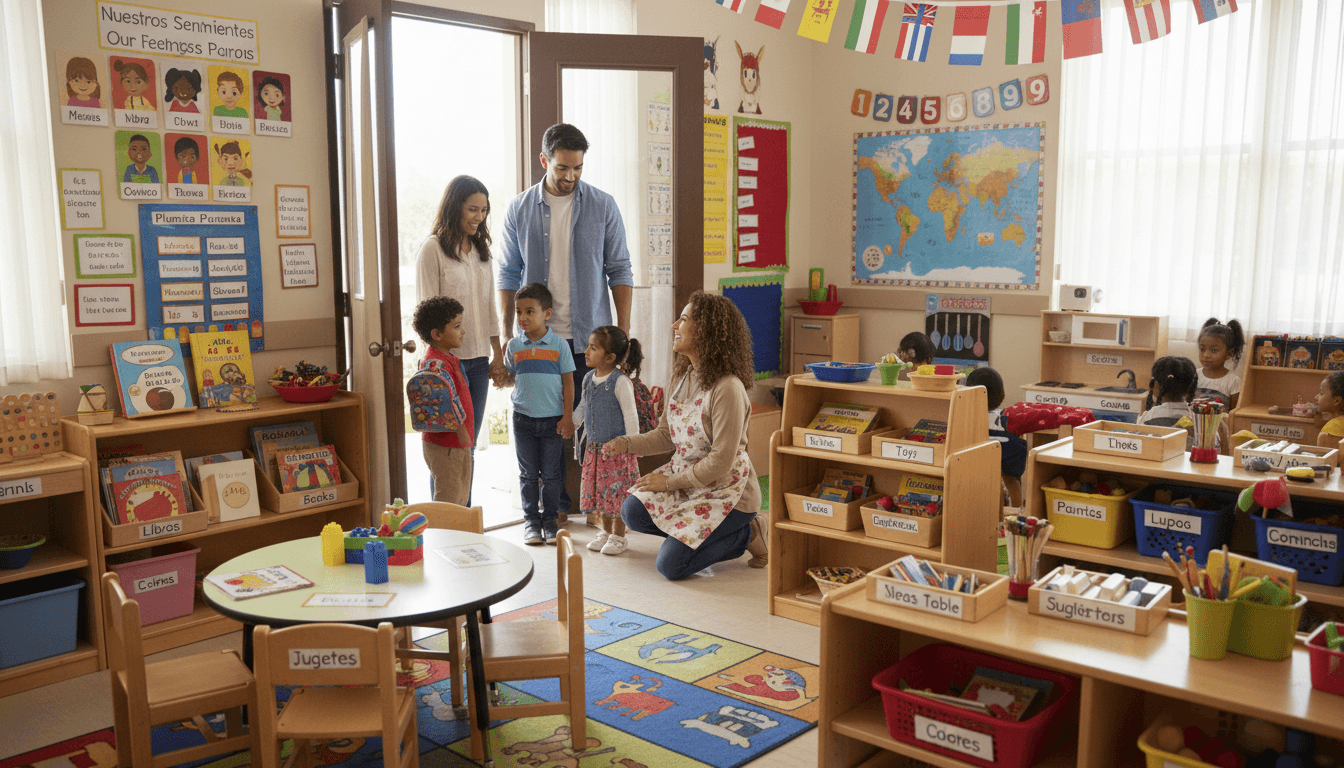
Preschool Community Helper Theme Newsletter: Connecting Learning to Home
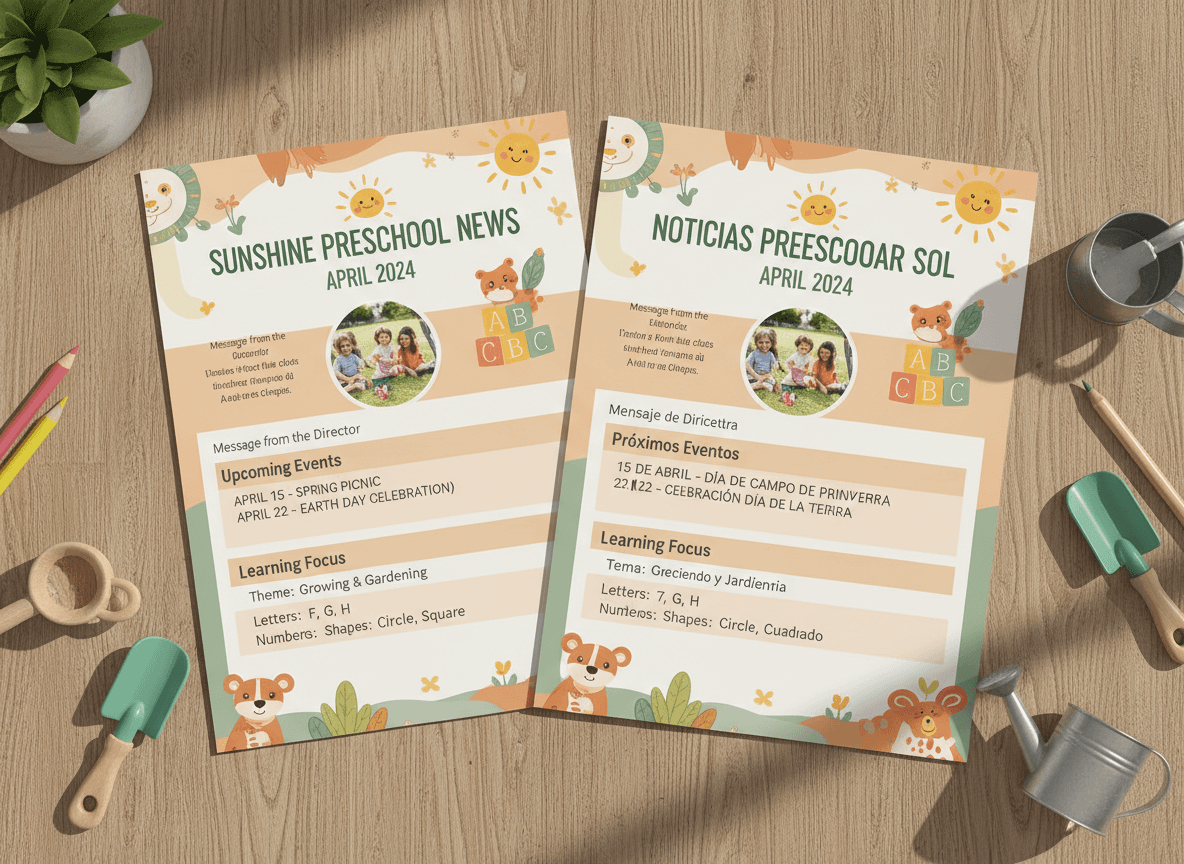
The community helper theme is one of the most universally recognized units in preschool education, and one of the best opportunities for families to participate directly in classroom learning. A newsletter that communicates the unit well turns what might be a two-week classroom project into a richer experience that extends into families' daily conversations and routines.
What the Unit Actually Involves
Your newsletter should describe the unit at a level of specificity that helps families see more than a costume parade. Community helper units typically cover:
- Who community helpers are and what roles they serve
- How different helpers meet different needs in a community
- Tools and equipment associated with specific roles
- What children can do to be community helpers themselves
- Stories and books featuring community helpers from different backgrounds and communities
The connection to social studies standards is real: this unit builds concepts of community, interdependence, and civic responsibility at a level preschoolers can genuinely grasp through play, story, and direct experience.
Inviting Family Guest Speakers
The community helper theme is ideal for family involvement because many families have community roles worth sharing with preschoolers. Your newsletter should include a direct, specific invitation: "If you or someone in your family works as a firefighter, nurse, mail carrier, teacher, chef, librarian, veterinarian, police officer, or in any role that helps the community, we would love to have you visit for fifteen to twenty minutes to share what you do."
Include a sign-up mechanism and a deadline. Tell families what a visit typically involves: speaking briefly about their role, showing any tools or uniforms if available, and answering questions from children. When families know exactly what they are agreeing to, more of them say yes.
Extending the Theme at Home
The home connection section of a community helper newsletter is one of the easiest to write and one of the most useful to include:
- Point out community helpers in your neighborhood: the mail carrier who comes to your door, the sanitation workers, the crossing guard
- Read community helper books together. Names of titles appropriate for preschool age make this action easy for families to take
- Ask your child what they want to be when they grow up and why. The conversation that follows reveals what they are taking in from the unit
- Notice the helpers in your specific community, including people whose roles may not appear in standard community helper units, and name them for your child
Representation in Community Helper Units
A brief note in your newsletter about how you approach representation in this unit is worth including, especially if your classroom is diverse. Standard community helper materials historically focused on a narrow set of roles and depicted helpers from a narrow demographic. If your unit includes books and images that reflect a range of backgrounds and roles, families appreciate knowing this.
Daystage lets you build and send this kind of theme unit newsletter with the structure that helps families engage, and revisit the format when your next unit begins.
Get one newsletter idea every week.
Free. For teachers. No spam.
Frequently asked questions
What should a preschool community helper theme newsletter include?
Cover what the unit involves, which helpers you are focusing on, what activities children will do, what families can contribute (like a guest speaker who has a community role), and how families can extend the theme at home. Also include a book list so families can read community helper books during the unit.
How long do preschool theme units typically run?
Most preschool theme units run one to three weeks. Community helpers is often a one to two week unit, though some programs extend it to three weeks when families are involved as guest speakers. Your newsletter should state the unit dates clearly so families can plan any home activities during the same window.
How should teachers invite community helper guest speakers through the newsletter?
Be specific about what you are asking: a fifteen to twenty minute visit, sharing what the person does in their job in simple terms, and allowing children to ask questions. Include a response mechanism and a deadline so you know how many speakers to expect. Many families are eager to participate when the invitation is specific.
How do community helper units support preschool social studies standards?
Community helper units build understanding of roles in a community, how people help each other, and how work connects to the needs of others. These are core early social studies concepts that connect to civic identity, cooperation, and community awareness at an age-appropriate level.
Can Daystage help teachers send community helper theme newsletters?
Yes. Daystage works well for theme unit newsletters, since you can build the template once and update it with different unit content each time, keeping the structure consistent while varying the content.

Adi Ackerman
Author
Adi Ackerman is a former classroom teacher and curriculum writer with 8 years in K-8 schools. She writes about school communication, parent engagement, and what actually works in real classrooms.
More for Pre-K
Ready to send your first newsletter?
3 newsletters free. No credit card. First one ready in under 5 minutes.
Get started free